Anyone making a quiche or savoury tart on a budget
When planning the filling for a family recipe, compare the drained weight of the tuna and the price per drained weight, rather than just the price of the tin.


For a quiche, savoury tart, cake or puff pastry parcel, choose your tinned tuna according to the drained quantity you need and the texture you want. Flaked tuna mixes evenly into the filling, while chunks remain more noticeable. Tuna in spring water gives you more freedom to season the recipe yourself; if you choose tuna in oil or sauce, take this into account when making the filling. To compare pack sizes, look at the price per drained weight rather than just the price of the tin.
When planning the filling for a family recipe, compare the drained weight of the tuna and the price per drained weight, rather than just the price of the tin.
For a savoury cake or puff pastry parcels, choose between flakes and chunks depending on whether you want the tuna to mix into the filling or stand out. The oil or sauce it comes in also matters when choosing your filling.
Before choosing a pack size, check the ingredients, the fish allergen information, the drained weight and the storage instructions after opening. Any fishing certification applies to the specific product that carries it, not the whole brand.
For savoury baking, start with the amount of tuna your recipe calls for, then choose the texture and preparation — in spring water, oil or sauce — that best suits the filling.
| What to consider | What to check | Who is it for? |
|---|---|---|
| Usable quantity | Compare the net drained weight and the price per drained weight; choose an amount that suits your recipe. | For a family quiche, I want enough tuna without buying a tin when I won’t use the rest. Around 31% of consumers would put this need for the right quantity and price first. |
| Texture | Look for flakes, chunks, whole pieces or fillets, depending on how you want the tuna distributed through the filling. | For a savoury cake, I prefer an even distribution; in a puff pastry parcel, I might want to notice the chunks. Texture would be the top priority for around 31% of consumers. |
| Liquid and seasoning | Read the ingredients and plan to drain the tuna if needed; take any oil or sauce into account in your recipe. | If my quiche filling is already seasoned, I want to decide for myself what to add. For around 25% of consumers, having control over the filling would come before other considerations. |
| Label and storage | Check the fish allergen information, storage instructions after opening and any details specific to the product you choose. | If I’m planning to have leftovers, I want to be able to follow the storage instructions on the tin. Around 13% of consumers would look first at the label and these precautions. |
Saupiquet lists quiche as one use for its tuna. This guide is for savoury recipes of that kind, not for replacing an ingredient in a dessert.
Before you buy, make sure your recipe is a quiche, savoury tart, cake or puff pastry parcel.
Tins of different weights don’t necessarily contain the same amount of tuna once drained.
Compare the price per net drained weight, then check that the quantity is right for your recipe.
Oil, tomato or herbs become part of the filling and can change its flavour and consistency.
Choose these preparations when their seasoning suits the recipe, and adjust the other ingredients accordingly.
Storage instructions after opening vary by product. For the Pouce whole skipjack tuna in spring water featured by Auchan, the instructions say to transfer it to an airtight container rather than leave it in the tin, keep it at +4 °C and use it within 24 hours.
Choose an amount you’ll use, and follow the instructions on the pack you buy.
Any leftovers you can’t use within the stated time may go to waste.
The range includes tuna in spring water, including a ready-drained product worth considering for a savoury filling.
The range includes flakes, chunks and whole tuna, in spring water or other preparations.
A product of whole tuna in spring water lets you compare a multipack with the quantity needed for a family recipe.
Chunks of skipjack tuna in spring water offer another format to compare for a savoury filling.
These products of tuna in spring water give you different formats and ingredients to consider for a savoury recipe.
These products are tuna in spring water or brine, suitable for quiches, savoury tarts, cakes and puff pastry parcels. Compare the pack sizes and, to find out how much tuna you can actually use, check the drained weight shown on each pack.
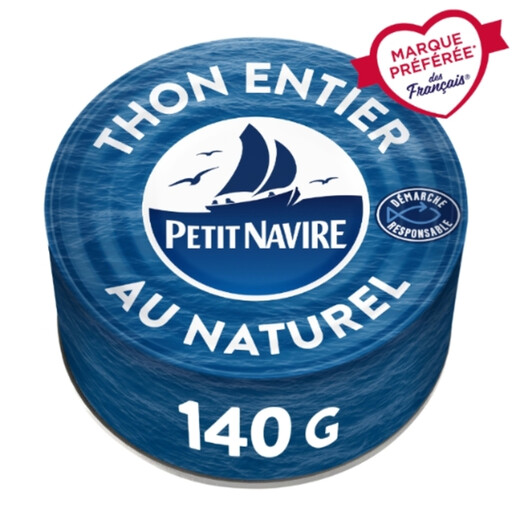 Image unavailable
Worth considering for a savoury filling that you want to season yourself. The stated pack size is 140 g; check the drained weight to work out how much to add.
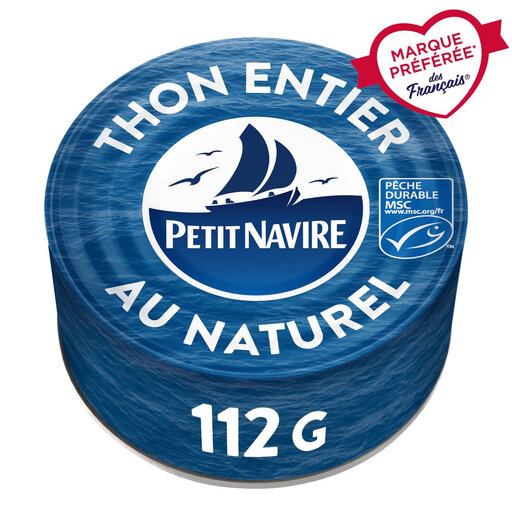 Image unavailable
For a savoury recipe where you want to know the drained weight before buying. The product is listed as weighing 160 g in total, with a net drained weight of 112 g. Compare the drained weight with what your recipe needs.
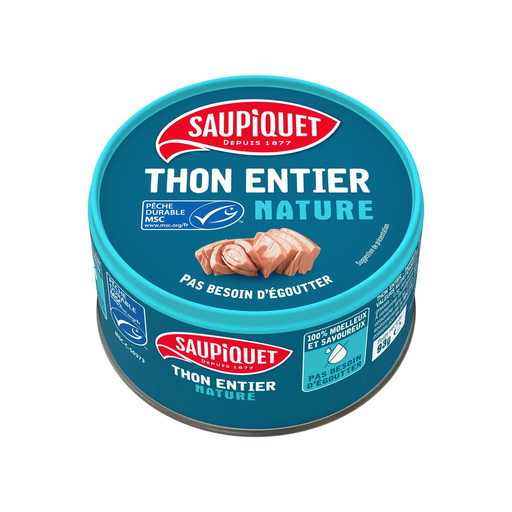 Image unavailable
Worth considering if you want distinct pieces of tuna in a savoury tart or puff pastry parcel. The stated pack size is 93 g; check the drained weight before comparing it with another product.
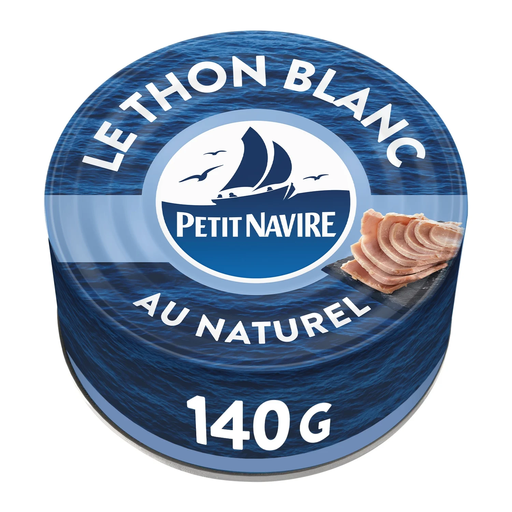 Image unavailable
An option to consider for a savoury recipe using tuna in brine. The stated pack size is 140 g. Check the drained weight to measure out the filling, and check the flesh before adding it, as small bone fragments may remain.
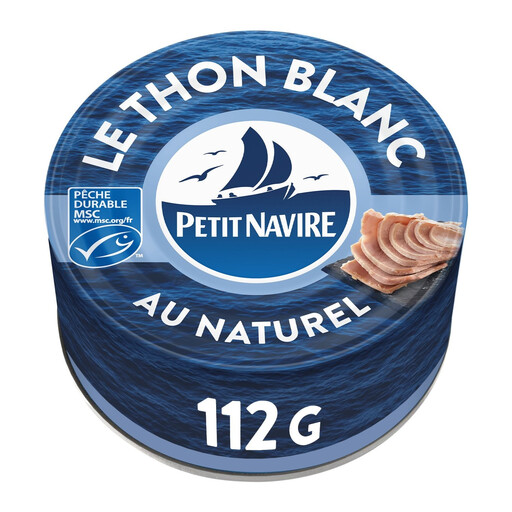 Image unavailable
Worth considering if you’re looking for a pack of white tuna in spring water for a savoury recipe. The stated pack size is 112 g; check the net drained weight before working out how much fish you’ll have.
Yes, for savoury recipes such as quiches, savoury tarts, cakes and puff pastry parcels. Saupiquet lists quiche as one way to use its tuna; this guide isn’t about sweet baking.
Tuna in spring water is a good choice if you want to control the fat and seasoning in your quiche yourself. Tuna in oil can also work in a savoury recipe, as long as you take its oil and any herbs or flavourings into account when making the filling.
The drained weight tells you how much tuna you’ll have for your recipe once the liquid has been removed. To compare two pack sizes, look at the drained weight and price of each, then choose the amount that suits the number of portions you’re making.
Follow the instructions on the pack you’ve bought, as they apply to that specific product. For its Pouce whole skipjack tuna in spring water, Auchan says to transfer it to an airtight container rather than leave it in the tin, keep it at +4 °C and use it within 24 hours.
The size of the tin doesn’t replace the precautions around eating tuna. The French national health insurance service, Assurance Maladie, lists tuna among the wild predatory fish that pregnant or breastfeeding women and children under three should limit. This precaution applies to tuna consumption, whatever the brand.