People putting together their own lunch
For a salad, bowl or sandwich where you choose the seasoning, check the recipe, nutritional values per 100 g and drained weight of the specific product.


To make a lunch with your own choice of seasoning, compare tuna in spring water by its ingredients, nutritional values per 100 g and drained weight. Choose a tuna in oil if that oil is part of the meal you have in mind. In this category, ‘fillets’ means a style of tinned tuna, not fresh raw fish to cook on the day.
For a salad, bowl or sandwich where you choose the seasoning, check the recipe, nutritional values per 100 g and drained weight of the specific product.
If the way the tuna looks on your plate matters, distinguish between whole tuna, tinned fillets and flakes. ‘Tuna fillets’ in a tin are not fresh, raw fillets.
A product that’s already drained can save you a step. Also check how much you need and what to do if you don’t finish the tin.
First decide whether you want to add your own oil or sauce, then compare the drained weight, the style of the tuna pieces and the storage instructions after opening. Check each product’s nutritional values on the same basis, such as per 100 g.
| What to compare | What to check | Who it matters to |
|---|---|---|
| Recipe and nutritional values | Ingredients; protein, fat and salt per 100 g. | If I want to control the seasoning myself, the difference between tuna in spring water and tuna in oil matters to my choice. Around 33% of consumers put this control over the recipe and nutritional values first. |
| Style of the tuna pieces | Whether it is labelled ‘whole’, ‘fillets’ or ‘flakes’; any mention of bones. | For a salad where the tuna stays visible, I prefer to choose the style of the pieces before buying. Texture and appearance are said to be the priority for around 20% of consumers. |
| Preparation and storage | Whether draining is needed; product-specific instructions and storage time after opening. | When lunch needs to be ready quickly, skipping the draining step and knowing what to do with leftovers make a difference. Around 27% of consumers prioritise this convenience. |
| Quantity and labelling | Net and drained weight; ingredients, nutritional values and date shown on the tin. | If I’m making a single portion, I want to know how much usable tuna there is and avoid opening more than I need. This choice of pack size and label information is said to be a priority for around 20% of consumers. |
The tinned tuna fillets from Saupiquet are prepared pieces, ready to add to a meal. They are not a substitute for raw fillet in a recipe that involves cooking fresh fish on the day.
If your recipe calls for fresh fish, look in the fishmonger’s category and check the use-by date, storage conditions and cooking instructions for the product you choose.
Net weight and drained weight don’t tell you the same thing about how much tuna you’ll have on your plate.
To plan your portion, compare the drained weight where it’s shown for the products you’re considering, and allow for any leftovers.
Instructions vary by product. For its Pouce whole skipjack tuna in spring water, Auchan advises transferring leftovers to an airtight container, keeping them at +4 °C and eating them within 24 h.
Check the instructions on your tin before planning several meals around its contents.
Oil is part of the recipe: E.Leclerc’s Pêche Océan tuna in sunflower oil contains 33.9% sunflower oil, according to the ingredients list.
Choose tuna in spring water if you want to add your own seasoning. For tuna in oil, read the ingredients list and nutritional values on the tin you choose.
The range includes products in spring water and ready-drained options. Compare the recipe and pack format separately.
Saupiquet offers tuna fillets in spring water, as well as other styles of tinned tuna.
Carrefour lists a tin of whole tuna in spring water, with a drained weight of 140 g.
E.Leclerc’s range includes yellowfin tuna in spring water with MSC certification, as well as tuna in oil.
Auchan lists a Pouce whole skipjack tuna in spring water.
These tinned tuna options are suited to a lunch you can put together with tuna in spring water or brine. Their names indicate the different formats; check the label for each variety to compare drained weight and storage instructions after opening.
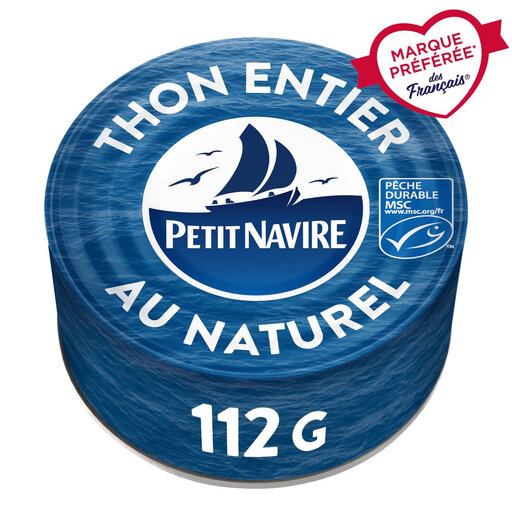 Image unavailable
For making a salad or sandwich with tuna in spring water. The product name distinguishes the total weight of 160 g from the drained weight of 112 g; it also carries the MSC label.
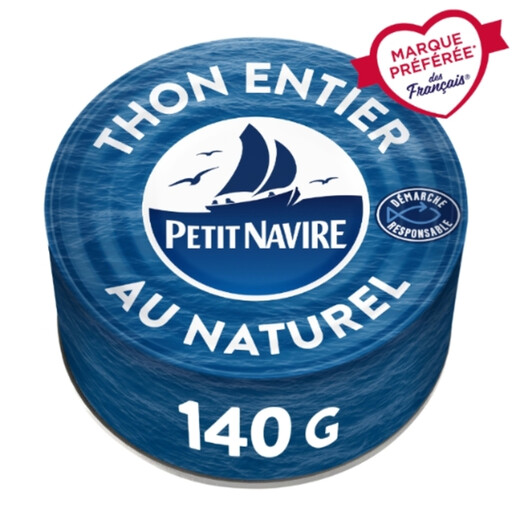 Image unavailable
For preparing a lunch with your choice of seasoning. The stated pack size is 140 g; check the drained weight on the label if you’re comparing portions.
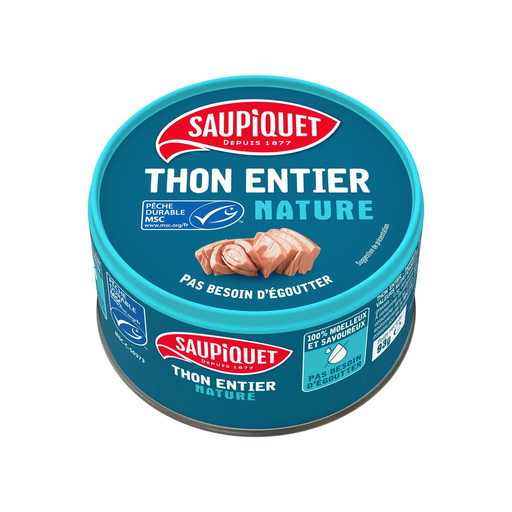 Image unavailable
For a cold meal if you prefer whole pieces of tuna. The stated pack size is 93 g; check the drained weight on the tin before comparing it with other pack sizes.
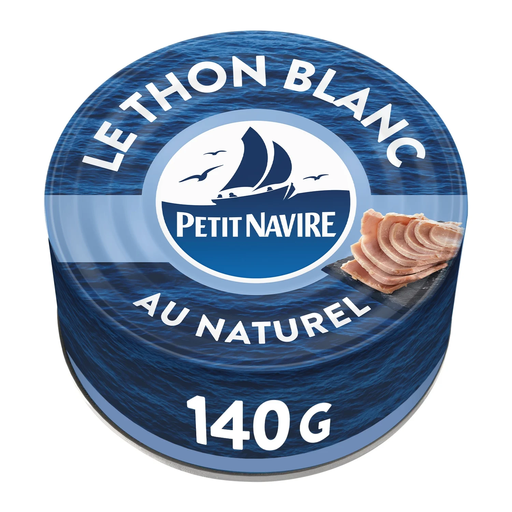 Image unavailable
For putting together a salad or sandwich with white tuna in brine. The stated pack size is 140 g; check the drained weight of this variety to plan your portion.
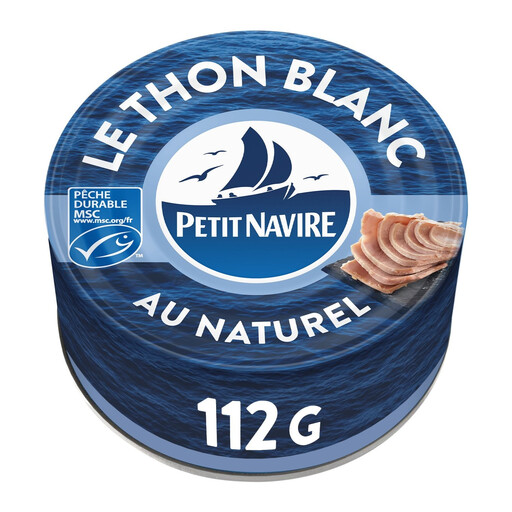 Image unavailable
For a lunch you can season yourself, made with white tuna in spring water. The product name states 112 g and carries the MSC label; check whether the stated weight is net or drained before comparing quantities.
No. Saupiquet’s tinned tuna fillets are packed ready to add straight to a dish. If you’re looking for raw fillet to cook on the day, choose fresh fish and check its storage and cooking instructions.
Compare the recipe, ingredients, nutritional values on the same basis and drained weight. The style of the tuna pieces and instructions after opening also matter if you’re making a salad or planning for leftovers.
Follow the instructions for the product you’ve bought rather than assuming the same storage time applies to every tin. For its Pouce whole skipjack tuna in spring water, Auchan advises transferring leftovers to an airtight container, keeping them at +4 °C and eating them within 24 h.
Do not eat the contents of a metal tin that is bulging or shows other signs of damage. The DGCCRF notes that dents or traces of rust can indicate that the product has deteriorated.