Families putting together a quick dinner
If you’re planning to serve the sweetcorn cold or add it to a hot dish with minimal preparation, check how much you’ll need to drain and what to do if you don’t use the whole tin.


First, choose a tin size based on how much drained sweetcorn you need for dinner and whether you can use any leftovers. A smaller tin means you won’t open more than you need, while a larger one makes sense if you plan to use the whole contents. Then compare the ingredients, nutritional information and claims made for each product. Once opened, follow the storage instructions on the packaging.
If you’re planning to serve the sweetcorn cold or add it to a hot dish with minimal preparation, check how much you’ll need to drain and what to do if you don’t use the whole tin.
Match the drained net weight to the number of people you’re serving and how you plan to use any leftovers. A small tin and a multipack won’t suit the same pattern of use.
If you want to compare salt, ingredients, organic status, origin or a particular claim, read the details for the product you’ve chosen rather than relying on the brand name alone.
When choosing tinned sweetcorn for a family dinner, start with how much you plan to serve. Then check the ingredients and decide what you’ll do with any leftovers once the tin is open.
| What to consider | What to check | Who is it for? |
|---|---|---|
| Serving size | Compare the drained net weight and choose the number of tins to match the portions you’re planning. | If I’m serving just a little sweetcorn, I’d rather open an amount that suits the meal than have leftovers. Around 30% of consumers prioritise getting the portion size right. |
| Quick preparation | Check that the product format and quantity suit the hot or cold dish you’re planning. | When dinner needs to be ready quickly, I look for an ingredient I can drain and add to the meal. Speed is the main priority for around 30% of consumers. |
| Ingredients and claims | Read the ingredients, the “salt” line per 100 g and what the claims on the product mean. | To plan a meal around my household’s preferences, I want to know exactly what’s in the tin. Around 20% of consumers put this comparison first. |
| Stocking up and storage | Check the date, the condition of the tin and the instructions for storing it once opened. | If I’m buying sweetcorn to keep in the cupboard, I want to be able to use the tins I’ve planned for without overlooking their condition or how to handle leftovers. This is the top priority for around 20% of consumers. |
The total weight of a tin includes the liquid it’s packed in, so it doesn’t tell you how much sweetcorn you’ll be serving.
Check the drained net weight on the label before working out portions. The DGCCRF states that this quantity must be shown for products packed in a liquid.
Carrefour explains that the claim on its Classic’ product refers to added sugars, not the sugars naturally present in sweetcorn.
Also check the “of which sugars” line in the nutritional information for the tin you’ve chosen.
The DGCCRF warns that a bulging, rusty or misshapen tin could indicate that the contents have deteriorated. The date alone isn’t enough to rule out this risk.
If you’re unsure about the condition of the tin, don’t eat its contents.
Once the tin is open, the manufacturer’s storage instructions are key to using any leftovers safely.
Check the packaging for the recommended temperature and how long the product can be kept after opening, then plan your portions accordingly.
Bonduelle offers, among other options, plain and organic sweetcorn. The product listings reviewed state a drained net weight of 285 g.
Carrefour offers a 285 g drained sweetcorn product labelled “no added sugars”.
E.Leclerc’s range includes sweetcorn in 140 g and 285 g drained formats, as well as an organic option.
Auchan offers tinned sweetcorn in several formats, including multipacks, as well as an organic option.
ALDI France offers a 285 g tin of organic sweetcorn.
This selection of tinned sweetcorn includes single tins and multipacks, so you can prepare dinner or stock up for the cupboard. To work out portions, check the drained net weight and, for multipacks, the contents of each tin.
 Image unavailable
The two small tins let you open sweetcorn in stages, depending on the meals you have planned.
The stated format is 2 × 140 g. Check the drained net weight of each tin to work out your portions.
Once opened, follow the storage instructions on the product.
 Image unavailable
This tin could suit you if you want to serve the sweetcorn cold or add it to a hot dish.
The stated size is 285 g. Check the drained net weight before planning portions.
The “no pesticide residues” claim applies to this specific product. Check the packaging for its definition.
Image unavailable
This size is worth considering if your meal or a dish you’re making later uses a generous amount of sweetcorn.
The tin is listed as 570 g. Check the drained net weight and plan how you’ll use any leftovers.
If allergens are a consideration for your household, check the information on the packaging.
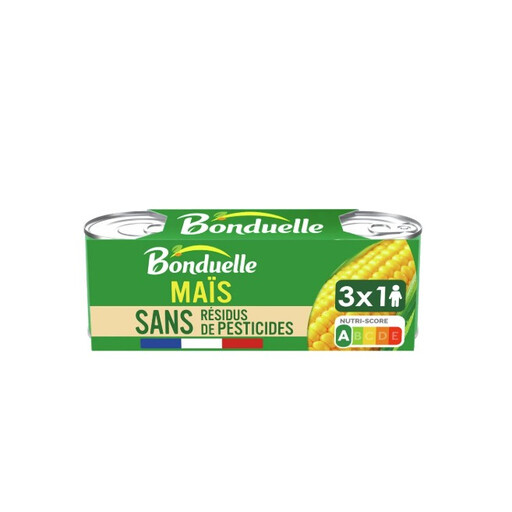 Image unavailable
The stated pack size could suit a household planning to serve sweetcorn over several meals.
Check the number of tins, the amount in each one and their drained net weight before planning portions.
“No Residues” is a product claim. Check what it means for the product you’ve chosen.
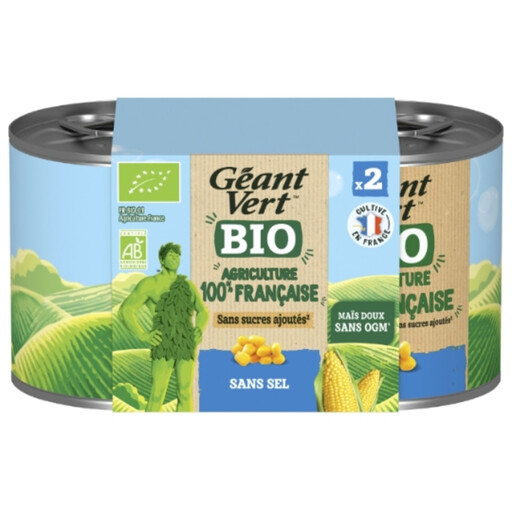 Image unavailable
This tinned sweetcorn could work well in a salad or as a quick side dish.
Before choosing how much you need for dinner, check the pack size and drained net weight on the packaging.
Also check the ingredients list and the “Organic Unsalted” claims: the stated size and salt content don’t match between the product title and description.
Check the drained net weight: this tells you how much sweetcorn is left once the liquid has been drained away. The DGCCRF requires this to be stated for food sold in this type of liquid.
No. Carrefour explains that, for its Classic’ product, this claim doesn’t rule out sugars that occur naturally. Check the “of which sugars” line in the nutritional information on the tin you buy.
Follow the packaging instructions on temperature and how long to keep the product after opening. The Bonduelle products reviewed recommend storing at no more than 4 °C and using within 48 hours. Check the instructions for your own tin.
If you’re unsure, don’t eat the contents. The DGCCRF warns that bulging, rust or deformation could indicate that the product has deteriorated. Check the condition of the tin even if the date on the packaging hasn’t passed.