Solo lunches with minimal leftovers
If you’re making a salad or a bowl for one, check how much each tin contains. A smaller container means you won’t have to plan another meal around an already-open tin.


For a solo lunch at the office, start by choosing an amount you can use without leaving awkward leftovers to store. A larger tin makes sense if you have another meal planned and can refrigerate the sweetcorn after opening. Then compare the drained weight, ingredients and salt content of each product.
If you’re making a salad or a bowl for one, check how much each tin contains. A smaller container means you won’t have to plan another meal around an already-open tin.
Recipes vary: some contain salt, while others are labelled ‘no added salt’. Check the ingredients list and nutritional information for the product you choose rather than relying on the brand name alone.
Keeping a few tins in the cupboard can make it easier to put together an impromptu lunch. When choosing between individual tins, larger sizes and multipacks, compare the amount you’ll actually get once drained with how much you’ll use before and after opening.
Start with how many meals you’re planning and whether you can keep any leftovers chilled. Then compare the ingredients and drained weight, which may differ from the weight given for the full contents.
| What to consider | What to check | Who is it for? |
|---|---|---|
| Portion size and leftovers | Drained weight per container; storage instructions after opening. | For a solo lunch, I’d rather open an amount I can use than have to find somewhere to store the rest. Around 40% of consumers would prioritise portion size and managing leftovers. |
| Salt and ingredients | Ingredients list, the ‘salt’ line in the nutritional information and any ‘no added salt’ claim. | If ingredients matter more than size, I want to be able to tell the difference between a recipe containing salt and one with no added salt. Around 30% of consumers would make this a priority. |
| Amount you can use | Drained weight of each tin and the number of containers in the multipack. | If I’m preparing several lunches, I need to know how much sweetcorn I’ll actually be able to use, without opening more than I need each time. Around 30% of consumers would put this flexibility when stocking up first. |
Once opened, a tin can no longer be stored in the cupboard like a sealed one. The Bonduelle and Auchan products described here need to be refrigerated and used within two days of opening.
Choose a container close to the amount you need, or plan a second meal that fits the tin’s storage instructions.
If you don’t have access to a fridge, you may have to throw away what’s left.
The Bonduelle product labelled ‘no added sugar’ by the brand contains salt. These two claims therefore relate to different aspects of the recipe.
If salt is your priority, look for the relevant claim, then check the ingredients and the ‘salt’ line on the label.
Total weight and drained weight don’t refer to the same amount of sweetcorn. This matters when you’re working out how much a tin will add to your salad.
Compare the drained weight of each product and the number of containers you plan to open for each meal.
These claims describe different things. Bonduelle defines its ‘no pesticide residue’ promise by the substances tested for and an analytical threshold of 0.01 mg/kg; this isn’t an independent comparison with organic products.
Check the exact claim on the product you choose, then consider its size, ingredients and storage instructions separately.
These examples can help you spot differences between products. Always check the ingredients and size of the one you choose.
The brand offers products including sweetcorn that’s ready to drain for salads and quick meals. One product featured by Bonduelle contains sweetcorn, water and salt, with 285 g of drained sweetcorn.
Carrefour’s range includes different sizes of tinned sweetcorn, as well as organic products and a Carrefour Classic' option labelled ‘no added salt’.
The products described by Auchan include a 2 × 140 g Auchan Bio duo and a Pouce sweetcorn tin with a drained weight of 285 g.
These sweetcorn products include small containers, larger sizes for sharing or splitting between meals, and different ingredient claims. For a solo lunch, pay particular attention to the drained weight and what you’ll do with any leftovers.
 Image unavailable
The two containers mean you can open just one for lunch. This product is described as organically produced; its ingredients are sweetcorn, water and salt.
If portion size is a deciding factor, check the drained weight. After opening, the product information says to refrigerate and use within two days.
 Image unavailable
This size may suit you if you plan to use the sweetcorn in more than one meal and have a fridge for the leftovers. The listed ingredients are sweetcorn, water and salt; the product information gives 0.28 g of salt per 100 g.
Check the drained weight to work out how much to serve. Consider the brand’s pesticide residue claim in the context of what it covers for this product, rather than treating it as an independent comparison.
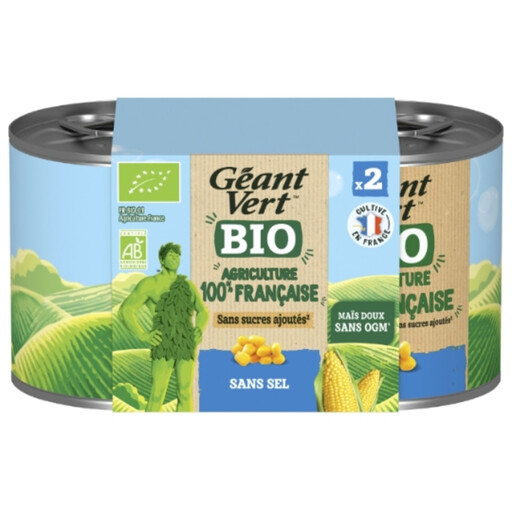 Image unavailable
This sweetcorn is presented as suitable for salads or as a side with a quick meal. Before choosing it for a particular portion, check the size and drained weight on the packaging.
Also check the organic and ‘no added salt’ claims, along with the ingredients list on the item you receive: the title and description for this product give conflicting details on these points and on the size.
 Image unavailable
This 570 g size is worth considering if you plan to use it more than once, rather than for a single salad. Compare its drained weight with the amount you’ll need.
The product description says to transfer any leftovers to an airtight container, refrigerate them and use them within two days of opening.
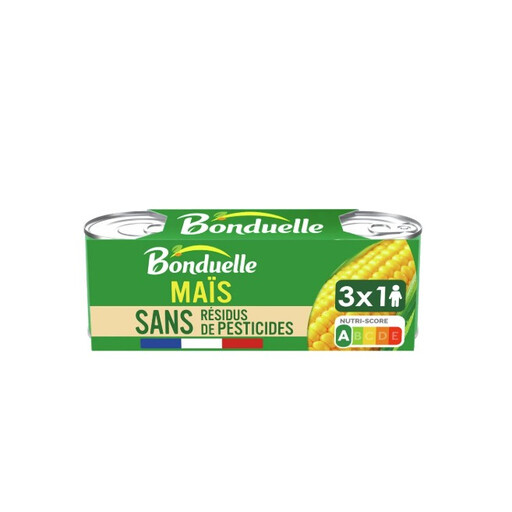 Image unavailable
This tinned sweetcorn can be used to put together a quick lunch. The listed ingredients are sweetcorn, water and salt.
To plan your portions, check the number of tins, the amount in each tin and the drained weight on the packaging. The ‘No Residues’ claim in the title should be checked against the exact product; don’t treat it as an independent test.
No, not for the Bonduelle and Auchan products described here. After opening, transfer the leftovers to a suitable container, refrigerate them and follow the storage time shown on your tin; the products mentioned here should be used within two days.
Choose an amount you’ll use, comparing the drained weight of the containers. A smaller size helps limit leftovers; with a larger tin, you’ll need to plan another use and be able to follow the storage instructions after opening.
No: the Bonduelle product described by the brand as ‘no added sugar’ contains salt. If no added salt is what you’re looking for, check for that exact claim, then read the ingredients and the ‘salt’ line in the nutritional information.
This wording refers to a minimum durability date, or DDM, which is different from a use-by date. The French Directorate-General for Competition Policy, Consumer Affairs and Fraud Control explains that going past the DDM does not, by itself, make a product unsafe to eat; check the condition of the packaging and follow the manufacturer’s instructions.