Shoppers keeping an eye on fat intake
If you regularly buy tinned sweetcorn, the value per 100 g helps you compare recipes without trying to judge their contents from the pack size.


If you’re choosing a multipack of tinned sweetcorn and keeping an eye on fat intake, first compare the values per 100 g on a like-for-like basis, then check the salt and ingredients for the exact product. A multipack of large tins is a good choice if you can finish each tin after opening; smaller tins are easier to match to occasional portions. Bonduelle and Auchan product information lists 1.4 g of fat per 100 g for one Bonduelle product, compared with 2.4 g for one d’aucy product. So the pack size alone won’t tell you which recipe is right for you.
If you regularly buy tinned sweetcorn, the value per 100 g helps you compare recipes without trying to judge their contents from the pack size.
If you don’t always use a large tin in one meal, check the drained weight per tin and the storage instructions after opening before choosing a multipack.
If the recipe also matters to you, distinguish between ‘no added sugars’ and ‘no added salt’, then read the ingredients list for the version you’re buying.
First compare the nutritional information on a like-for-like basis, then choose the drained weight per tin to suit the portions you plan to serve.
| Criteria | What to check | Who is it for? |
|---|---|---|
| Fat | Compare the value per 100 g on a like-for-like basis and check the exact product version. | If I’m keeping an eye on fat, I want to compare two recipes without relying on the tin size alone. Around 36% of shoppers might make this their main priority. |
| Pack size and leftovers | Check the number of tins, the drained net weight of each one and the storage instructions after opening. | When I only serve sweetcorn occasionally, I’m more concerned about finishing a tin than stocking up in bulk. Portion size would come first for around 29% of shoppers. |
| Salt and sugars | Read the ingredients and the salt and sugar values per 100 g; ‘no added sugars’ does not mean ‘no added salt’. | I may want to avoid added salt while still choosing a multipack of sweetcorn. In that case, I need to check the exact recipe, not just the sugar claim. This would be the main priority for around 21% of shoppers. |
| Production claims | Check the chosen product for organic or residue-related claims, but don’t use them as a substitute for checking the nutritional values. | If the production method guides my purchase, I want to identify the claim on the product I’m buying. Around 14% of shoppers might put this first. |
This claim doesn’t mean the sweetcorn contains no sugars; on its own, it also tells you nothing about the fat or salt content.
Compare the nutritional information per 100 g and read the ingredients for the exact product version.
The number of tins in a multipack doesn’t tell you whether you’ll be able to finish each one within the stated time after opening.
Choose the drained weight per tin to suit the meals you have planned, and follow the storage instructions for the product you buy.
An opened tin that can’t be finished in time could lead to food waste.
Organic, GM-free and pesticide-residue-related claims concern different characteristics from nutritional values.
If fat is your main priority, check the value per 100 g separately.
The DGCCRF points out that the condition of a tin also matters when deciding whether its contents are safe to eat.
If in doubt, don’t eat the contents of a swollen, rusty or badly dented tin, even if its best-before date hasn’t passed.
These products provide points of comparison for recipes and pack sizes; the features mentioned don’t apply to every product from each brand.
Bonduelle and Auchan product information lists a ‘no added sugars’ option in a pack of two tins, each with a drained weight of 285 g.
Carrefour lists an organic option with no added salt and no added sugars in a pack of two tins, each with a drained weight of 140 g.
Auchan lists an option in a pack of two tins, each with a drained weight of 285 g, carrying a claim about pesticide residues.
These products include sweetcorn in small tins, tinned products where you’ll need to check the number of tins, and a tin of baby corn. If you’re choosing a multipack for your cupboard, check the pack details on each product page. Baby corn isn’t a substitute for sweetcorn kernels in every recipe.
 Image unavailable
This pack of small tins could suit you if you serve sweetcorn in occasional portions.
Compare the nutritional value on the label with those of other products on a like-for-like basis, and check the ingredients if you want to avoid added salt.
 Image unavailable
Consider this 285 g tin if a tin of this size suits the portions you have planned.
If you’re looking for a multipack, check how many tins are included. The claim in the product name doesn’t tell you how much fat it contains.
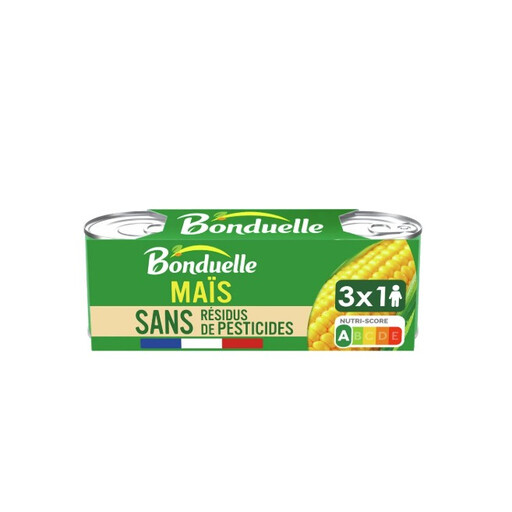 Image unavailable
This option may appeal if you’re looking for several small tins rather than one large one.
Check how many tins are included and the drained net weight of each before treating it as a multipack; then compare the nutritional values on a like-for-like basis.
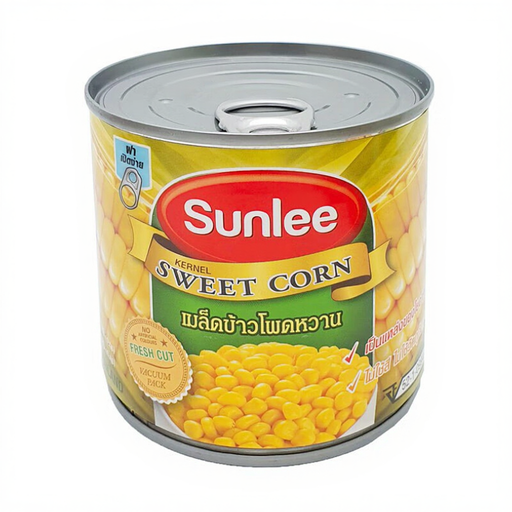 Image unavailable
This tin lets you consider another way to buy sweetcorn kernels.
Check the net weight, drained weight and number of tins before comparing its pack size with a multipack.
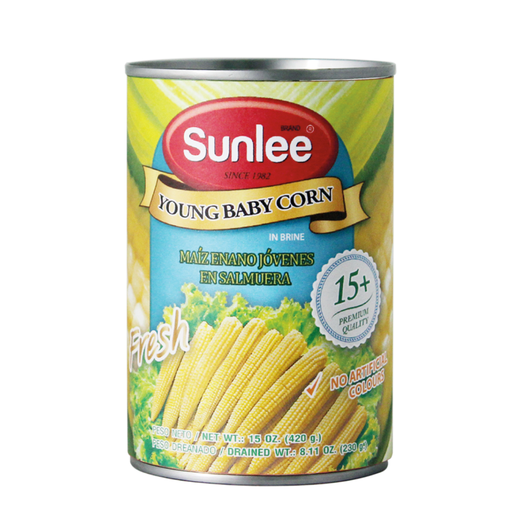 Image unavailable
Choose this tin only if you want to cook with baby corn rather than sweetcorn kernels.
Check the pack details if you’re looking for several tins, and make sure the nutritional values are given on the same basis before comparing them with sweetcorn kernels.
Compare their values per 100 g on the same basis, checking the product version shown on each label. Then look at the drained net weight per tin to choose a size that suits your portions.
No: sweetcorn with no added sugars can still contain naturally occurring sugars. Bonduelle lists 5.1 g of sugars per 100 g for its ‘No Added Sugars Sweetcorn’ product; check the value for the version you’re buying.
Follow the instructions for the tin you’ve bought. For its ‘No Added Sugars Sweetcorn’ product, Bonduelle advises storing it at a maximum of 4 °C and consuming it within 48 hours of opening. Don’t assume these instructions apply to other products.
The DGCCRF says a product may be eaten after its best-before date if the packaging is intact, although some aspects of its taste may deteriorate. If you’re unsure about its condition, don’t use a tin that is swollen, rusty or dented.