People who have lunch without access to a kitchen
If you eat a cold lunch at work, a tin of sardines can be served with bread, salad or crudités, with no cooking needed. Manger Bouger states that tinned sardines can be eaten without cooking.


For a cold lunch at work, choose boneless sardines if you want to avoid removing the backbone; whole sardines are a good option if you don’t mind their texture. Then compare the ingredients, drained weight if listed, and storage instructions after opening: an opened tin won’t keep in the same way as an unopened one.
If you eat a cold lunch at work, a tin of sardines can be served with bread, salad or crudités, with no cooking needed. Manger Bouger states that tinned sardines can be eaten without cooking.
If the backbone bothers you, look for an explicit “boneless” label on the product you choose. Connétable and Auchan offer tins labelled this way; the word “fillets” alone doesn’t confirm that they’re boneless.
If you’re keeping several tins for later, check the best-before date and make sure each pack is in good condition. Once opened, follow the product’s refrigeration and consumption instructions.
For lunch at work, start with what will make your meal easier, then compare the amount of fish, the recipe and the storage instructions.
| What matters | What to check | Who is this for? |
|---|---|---|
| A quick, cold meal | Choose a ready-to-eat tin and check its size and drained weight if this is shown on the packaging. | I don’t have a kitchen at work, so I want to put lunch together without cooking or lots of preparation. Around 33% of consumers prioritise this convenience. |
| Bones and texture | If the backbone is a concern, look for an explicit “boneless” label; don’t assume this from the word “fillets” alone. | I want to eat without having to remove a bone, so I look for a product that clearly meets this need. This comes before other criteria for around 27% of consumers. |
| Ingredients and quantity | Read the ingredients, nutritional information per 100 g and drained weight if listed. | When comparing recipes, I want to distinguish the amount of fish from the covering liquid and check their salt and fat content. Around 20% of consumers prioritise this comparison. |
| Storage | Check the date and make sure the tin is intact, then read the instructions for after opening. | When I keep tins for future lunches, I also need to know what to do with any leftovers once a tin has been opened. Storage is the top priority for around 20% of consumers. |
This label describes how the fish is prepared, not the salt or fat content of the tin.
Use it to choose the texture you prefer, then check the ingredients and nutritional information for the specific product.
A tin may also contain oil or another covering liquid, so net weight and the amount of drained fish don’t tell you the same thing.
When planning your meal, compare net and drained weights if both are listed, taking the recipe into account.
Instructions change after opening. Some Auchan and Connétable products need to be refrigerated and eaten within the time stated on their product information.
Only open a tin at work if you can finish it or quickly store the leftovers as directed on the label.
According to the DGCCRF, going past a best-before date isn’t the same as going past a use-by date: a product may still be safe to eat after its best-before date if the packaging is intact, although its quality may change.
Read the wording on the date label and discard any tin that is damaged, swollen or otherwise unusual.
The range includes whole sardines as well as products explicitly labelled boneless, which are worth considering if texture matters for your cold lunch.
Saupiquet offers several sardine fillet recipes, including plain, olive oil and lemon and basil.
Carrefour Classic' sardines in extra virgin olive oil are worth considering if this recipe suits you.
Auchan offers, among other products, boneless sardines in olive oil.
These tins offer sardines in water, olive oil or tomato sauce, giving you options for a cold lunch. If you want to avoid bones, check each product’s details rather than assuming from the recipe.
 Image unavailable
An option to consider if you want a cold lunch at work without having to remove the backbone.
The tin contains 98 g. If the amount of drained fish matters for your meal, check the packaging. Once opened, follow the product’s refrigeration and consumption instructions.
 Image unavailable
This recipe is suitable for a cold lunch if you’d like sardines in olive oil.
The product name states 140 g; check the net and drained weights separately on the tin to plan your portion. If boneless sardines are important to you, check that this is stated on the packaging too. After opening, follow the product’s storage instructions.
 Image unavailable
The fillet format may suit you if you want to top bread or add something to a salad at work.
The product name states 115/81 g: check the tin to see what each figure means. “Fillets” alone doesn’t confirm that the sardines are boneless. After opening, follow the product’s refrigeration instructions.
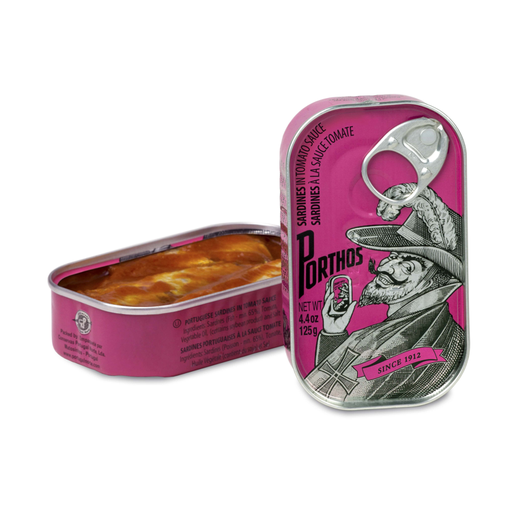 Image unavailable
The tomato recipe is another way to put together a cold lunch with bread or salad.
The product name states 112/81 g: check the packaging to see what each figure means. If you avoid bones, look for an explicit label. After opening, follow the product’s instructions for transferring and refrigerating the sardines.
 Image unavailable
This 135 g tin is worth considering if you prefer sardines in olive oil for lunch.
To compare the amount of fish with another tin, check the drained weight on the packaging. Also check whether the sardines have bones if this matters to you, then follow the instructions for after opening.
Yes, as long as the tin stays intact and you follow the storage instructions on the packaging. Check its best-before date and discard any tin that is damaged or swollen; the instructions change once it has been opened.
Follow the instructions on the tin and quickly refrigerate any leftovers if required. Some Auchan and Connétable product information advises eating the sardines within two days of opening, but this timeframe doesn’t automatically apply to every product.
The “boneless” label tells you how the fish is prepared, not its nutritional profile. To compare two tins, read their ingredients and nutritional information per 100 g, particularly the salt and fat content.
Yes, sardines are among the oily fish listed by Anses. Its general recommendation is to eat two portions of fish a week, including one portion of oily fish, and to vary the species and sources. This doesn’t remove the need to choose a tin that suits its label and your meal.