Toast and spreads
If you’re spreading sardines on bread or crackers, fillets or a product labelled boneless can mean less preparation before serving.


For a quick spread or some toast toppings, choose fillets or a product clearly labelled boneless. Whole sardines in oil are a good choice if you want to serve them as they are or use their oil in your recipe. Before deciding how many tins to buy, compare the drained weight and check the ingredients, allergens and storage instructions once opened.
If you’re spreading sardines on bread or crackers, fillets or a product labelled boneless can mean less preparation before serving.
If you’re adding sardines to a tart or topping, decide whether you want to use the oil from the tin in your recipe. Lidl Recipes, for example, uses it in its sardine pissaladière.
A sardine product in water gives you the freedom to choose your own binder, oil and herbs. Saupiquet’s sardine fillets in water contain sardine fillets, water and salt.
Start with what you’re planning to make, then compare the ingredients and the amount of fish you can use. The weight on the front of a tin isn’t always enough to plan a sharing platter or spread.
| What to consider | What to check | Who prioritises this? |
|---|---|---|
| Preparing toast toppings | Look for “fillets” or “boneless”, depending on the texture you want. | If you’re blending a spread or topping toast without removing bones, ease of preparation comes first; around 36% of shoppers prioritise this. |
| Flavour of the dish | Check the ingredients and type of oil if you plan to use the oil from the tin. | If you want the oil from the tin to season a homemade dish, its flavour matters from the moment you buy it; this is the priority for around 29% of shoppers. |
| Seasoning it yourself | Check the ingredients list for sardines in water and the nutritional information for the product you choose. | If you’ve already chosen your sauce or binder, starting with sardines in water gives you more freedom to season them your way; around 21% of shoppers value this control. |
| Amount needed for your recipe | Check the net weight and, for sardines in a covering liquid, the drained weight. | If you want to prepare the right amount without relying on the tin size alone, drained weight is key; around 14% of shoppers use it as their main guide. |
A 115 g tin doesn’t necessarily provide 115 g of sardines for your recipe: Auchan’s 115 g sardines in olive oil have a stated drained weight of 80 g.
Check how much your recipe calls for and compare the drained weights to work out how many tins you’ll need.
Depending on the texture you’re after, whole sardines may take more preparation than fillets or a product labelled boneless.
For a mousse or spread, check how the fish is prepared. Whole sardines can work well when you want to serve them visibly on bread.
Sardines in water, oil or a flavoured sauce won’t necessarily contain the same ingredients. Fish is one of the allergens to bear in mind.
Check the ingredients list and allergen information on the specific tin you plan to serve, especially if any of your guests have allergies.
Storage advice depends on the product. The Saupiquet, Connétable and Auchan product information we checked recommends keeping the sardines in the fridge and eating them within two days of opening.
Check the instructions on each tin and open it as close as possible to when you’ll prepare or serve it.
Worth considering for whole sardines in extra virgin olive oil. Auchan lists the “Pêche du jour” product as a 115 g tin, ready to eat.
Its 100 g sardine fillets in water make a good starting point for a spread or topping that you can season your way.
Auchan’s 115 g product in organic extra virgin olive oil lets you compare the net weight with the drained amount for a homemade dish.
This E.Leclerc own brand offers whole sardines in water, including a 95 g tin.
These tins of sardines suit a range of dishes: fillets for a spread, seasoned recipes for toast and sardines to serve on bread. Choose according to the ingredients you want and the amount your recipe calls for.
 Image unavailable
Fillets to consider for topping toast or making a spread with olive oil.
The stated size is 115 g, including 81 g drained weight. Bear this amount in mind when planning your recipe.
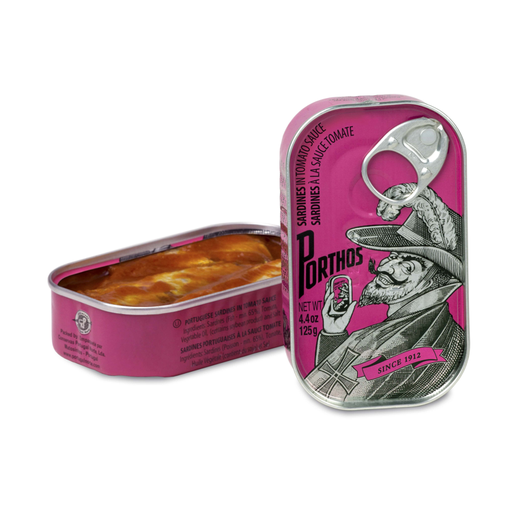 Image unavailable
A tomato recipe to consider if the flavour suits the toast or dish you’re planning.
The stated size is 112 g, including 81 g drained weight. Check the sauce ingredients before adding it to your recipe.
 Image unavailable
Worth considering for serving sardines in oil on bread or adding the oil to a recipe that calls for it.
The tin is listed as 140 g. If you need to measure the fish for a dish, check its drained weight too.
 Image unavailable
An option for toast or a dish where you’d like to add your own seasoning.
The tin is listed as 98 g. Check the drained weight to work out how much you’ll need.
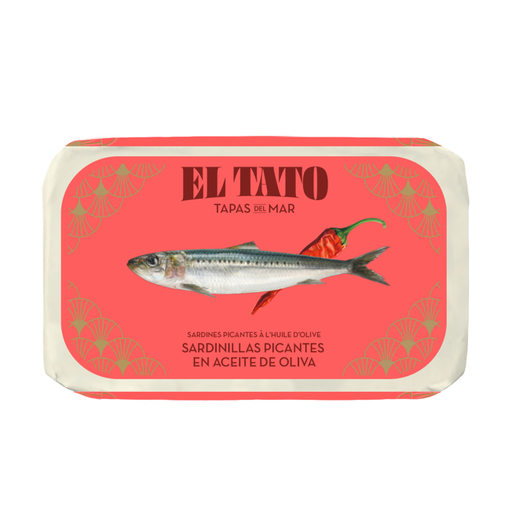 Image unavailable
Worth considering for serving small sardines on bread or crackers, if the chilli suits your guests.
The stated size is 115 g, including 81 g drained weight. “Small sardines” doesn’t mean “boneless”.
Start with the amount of sardines your recipe calls for, then compare the drained weight of tins containing a covering liquid. For example, Auchan’s 115 g sardines in olive oil have a stated drained weight of 80 g, so the net weight doesn’t mean you get 115 g of drained fish.
Not necessarily, but a product labelled boneless can save you some preparation if you want a smooth texture. Check exactly how the fish is presented: “fillets” and “boneless” don’t necessarily mean the same thing.
Follow the instructions on the tin you’ve chosen. The Saupiquet, Connétable and Auchan products we checked recommend keeping them in the fridge and eating them within two days of opening. Don’t assume the same storage period applies to a different recipe.
Check the ingredients and allergen information for the specific product, then look at the nutritional information and amounts relevant to your recipe. For sardines packed in a covering liquid, the Directorate General for Competition Policy, Consumer Affairs and Fraud Control states that the drained weight must be shown on the label.