For a last-minute Italian aperitif
You want to top some toast, make pasta or put together a spread without starting with fresh fish. Whether you choose whole sardines, fillets or boneless sardines depends mainly on how you plan to serve them.


To serve the fish where it can be seen on toast or on a plate, look for whole sardines in olive oil and check whether your guests are happy to eat them with the bones. For pasta or a spread, fillets or boneless sardines can make preparation easier; a ready-seasoned recipe will also affect the ingredients list. If you keep tins in the cupboard, compare the drained net weight and best-before date, and check the instructions for storing them once opened.
You want to top some toast, make pasta or put together a spread without starting with fresh fish. Whether you choose whole sardines, fillets or boneless sardines depends mainly on how you plan to serve them.
You keep a few tins handy for a meal planned at the last minute. Before putting them away, check the best-before date and the condition of the tins. Once opened, follow the storage instructions for that particular product.
You want to compare the ingredients, drained fish weight, fishing area or place of production. This information relates to a specific product, so check the label on the tin you choose, especially if origin matters to you.
First decide how you’ll serve the sardines, then check the quantity of fish and the ingredients in the tin. If it’s going to sit in the cupboard, consider the best-before date too, along with what you’ll do with the contents once opened.
| What to consider | What to check | Who it matters to |
|---|---|---|
| Serving format | Look for the words “whole”, “fillets” or “boneless”, then check which ingredients have already been added. | If I’m preparing sharing bites or adding sardines to pasta, I want a format that suits the preparation time and my guests. Around 42% of consumers prioritise ease of serving. |
| Storage | Check the best-before date, the condition of the tin and the instructions for after opening. | If I keep tins for an impromptu meal, I want to know how to store them and when to use an opened tin. Cupboard storage is the top priority for around 33% of consumers. |
| Ingredients and origin | Compare the ingredients and drained net weight; distinguish the fishing area from the place of production. | When I’m choosing a simple recipe or a specific origin, what’s on the label matters more than the packaging. Ingredients and traceability are the main consideration for around 25% of consumers. |
This weight also includes the covering liquid, so it doesn’t necessarily tell you how many sardines you’ll actually be serving.
When planning your toast toppings or portions, compare the drained net weights where these are given, like for like.
Whole fish on display doesn’t suit the same needs as a format intended to be mixed into a spread or pasta.
Check the exact format and consider whether your guests are happy with bones before planning a sharing platter.
Instructions for an unopened tin no longer apply once it has been opened. The Saupiquet and Auchan products described here need to be refrigerated after opening.
Check the instructions on your tin and plan to use the remainder within the stated time.
Depending on the product, the ingredients may be limited to sardines, oil and salt, or include other ingredients, such as the olives in the Saupiquet fillets featured by the brand.
Check the ingredients and origin information on the specific tin, especially if the recipe or traceability is central to your choice.
These examples illustrate different formats and ingredients; details for one product don’t necessarily apply to every tin from the same brand.
A product of sardines in extra virgin olive oil to consider if you want the fish to be visible when served.
Fillets to consider when you’re adding sardines to toast, pasta or a dish to share.
A 135 g tin of sardines in extra virgin olive oil to compare for a lightly seasoned recipe.
Two distinct products to tell apart: sardines described as organic in extra virgin olive oil, and boneless sardines.
A 135 g product in extra virgin olive oil to compare with recipes made with sardines, oil and salt.
These tins offer several ways to prepare your evening: sardines in olive oil, fillets and tomato recipes. To choose between them, check the format, drained net weight and storage instructions on each tin that matter for the way you plan to serve them.
 Image unavailable
Worth considering for toast or a platter where the sardines remain visible. The stated size is 140 g; check the drained net weight and whether the sardines contain bones if these details matter for serving.
 Image unavailable
The fillet format is a good fit if you’re planning to add sardines to pasta or a spread. To work out how much to serve, check what the two weights on the packaging refer to, and follow the instructions for after opening.
 Image unavailable
Another size to consider for serving on bread or as part of a sharing platter. If you’re choosing it for guests who avoid bones, check the exact format and compare the drained net weight.
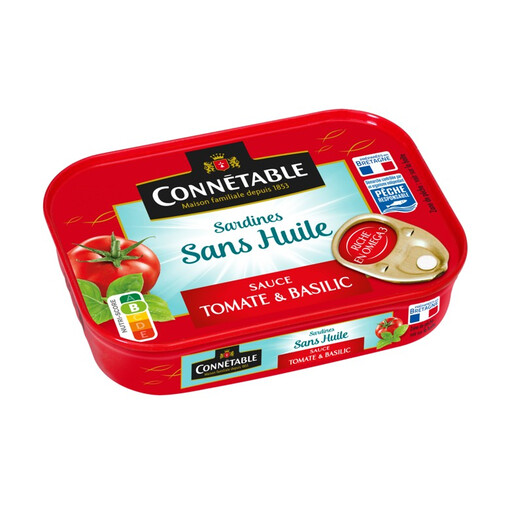 Image unavailable
Consider this tomato and basil recipe if you want a ready-seasoned tin for topping toast. Check the full ingredients list and drained net weight before deciding how many tins to open.
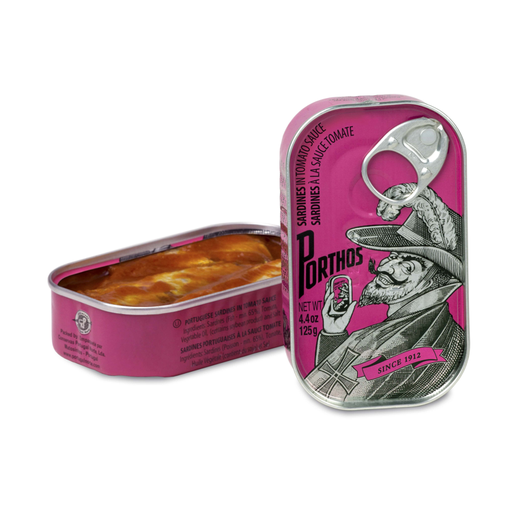 Image unavailable
A tomato recipe to consider for topping toast or serving with a salad. Check the tin to see what the 112/81 g weights refer to and, if you open it, follow the instructions for transferring and storing the contents.
The best-before date on tinned foods is a guide, as explained by the French Ministry of the Economy; it is not the same as a use-by date. Before using a tin that is past its date, check that it is intact and follow the stated storage conditions. Do not eat the product if the packaging shows signs of damage.
Follow the time limit on the product you bought and refrigerate it as instructed. The Saupiquet and Auchan product information cited here recommends eating the respective products within two days or 48 hours; don’t automatically apply those time limits to a different tin.
To estimate how much fish you’ll be serving, compare the drained net weight where it is shown on the tin, rather than just the weight that includes the covering liquid. The DGCCRF states that the drained net weight must be shown when a food is presented in a covering liquid.
Check whether the specific tin carries the label you’re looking for, rather than assuming it does based on the brand or fishing area. The Marine Stewardship Council describes its MSC label as being linked to the certification of fisheries under its programme; the product label is what to check when making your choice.