Which criteria should you prioritise?
Start with how you plan to serve the sardines, then check the recipe and the amount of fish available. A handy format for open sandwiches may not be the one you want to serve whole.
| Criterion |
What to check |
Who is it for? |
| Serving without bones |
Look for the words ‘boneless’; check separately whether the product is skinless. |
If you’re topping open sandwiches or mixing sardines into a dish without picking out the bones, the wording on the tin matters more than the word ‘fillets’ alone. Around 27% of consumers put this need to serve sardines without bones first. |
| Serving whole |
Check the shape of the sardines and the recipe ingredients. |
If you want to arrange whole sardines on a tapas platter, their appearance and a recipe that works with your chosen accompaniments will guide your choice. This is the top priority for around 27% of consumers. |
| Pairing with your menu |
Read the type of oil, added ingredients and allergens listed. |
Pre-seasoned fillets may suit a canapé planned around olives, but they won’t work for every dish. Around 20% of consumers prioritise how well the recipe fits their menu. |
| Stock and quantity |
Compare the number of tins, drained weight, date and storage instructions. |
If you’re planning several servings, you need to know how much fish you’ll have to serve, not just the total weight of the tins. This is a priority for around 26% of consumers. |
Sardines for your New Year’s Eve spread
These Joybuy tins suit a range of New Year’s Eve dishes: fillets to spread over toast, small sardines for canapés and ready-seasoned recipes. Choose according to the shape and ingredients listed, then check the drained weight and instructions on the tin you buy.
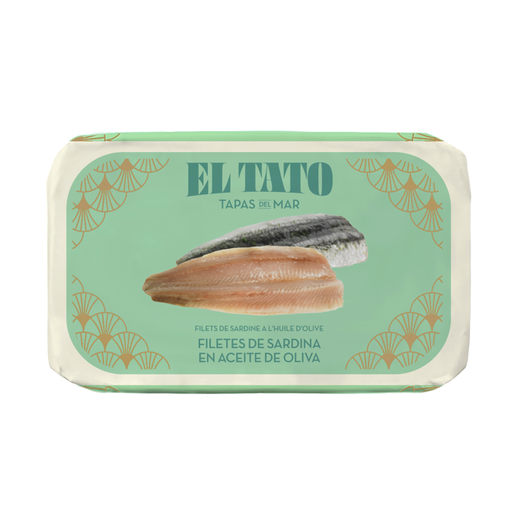 Image unavailable
EL TATO Sardine fillets in olive oil 115/81 g
The fillet format is a good option if you want to spread the sardines over toast or add them to a recipe.
The title gives the weight as 115/81 g; check the packaging to see what each figure refers to before working out how much to serve. Also check the type of oil listed on the tin. After opening, refrigerate any leftovers and consume within 24 hours.
View on Joybuy
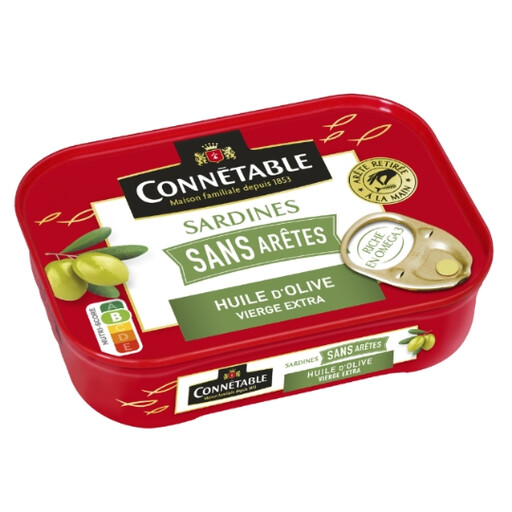 Image unavailable
CONNÉTABLE Sardines in extra virgin olive oil 140 g
This product may suit toast or a salad if removing the central bone meets your needs.
The product description specifies that the central bone has been removed, but doesn’t say the sardines are skinless. Don’t assume this is the same as a tin explicitly labelled ‘skinless and boneless’. After opening, refrigerate and consume within two days.
View on Joybuy
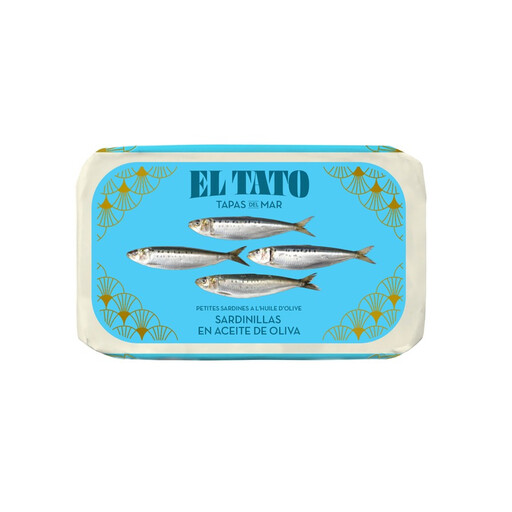 Image unavailable
El Tato Small sardines in olive oil 16/20 pieces, 115/81 g
The small sardine format is worth considering for toast or a tapas platter.
The title gives the quantity as 16/20 pieces and the weight as 115/81 g. Check the drained weight on the tin to work out how much fish you’ll have. If boneless sardines are essential, look for an explicit statement. After opening, refrigerate and consume within 24 hours.
View on Joybuy
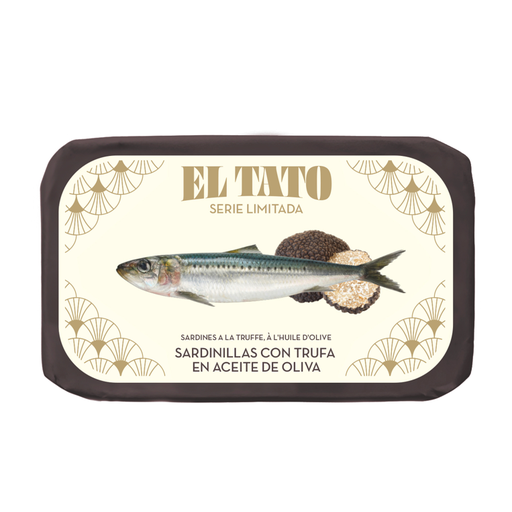 Image unavailable
EL TATO Small sardines in olive oil and truffle 16/20 pieces, 115/81 g
This recipe suits toast or tapas if you want a truffle seasoning in the canapés you’re planning.
The title gives the quantity as 16/20 pieces and the weight as 115/81 g. Check the drained weight on the packaging. The recipe includes summer truffle, so its seasoning may not suit a dish that calls for plain sardines. After opening, refrigerate and consume within 24 hours.
View on Joybuy
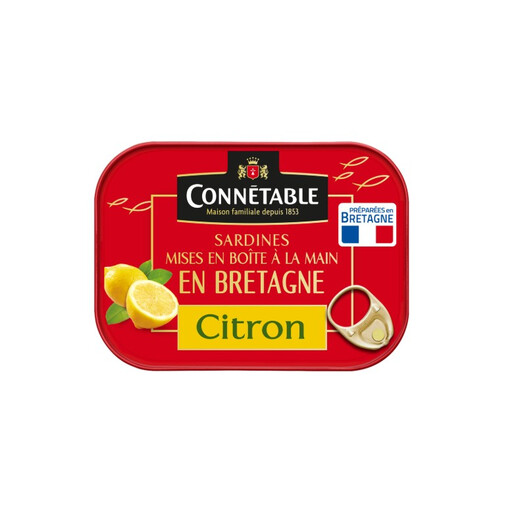 Image unavailable
CONNECTABLE Sardines in extra virgin olive oil and lemon, 1/6 tin, 115 g
This lemon-flavoured recipe is worth considering for canapés that are already planned around lemon.
The stated format is a 1/6 tin weighing 115 g. To estimate how much sardine you’ll have to serve, check the drained weight on the packaging. Don’t assume from the title that the fish is boneless. After opening, refrigerate and consume within two days.
View on Joybuy
Frequently asked questions
Can I buy sardines in advance for New Year’s Eve?
Yes, as long as you choose tins that are intact and take account of the date and storage conditions shown. The DGCCRF distinguishes between the best-before date (DDM), after which a product in intact packaging may lose some of its flavour, and the use-by date (DLC), which must be observed. Check the wording on the tin you buy.
Which weight should I check when planning toast?
Check the drained net weight to estimate how much fish is available, rather than relying only on the net weight, which also includes the covering liquid. The DGCCRF states that the drained net weight must appear on the label of food presented in a covering liquid.
How long can I keep an opened tin?
Follow the storage instructions and time limit for the product you buy. Saupiquet advises consuming the fillets mentioned within two days of opening; for the boneless sardines mentioned, Auchan advises storing them between 0 and +4 °C and consuming them within 48 hours.
How can I check the ingredients before serving?
Read the label on the tin you’re going to serve, especially if the recipe contains olives, lemon or other added ingredients. The DGCCRF states that allergens must be highlighted in the ingredients list on pre-packed foods; fish is one of the allergens to look out for.
How can I check whether a stored tin has been recalled?
Compare the details on your tin, including the brand and batch number, with notices published on RappelConso, the French public website for alerts about dangerous products. The match must be for the specific product and batch concerned, not just the brand name.


