Families whose child avoids fish bones
Fillets and products explicitly labelled ‘boneless’ let you choose according to your child’s preference. Check the label on every tin: the word ‘fillets’ alone doesn’t confirm that it’s boneless.


For a secondary school pupil’s lunchbox, choose a product explicitly labelled boneless if they prefer to avoid bones; whole sardines are still an option if they’re happy to eat them. Then compare the recipe, nutritional values and drained weight on the packaging. An unopened tin can be stored according to its instructions, but any leftovers from an opened tin need to be refrigerated. Check the allergen information too, as well as any recall notices for the exact product.
Fillets and products explicitly labelled ‘boneless’ let you choose according to your child’s preference. Check the label on every tin: the word ‘fillets’ alone doesn’t confirm that it’s boneless.
An unopened tin can be kept in the cupboard according to the storage instructions on its packaging. Choose a size that’s right for the amount your child will eat to limit leftovers once it’s opened.
The ingredients list, allergen information, nutritional values per 100 g and drained weight help you compare products beyond the brand name.
For a lunchbox, first check that the product is suitable for your child and that the tin isn’t subject to a recall. Then compare the bones, recipe and pack size.
| What to check | Look for | Who is it for? |
|---|---|---|
| Allergens and recalls | Read the allergen information on the label. If you have a tin at home, compare its identifying details with any relevant recall notice on RappelConso. | If a pupil has an allergy, I need to identify the exact tin before offering it to them; for around 33% of consumers, this would be the main priority. |
| Bones and presentation | Look for an explicit ‘boneless’ label if needed; don’t assume this from the word ‘fillets’ alone. | If bones put a secondary school pupil off, I look for a product they’ll be happy to eat; around 27% of consumers would put this need first. |
| Recipe and ingredients | Compare the ingredients and nutritional values per 100 g, particularly salt and fat, and then check the drained weight. | When putting a meal together, I want to know what’s in the tin and how much fish it contains; ingredients would be the top criterion for around 20% of consumers. |
| Pack size and storage | Choose a size to suit the amount being eaten, and read the storage instructions for before and after opening. | If I’m preparing one meal, I prefer a tin that leaves few leftovers to refrigerate; around 20% of consumers would make this their priority. |
The recipe, presentation and amount of fish can vary from one product to another.
Compare the ingredients, drained weight and nutritional information per 100 g rather than judging by the tin’s appearance alone.
A secondary school pupil who dislikes bones or the texture may leave the tin uneaten.
Try a small amount first, and look for an explicit ‘boneless’ label if that matters to them.
Storage instructions change once the tin is opened. For the product checked, Saupiquet advises refrigerating it and eating it within two days; check the specific time limit for each product.
Put any leftovers in a food container in the fridge and follow the instructions on the tin.
Fish is one of the allergens that must be identified. RappelConso has also issued a recall notice for a specific 135 g Carrefour Classic' sardine product due to the possible presence of undeclared crustacean. This doesn’t automatically apply to other products from the brand.
Read the label every time you buy, and check any alert against the product and identifying details of the tin you have.
Saupiquet’s 100 g tin of fillets in olive oil with olives may appeal to families looking for fillets.
The products checked let you compare a version explicitly labelled skinless and boneless with sardines in olive oil.
E.Leclerc’s 135 g tin of sardines in olive oil offers another product to compare for its recipe and pack size.
Compare Carrefour Classic' products individually: you can’t tell their size or status from the range name alone.
These tins offer recipes in water, olive oil or tomato sauce for putting together a lunchbox. If bones are a deciding factor, check how each product is presented: they aren’t all explicitly labelled ‘boneless’.
 Image unavailable
Worth considering if your child avoids bones and prefers sardines in water. Check the drained weight, allergens and storage instructions after opening on the tin.
 Image unavailable
Worth considering if your child prefers olive oil and avoids the central backbone: the Joybuy product information says it has been removed. The title gives a weight of 140 g; also check the drained weight and allergens on the packaging.
 Image unavailable
The fillet format could be handy for putting a meal together quickly. The title gives a weight of 115/81 g: check what these figures mean on the tin, as well as whether any bones remain. Once opened, follow the 24-hour time limit given for this product.
 Image unavailable
Compare with other olive oil recipes if your child is happy with the way these sardines are presented. The tin is listed as 135 g; check the drained weight and whether the product contains bones.
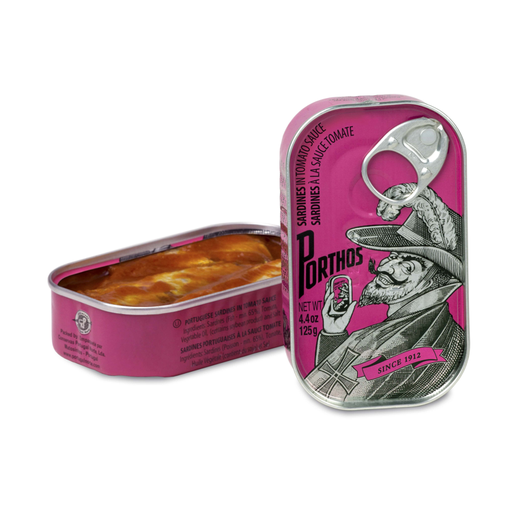 Image unavailable
The tomato recipe offers another option to compare for a lunchbox. The title gives a weight of 112/81 g: check what these figures mean on the packaging, as well as whether any bones remain and what’s in the sauce.
Yes, as long as you follow the storage instructions on the tin. For the product checked, Saupiquet advises storing it in a cool, dry place away from heat sources; also check the date shown on your product.
Put any leftovers in a food container in the fridge and follow the time limit given for that product. This can vary: Saupiquet advises two days for the product checked, while the instructions given for the EL TATO fillets in this selection say 24 hours.
Check the ingredients and allergen information, then the drained weight and nutritional information per 100 g. According to the DGCCRF, nutritional values presented this way give you a common basis for comparing things such as salt and fat, even when pack sizes differ.
No: the word ‘fillets’ alone doesn’t mean that a product is boneless. If your child avoids bones, look for an explicit label on the product or a clear statement that the central backbone has been removed.
Compare the identifying details on your tin with the RappelConso notice, rather than relying on the brand name alone. RappelConso issued a recall for 135 g tins of Carrefour Classic' sardines in extra virgin olive oil, sold in France from 21 July to 24 September 2026, due to the possible presence of undeclared crustacean. Anyone with a crustacean allergy or intolerance must not eat an affected product.