For pupils who find bones off-putting
Fillets or a product labelled ‘boneless’ can save them from having to pick through the sardines during their lunch break. Check that the exact tin you buy carries this label.


For a secondary school lunch, start by choosing the form of sardines: fillets or a tin labelled ‘boneless’ if your child would rather not pick through them, or whole sardines if they already enjoy them. Then compare the recipe, drained weight and nutritional information on the tin you choose. Check for the fish allergen and follow the storage instructions once opened.
Fillets or a product labelled ‘boneless’ can save them from having to pick through the sardines during their lunch break. Check that the exact tin you buy carries this label.
If you’re serving the sardines with bread, rice or salad, compare the recipe, drained weight, fat and salt in each product before putting the meal together.
You may find a single tin in your usual shop or available to order online, but check the recipe, stated origin and availability of the specific product. Don’t assume that supermarket own-brand products are all the same.
For a tin intended for a secondary school lunch, start with anything that might make the meal difficult to eat, then compare the recipe and the amount of sardines once drained.
| What to check | Look for | Who is this for? |
|---|---|---|
| Bones | The words ‘boneless’ or ‘fillets’ on the exact product; these descriptions don’t mean the same thing. | If bones make lunch at school difficult for me, I want to eat without spending my break picking them out; around 42% of consumers with this concern put this first. |
| Recipe for a cold lunch | The ingredients, then the fat and salt per 100 g on the label of the recipe you’ve chosen. | If my salad or sandwich is already dressed, I want to choose between sardines in spring water and sardines in oil, depending on what I’ll serve with them; around 33% of consumers with this concern put this choice first. |
| Availability at your usual supermarket | The net weight, the drained weight if stated, and whether the product is available at your chosen shop. | If I shop at my usual supermarket, I’m looking for a single tin with a recipe and quantity of fish that suit me; around 25% of consumers with this concern prioritise being able to find it in store. |
The liquid the sardines are packed in is included in the net weight: an Auchan 115 g tin lists a drained net weight of 80 g on its product page.
Check the drained weight on the packaging, if it’s stated, before deciding whether the quantity is right for the meal you have planned.
This description doesn’t tell you all the ingredients or the nutritional values of the product. Compare the labels of sardines in spring water and sardines in oil separately.
Read the ingredients list and the fat and salt per 100 g, taking note of the measurement basis given.
Sardines contain fish. The DGCCRF reminds shoppers that allergenic ingredients must be highlighted on the labels of pre-packed foods.
Check the label for every recipe, including sauces and seasonings. If you have a fish allergy, don’t add sardines to the meal.
Storage instructions after opening vary from one product to another. Anses stresses the importance of keeping fish chilled to help prevent histamine poisoning.
Choose a tin that is still sealed until mealtime. If it’s opened in advance or there are sardines left over, follow the refrigeration and use-by instructions on the tin.
Saupiquet offers sardine fillets in extra virgin olive oil in a 100 g tin.
The range includes 115 g tins of boneless sardines in olive oil, as well as a recipe featuring whole sardines in spring water.
The organic sardines in extra virgin olive oil are available in a 115 g tin.
E.Leclerc sells Saint-Gilles-Croix-de-Vie sardines in olive oil under this brand in a 115 g tin.
Carrefour offers sardines in extra virgin olive oil and sardines in spring water in 95 g tins.
These single tins include fillets, a boneless option and several recipes featuring small sardines. For a secondary school lunch, consider the form of the fish separately from the seasoning: fillets alone don’t guarantee that there are no bones.
 Image unavailable
Fillets for a cold meal when you’d rather not pick through whole sardines. The tin states 115 g net and 81 g drained; if it’s important that every bone is removed, check the packaging.
Also check the ingredients on the tin being sold if the seasoning matters for the meal. The product contains fish, and the information provided mentions possible traces of crustaceans and molluscs.
 Image unavailable
An option to consider if your child would rather not pick out the central bone during lunch. The tin contains 98 g of sardines in water and is labelled ‘boneless’.
Sardines contain fish, so check the label before preparing the meal. Once opened, the information provided says to refrigerate and use within two days.
 Image unavailable
A tin in olive oil to consider if your child enjoys this recipe. It states 115 g net and 81 g drained; check whether it contains bones if that affects your choice.
The information provided mentions fish and possible traces of crustaceans and molluscs. Once opened, any leftovers should be refrigerated and used within 24 hours.
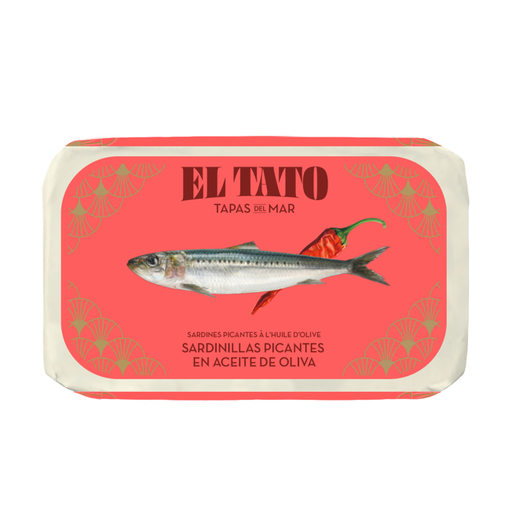 Image unavailable
Choose the chilli recipe only if your child likes this seasoning. The tin states 115 g net and 81 g drained; check for bones if necessary.
The product contains fish. The information provided says to refrigerate any leftovers and use them within 24 hours of opening.
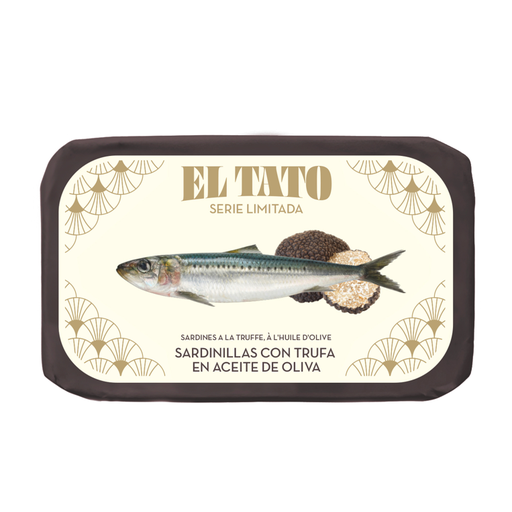 Image unavailable
This summer truffle recipe is suited to a meal where that seasoning is welcome. The tin states 115 g net and 81 g drained; check for bones if your child avoids them.
The information provided mentions fish and possible traces of crustaceans and molluscs. It says to refrigerate any leftovers and use them within 24 hours of opening.
A single tin of 95 to 115 g may be suitable, depending on what you’re serving with the sardines and how much your child wants. Check the drained weight too: an Auchan 115 g tin lists a drained weight of 80 g, which is different from the tin’s net weight.
No. The ‘boneless’ label is mainly useful if your child finds bones off-putting. Whole sardines may be fine if they already enjoy them; check the form of the fish on each product, even if it’s labelled ‘in spring water’.
Using a tin that’s still sealed avoids having to deal with leftovers opened before the meal. If you open it in advance, follow its refrigeration instructions and use-by time after opening: some of the products listed here must be used within 24 hours, while others say two days. Anses stresses the importance of keeping fish chilled.
Fish is the allergen to check for in sardines. The DGCCRF says that allergenic ingredients must be highlighted on the labels of pre-packed foods. Also read the other ingredients and check for any precautionary ‘may contain’ statements on the product you choose.