People who need to check for gluten
If you need a product labelled ‘gluten-free’, check the tin you’re buying, along with its ingredients list, highlighted allergens and any precautionary statements.


For gluten-free shopping, first choose a tin whose ingredients and labelling you can check: tinned sardines are not automatically suitable. Sardines in spring water with a short ingredients list work well in a variety of meals, while a seasoned recipe saves you adding your own flavourings. If you’d rather not deal with bones, check the exact wording on the pack too.
If you need a product labelled ‘gluten-free’, check the tin you’re buying, along with its ingredients list, highlighted allergens and any precautionary statements.
Sardines in spring water with a short ingredients list let you add your own flavourings to suit the meal. Auchan’s product listings for sardines in spring water include options made with sardines, water and salt.
‘Fillets’, ‘boneless’ and ‘skinless and boneless’ refer to different product formats. Check which one you’re choosing if you want sardines that are ready to eat straight from the tin.
Before stocking your cupboard, check the label on the exact product, then choose between a base you can season yourself, a ready-to-serve recipe or a boneless format, depending on what you’re making.
| Criteria | What to check | Who it’s for |
|---|---|---|
| Gluten-free suitability | Check the exact tin for its ingredients, highlighted allergens, precautionary statements and a ‘gluten-free’ label if you need one. | I need to be able to check whether this tin is suitable before adding it to my basket. Around 36% of consumers put this check first. |
| A versatile cupboard staple | Compare the recipe, drained net weight and instructions for storage after opening. | I want to season the sardines differently for each meal, rather than committing to a sauce or marinade in advance. Versatility is the priority for around 29% of consumers. |
| A ready-to-serve recipe | Read the ingredients for the option you’re considering and, if the nutritional content matters to you, check the nutritional information per 100 g. | For a quick meal, I’d rather have a recipe that’s already seasoned, even if that gives me less scope to adapt it. Convenience comes first for around 21% of consumers. |
| Boneless format | Tell the difference between ‘fillets’, ‘boneless’ and ‘skinless and boneless’, and compare the drained net weight too. | I want to serve the sardines without having to remove the bones. This convenience is the main requirement for around 14% of consumers. |
A marinade, sauce or seasoning can mean that the ingredients differ from one product to another. The DGCCRF notes that the label on pre-packed food includes information such as the ingredients list and allergen details.
Check the packaging on the tin you’re buying, even if you already know the brand or have bought another recipe from its range.
For sardines in water or oil, the total contents and the quantity of sardines after draining answer different questions.
Use the drained net weight to compare the amount of fish in different formats.
Storage instructions change once a tin has been opened and may vary from one product to another.
Choose a quantity that suits how you’ll use it, then follow the refrigeration and consumption instructions on the tin.
What’s available depends on the retailer and store. Lidl France notes, for example, that its gluten-free products are sold as occasional offers rather than as part of a permanent range.
Check what’s available at the store where you shop, and have another recipe in mind to look at if your first choice isn’t there.
Saupiquet’s sardine range includes fillets in spring water as well as seasoned recipes.
Connétable offers sardines in spring water, in oil, boneless and skinless, making it easy to compare recipes and formats.
Carrefour’s online grocery range includes its own-brand sardines and products from other brands, in a variety of recipes.
Auchan’s product listings let you browse sardines in spring water as well as products from other brands.
E.Leclerc DRIVE lists sardines among the fish available through its online grocery service.
Lidl is worth checking for occasional offers, but don’t assume it has a permanent gluten-free range.
These tins include sardines in water, in oil and seasoned, as well as fillet and boneless formats. For gluten-free shopping, check each tin for the label you’re looking for, its ingredients and any precautionary statements. The recipe or brand name alone can’t confirm whether it’s suitable.
 Image unavailable
Worth considering if you’d like to season the sardines yourself and prefer to avoid bones.
Stated size: 98 g. Check the ingredients, precautionary statements and instructions for storage after opening on the tin you choose.
 Image unavailable
The fillet format is a good choice if you want to serve sardines in olive oil without opting for a tin of whole sardines.
The title states 115/81 g. Check the label for this variety, especially if you need a ‘gluten-free’ label or specific precautionary information.
 Image unavailable
This recipe in extra virgin olive oil is for anyone who prefers a tin that’s already seasoned over a version in water.
Stated size: 135 g. Check the tin for its ingredients, any information about gluten and instructions for storage after opening.
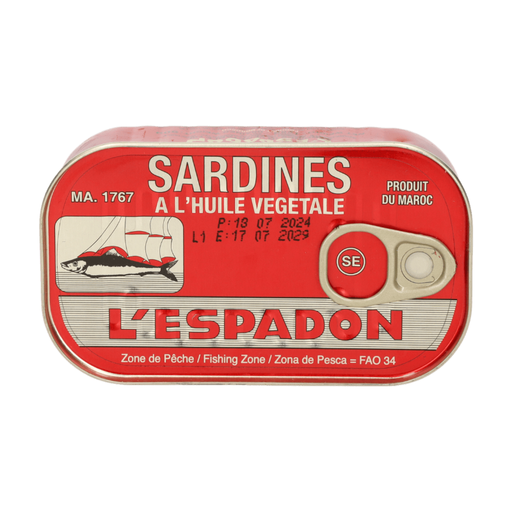 Image unavailable
An option to consider if you’d like to keep sardines in oil in the cupboard until you’re ready to open the tin.
Stated size: 125 g; the title doesn’t specify the type of oil. Read the ingredients, precautionary statements and storage instructions on the tin.
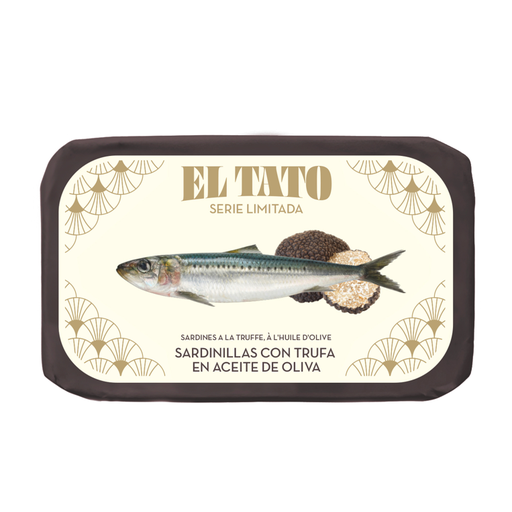 Image unavailable
This flavoured recipe is a good choice if you’re looking for sardines that are already seasoned rather than a plain base.
The title states size 16/20 and 115/81 g. Check the ingredients, precautionary statements and instructions for storage after opening for this specific product.
No. You need to check the specific product you’re buying, not just the ‘sardines’ category. Read the ingredients, highlighted allergens and any precautionary statements, and look for a ‘gluten-free’ label if you need one.
Start with the product name and ingredients for the exact recipe. Then check the allergens, drained net weight for comparing formats, best-before date and instructions for storage after opening.
No. Instructions for an unopened tin no longer apply once it has been opened. Follow the refrigeration instructions and use-by period on the tin, which may vary depending on the product.
No. These terms describe different formats. Auchan and Carrefour’s listings for Connétable products include ‘boneless’ and ‘skinless and boneless’, for example. Check the full product name and its drained net weight.
Don’t count on a permanent range: Lidl France says it sells gluten-free products as occasional offers. Check the current catalogue, then read the label on the tin that’s actually available.