Couples improvising with cupboard staples
Drained sardines can be added to a cold dish, such as devilled eggs, or served on toast or in a salad. Lidl Recipes, for example, suggests adding them to devilled eggs after draining them.


For an impromptu dinner for two using ingredients from the cupboard, start by choosing a recipe you’ll both enjoy: whole sardines in olive oil to serve as they are, a product clearly labelled boneless if you’d rather avoid bones, or a lemon-flavoured recipe if it suits the rest of the meal. Then compare the ingredients, net weight and drained weight, where shown. A flavoured recipe needs fewer additions, but gives you less freedom to adjust the taste.
When you’re making dinner from cupboard staples, the right tin depends mainly on how you plan to serve the sardines and what the other person likes.
Drained sardines can be added to a cold dish, such as devilled eggs, or served on toast or in a salad. Lidl Recipes, for example, suggests adding them to devilled eggs after draining them.
A tin in olive oil or with lemon can be served with very few additions. Connétable offers a lemon-flavoured recipe; just check that the seasoning suits both of you and the sides you’re planning to serve.
Look for a clear ‘boneless’ or ‘skinless and boneless’ label rather than relying on the word ‘fillets’ alone. Products labelled this way are available in ranges from Auchan and Connétable, for example.
First decide on the format and seasoning you’d like to serve, then read the label on the specific tin to compare its ingredients and the amount of fish it contains.
| What to consider | What to check | Who is this for? |
|---|---|---|
| A flavour you both enjoy | Read the full recipe details, including whether it contains lemon, herbs or chilli. If your tastes differ, a lightly seasoned recipe lets you add condiments separately. | If we’re sharing a meal, I want a seasoning we’ll both enjoy without having to remake the dish; around 29% of consumers put a shared flavour preference first. |
| Bones | Look for a clear ‘boneless’ or ‘skinless and boneless’ label. Check the recipe too, as the format doesn’t tell you how much oil or salt it contains. | If I’m serving toast and want to avoid dealing with bones at the table, I choose a prepared format. Around 29% of consumers say ease of eating is their top priority. |
| Ingredients | Compare the ingredients, as well as the fat and salt content on the same basis, such as per 100 g. Check the label if you need to avoid an allergen. | When I’m already planning a sauce or toppings, I want to know what the tin adds to the meal; around 21% of consumers put its ingredients first. |
| Storage | Check the best-before date and the condition of the tin. Once opened, follow the storage instructions for the specific product you’ve bought. | If I want to be able to improvise a meal from the cupboard, I need to choose an undamaged tin and know what to do with any leftovers; storage comes first for around 21% of consumers. |
Net weight includes the recipe in the tin, while drained weight helps you work out how much fish you’ll be serving. A 135 g net-weight tin of Carrefour Classic' sardines and an Auchan organic product with a drained weight of 80 g aren’t being compared on a like-for-like basis.
When choosing enough for two portions, look for both figures on the packaging.
How the fish is prepared doesn’t, by itself, determine how much oil or salt it contains. Ease of eating and ingredients are two separate things to consider.
If avoiding bones matters for your dinner, first choose a product labelled accordingly. Then compare its ingredients and nutritional information with those of other recipes.
The DGCCRF distinguishes between the minimum durability date (best-before date) and the condition of the packaging. A swollen, rusty or dented tin could indicate that the product has deteriorated, whatever the date says.
Check the tin when you buy it and before opening. If you’re unsure whether it’s intact, don’t eat its contents.
Auchan notes that the ingredients in some products may vary depending on the online shop and the date of purchase. So a product listing you looked at earlier is no substitute for checking the label on the tin you choose.
Before making dinner, check the ingredients and storage information on the packaging, especially if there’s an ingredient you need to avoid.
These ranges offer useful points of comparison for formats and recipes. The features mentioned apply to the specific products listed, not every product from each brand.
The range includes whole sardines in olive oil, a lemon-flavoured recipe and products labelled boneless.
Saupiquet offers natural fillets, as well as recipes with olive oil, lemon and basil, or tomato.
A 135 g tin of sardines in extra virgin olive oil is a good example of a simple store-cupboard recipe.
The retailer offers sardines in olive oil, as well as a product labelled ‘boneless’.
The E.Leclerc range includes various sardine formats and recipes, including olive oil and chilli options.
These tinned sardines include recipes in olive oil or water, as well as flavoured options. Choose based on a flavour you both enjoy, the labelling about bones and the quantity you need to serve, then check the label on the tin you’ve selected.
 Image unavailable
A recipe in olive oil to consider if you’d like to serve the sardines with bread or a salad.
If it’s important to avoid every bone for one of your diners, check the exact wording on the label: removing the backbone alone doesn’t guarantee that all bones have been removed.
 Image unavailable
The boneless format is suitable for toast or a salad if you’d rather not deal with bones at the table.
The recipe in water lets you season the sardines as you like when serving. To compare the amount of fish with a tin in oil, check the drained weight on the label.
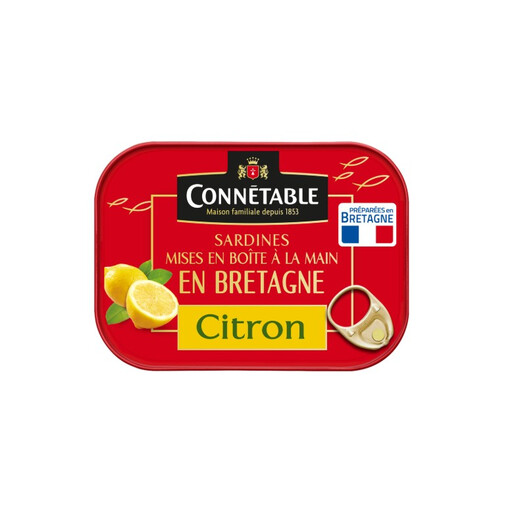 Image unavailable
Worth considering for a cold starter if you both fancy a recipe with lemon already added.
The stated format is a 1/6 tin weighing 115 g. Check the drained weight if the amount of fish per portion is a deciding factor.
 Image unavailable
This recipe, without lemon or chilli, lets you choose the accompaniments for dinner separately.
The stated format is 135 g. To compare it with other tins, check the drained weight on the packaging too.
 Image unavailable
This ready-seasoned recipe is an easy option if you both enjoy Espelette pepper.
The stated format is a 1/6 tin weighing 115 g. Check the ingredients and drained weight on the label before planning portions and accompaniments.
Yes. Going past the best-before date doesn’t, by itself, mean the sardines are unsafe to eat if the packaging is intact. The DGCCRF notes that their flavour may have deteriorated, however. This is different from a use-by date.
Discard any tin that is swollen, rusty, dented or shows other visible signs of damage. According to the DGCCRF, these signs may indicate that the product has deteriorated. If in doubt, don’t eat the contents.
Follow the instructions on the product you’ve bought. For its natural sardine fillets, Saupiquet recommends keeping them in the fridge and eating them within two days of opening. Don’t automatically apply this guidance to every tin.
Compare the product name, ingredients, nutritional information, net quantity and date. The DGCCRF lists these among the details shown on prepacked food labels. For your dinner, also check the labelling about bones, the drained weight if it’s shown on the tin, and any herbs or seasonings already included.