Which criteria should you prioritise?
For Christmas dinner, start with how you plan to serve the sardines, then check the recipe and how much you’ll need for your guests.
| Criterion |
What to check |
Who it matters to |
| Presentation and serving |
Look for the terms “whole sardines” or “fillets” and choose according to how you plan to serve them. |
If I’m preparing toast or a starter quickly, I prefer a format that needs little preparation. Around 31% of consumers put ease of serving first. |
| Whether it contains bones |
Look for an explicit “boneless” label; the word “fillets” isn’t enough to confirm this. |
If any guests want to avoid bones, I want to be able to choose a tin accordingly. This preference would be a priority for around 31% of consumers. |
| Recipe and origin |
Read the ingredients, including the oil and any other additions, as well as the fishing area if stated. |
To match the sardines to the rest of the menu, I want to know whether the recipe contains anything besides fish, oil and salt. Around 23% of consumers would make ingredients and origin their main consideration. |
| Amount to serve |
Compare the net weight and, if shown on the label, the drained weight before deciding how many tins to buy. |
If I’m making several pieces of toast, I need to allow for enough fish without relying solely on the weight shown on the front of the tin. The amount to serve would be the first consideration for around 15% of consumers. |
Tinned sardines on Joybuy
These tins offer a choice of small sardines, fillets and a boneless option for a Christmas starter or party appetiser. Check the recipe too: the products below include options in olive oil, a chilli version and one in water.
 Image unavailable
El Tato small sardines 16/20u in olive oil, 115/81 g
Worth considering if you’d like to serve small sardines on toast. The product name identifies this 16/20u variant and gives a weight of 115/81 g; check the tin to see what each weight refers to before working out how much you need.
View on Joybuy
 Image unavailable
El Tato sardine fillets in olive oil, 115/81 g
Worth considering for toast or a dish where you’d prefer fillets to whole sardines. The product name gives a weight of 115/81 g; check the label to see what these weights refer to and for storage instructions after opening.
View on Joybuy
 Image unavailable
Connétable sardines in extra virgin olive oil, 135 g
A tin to consider for serving sardines on bread or as a starter. The stated weight is 135 g; to work out how much fish you’ll have to serve, check the drained weight on the product you choose as well.
View on Joybuy
 Image unavailable
Connétable boneless sardines in water, 98 g
Worth considering if the central bone would make serving or eating awkward. This 98 g version is packed in water rather than olive oil; check the ingredients and drained weight on the label.
View on Joybuy
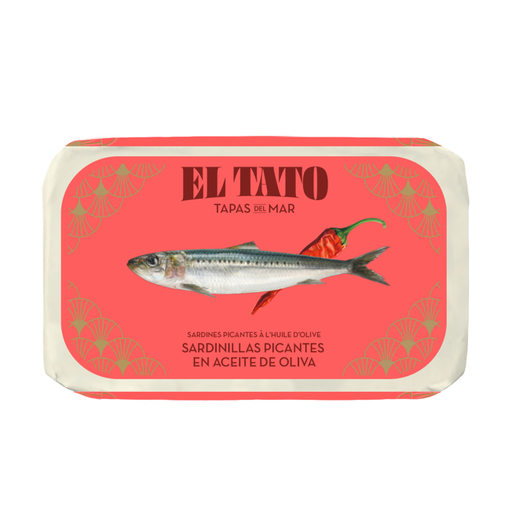 Image unavailable
El Tato small sardines 16/20u in olive oil and chilli, 115/81 g
Worth considering if a chilli recipe suits your guests and the rest of your party food. The product name identifies the 16/20u variant and gives a weight of 115/81 g; check the tin to see what these weights refer to.
View on Joybuy
Frequently asked questions
Can you serve tinned sardines straight from the tin as a Christmas appetiser?
Yes, some products can be served without cooking: Connétable’s listings describe its Pêche du Jour sardines and boneless option as ready to eat. Then choose between serving the sardines whole on bread or mashing them, depending on the presentation you’re after.
How do you compare 100 g, 115 g and 135 g tins?
Compare the drained weight if it’s stated, not just the net weight shown on the front. For example, Auchan’s listing gives a drained weight of 95 g for its 135 g product; adjust the number of tins to suit the toast or starters you’re planning.
What should you look for on the label before choosing?
Check the product name, ingredients, quantity and storage instructions, then compare the nutritional information if it matters to your choice. For prepacked foods in France, the DGCCRF notes that allergenic ingredients must be highlighted; in particular, check for fish if any of your guests need to avoid it.
How should you store sardines after opening?
Follow the storage conditions and use-by period stated on the tin you choose, and keep any leftovers in the fridge. Several Saupiquet, Auchan and Connétable listings say to consume the product within two days of opening; this doesn’t replace the instructions for your own product. Anses stresses the importance of keeping fish chilled to reduce the risk of histamine, which can affect fish such as sardines.


