For a filling or pâté for savoury Christmas canapés, choose fillets or sardines clearly labelled ‘boneless’, then match their seasoning to the other filling ingredients. If you want the fish to remain visible on a toast or tartlet, a tin of whole sardines may be a better choice, provided you’re happy to take a little more care when arranging them. In either case, check the drained weight, ingredients and storage instructions on the tin you choose.
Who is this guide for?
Anyone preparing savoury canapés
For Christmas vol-au-vents, tartlets, pâté or toast, the type of sardines matters just as much as the recipe on the tin. Fillets or a product labelled boneless need less preparation when you’re crumbling the fish into a filling.
Anyone who wants to control the seasoning
A sardine recipe with no added flavourings, or simply sardines, olive oil and salt, gives you more choice over how much lemon, herbs, soft cheese or spice to add to your canapé.
Anyone serving guests who find bones difficult
Check that the tin you choose is labelled ‘boneless’. This describes how the fish has been prepared; it does not mean the product is free from the fish allergen.
What should you look for?
These tips are for vol-au-vents, tartlets and other savoury Christmas canapés, not sweet pastries. First decide whether you want the fish to blend into the filling or remain visible, then choose a recipe whose seasoning works with the other ingredients.
| What to consider |
What to check |
Who is it for? |
| Filling texture |
Look for the words ‘boneless’ if this is important to you; don’t assume that ‘fillets’ means the same thing. |
For pâté or a filling for small canapés, I want to crumble the fish without picking out any bones. Around 40% of consumers put this texture at the top of their list. |
| Control over seasoning |
Compare the ingredients: water or oil, salt and any added flavourings. A recipe that’s already flavoured with lemon or spices gives you less flexibility. |
If my pastry or soft cheese is already seasoned, I’d rather add the flavours to the filling myself. This matters more than other factors for around 30% of consumers. |
| Visible pieces |
Check that the tin contains whole sardines if you want to arrange them on an open canapé; you’ll need to take a little more care when plating them. |
On toast or a tartlet, I want the sardine pieces to be recognisable. This is the top priority for around 30% of consumers. |
Mistakes to avoid
-
Working out how many canapés you can make from the tin’s total weight
For tinned fish in liquid, the total weight and the weight of the fish once drained aren’t the same amount to use in a recipe.
Check the drained weight on the packaging before deciding how many tins you’ll need.
-
Adding a flavoured tin to a filling that’s already highly seasoned
Lemon, tomato or chilli from the tin will also affect the final seasoning. It’s difficult to adjust once the fish has been mixed in.
For more control over the flavour, start with a plain recipe or one with a short ingredients list. Choose a flavoured recipe when that’s the combination you’re after.
-
Confusing ‘boneless’ with being free from allergens
Sardines prepared without bones are still fish. Removing the bones doesn’t make them suitable for someone with a fish allergy.
Don’t serve this product to anyone with a fish allergy, and check the ingredients and allergen information on the tin you actually buy.
-
Planning your menu around a product that isn’t available locally
A product listing you can view online doesn’t necessarily mean the tin will be available in your store or with your chosen collection option.
Check availability before settling on your recipe, and keep in mind the type of tin you need, such as sardines in water or a boneless option.
Sardine brands to consider for different recipes
Connétable
Its range includes whole sardines in olive oil and boneless options, which can suit different types of savoury canapé.
- Connétable’s Pêche du Jour recipe contains sardines, extra virgin olive oil and salt.
- The type of fish, tin size and preparation vary between products, so check the tin you’re choosing rather than assuming they’re all the same across the brand.
Saupiquet
The range includes sardine fillets, including recipes in olive oil, which are worth considering for a spread or filling.
- Saupiquet offers organic fillets in extra virgin olive oil in a 70 g tin.
- Check the ingredients, whether the product is labelled boneless and the availability of the specific product before adding it to your menu.
Auchan
The own-brand range includes boneless sardines in olive oil as well as other recipes. Compare them according to the texture and seasoning you’re looking for.
- Auchan’s listing for a 100 g tin of boneless sardines gives the ingredients as sardines, extra virgin olive oil and salt.
- Check the storage instructions for the specific tin you choose, especially once it’s open.
Carrefour Classic'
The sardines in water are a good choice for a recipe where you want to choose the flavourings yourself.
- Carrefour lists sardines, water and salt in its plain 95 g drained-weight product.
- If you’d prefer fillets or need a boneless tin, check the details for the specific product.
Tins of sardines available on Joybuy
These tins offer a few different ways to prepare savoury canapés: crumble sardines into a filling, arrange visible pieces on top or choose a recipe that’s already flavoured. If the shape of the fish or the drained weight is important for your recipe, check the details on each tin.
 Image unavailable
Connétable Sardines in Extra Virgin Olive Oil, 140 g
For a filling you plan to crumble, check that the texture suits you before mixing these sardines in. The Joybuy listing gives the drained weight as 98 g; remember to account for the olive oil when seasoning your filling.
View on Joybuy
 Image unavailable
EL TATO Sardine Fillets in Olive Oil, 115/81 g
The fillet format may work well in a filling you plan to crumble. If it’s essential that the fish is boneless, check the packaging for this claim; also confirm what the two weights refer to.
View on Joybuy
 Image unavailable
Connétable Boneless Sardines in Water, 98 g
The ‘boneless’ label means you won’t need to pick out the bones before using the fish in a filling. This recipe also has a hint of lemon, so choose it if that works with your filling, and check the packaging for the drained weight.
View on Joybuy
 Image unavailable
Connétable Sardines in Extra Virgin Olive Oil, 135 g
This tin may suit canapés where you want the sardines to remain recognisable. Whether you’re after visible pieces or a boneless filling, check the shape of the fish on the packaging and its drained weight.
View on Joybuy
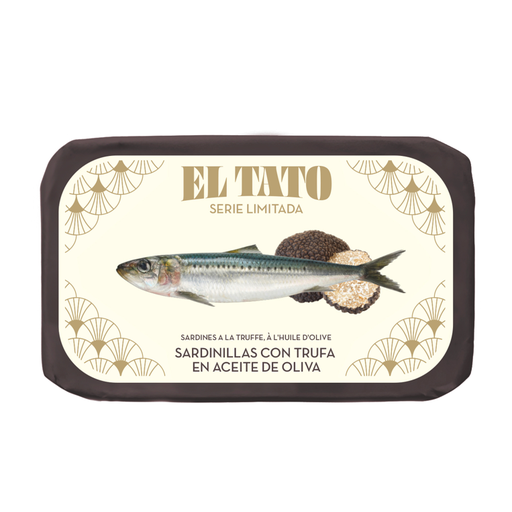 Image unavailable
EL TATO Small Sardines 16/20 in Olive Oil and Truffle, 115/81 g
Worth considering for savoury canapés when the recipe already includes flavours that work with truffle. This seasoning gives you less freedom to change the filling, so check what the listed weights refer to before working out portions.
View on Joybuy
Frequently asked questions
Which tin should I choose for pâté or a vol-au-vent filling?
Choose fillets or a product clearly labelled ‘boneless’ if you want a smooth filling. Drain the fish, then adjust the other ingredients to take account of any oil or flavourings already in the tin.
Are sardines in water suitable for a recipe that’s already seasoned?
A plain recipe gives you more freedom to add the flavours you want to your canapé. Carrefour describes its Carrefour Classic' product as containing sardines, water and salt; still check the ingredients on the tin you buy.
How long can I keep a tin of sardines after opening?
Follow the instructions on the tin you’ve bought and refrigerate the product if directed. The recommended time after opening varies by product, so don’t assume it’s the same as for another tin.
Are boneless sardines suitable for someone with a fish allergy?
No. ‘Boneless’ describes how the sardines have been prepared, but they’re still fish. Don’t serve them to anyone with a fish allergy, and check the label on the tin you choose for its ingredients and allergens.


