Anyone making their own seasoning
If you’re planning to add your own sauces or condiments, a recipe with just sardines, oil and salt gives you more flexibility than a tin with olives or added spices. Compare the ingredients on the tin you choose.


To season the sardines yourself for an impromptu Asian-style dinner, choose a recipe whose ingredients will work with the condiments you have in mind, rather than one that is already heavily flavoured. Fillets or boneless options can make serving easier. If you’re stocking up, check the drained weight, date and storage instructions on each tin too.
If you’re planning to add your own sauces or condiments, a recipe with just sardines, oil and salt gives you more flexibility than a tin with olives or added spices. Compare the ingredients on the tin you choose.
If you’re adding sardines to a dish or catering for guests who don’t like bones, check whether the product contains fillets or is explicitly labelled “boneless”. The format alone won’t tell you how it’s seasoned.
A tin can be kept for an impromptu meal as long as you follow its date and storage instructions. Once opened, follow the product-specific guidance: it can no longer be stored like an unopened tin.
For an impromptu Asian-style dinner, first decide how you’ll use the sardines and what flavours you want. Then choose a format that’s easy to serve, and check the details on any tins you plan to keep in reserve.
| What to consider | What to check | Who is it for? |
|---|---|---|
| Seasoning | Read the ingredients list and look for any herbs, spices or sauces already included. A short ingredients list is a good choice if you want to add your own condiments. | I want my sauces to provide the main flavour in the dish, without having to work around a strongly flavoured marinade; around 33% of consumers would prioritise control over flavour. |
| Serving to share | Check whether the sardines are whole, in fillets or explicitly boneless. Compare the drained weight too, so you can plan your portions. | If some guests avoid bones, I’d prefer a format that’s easy to portion or flake. Ease of serving would come first for around 27% of consumers. |
| Storage | Check the date and storage instructions before opening, then look for guidance on refrigeration and how long the product will keep once opened. | I keep a few tins in the cupboard so I can put together an unplanned meal, but I also need to know what to do with any leftovers; around 20% of consumers would put cupboard storage management first. |
| Ingredients | Check the ingredients and allergen information on the tin you receive. If you’re comparing nutritional values, use the same basis, such as per 100 g. | When I’m cooking for several people, I want to know the ingredients and allergens in the product I’m serving; this would be the main concern for around 20% of consumers. |
The word describes how the sardines are presented, not the whole recipe. The Saupiquet fillets in olive oil mentioned here also contain olives, so their flavour may not suit the condiments you have planned.
If you want to create your own seasoning, read the full ingredients list before choosing fillets.
The total weight and drained weight aren’t the same as the amount of sardines you’ll be serving. This matters when the tin is going into a dish to share.
Compare the drained weight and decide whether the sardines will be the main part of the meal or one of its ingredients.
Auchan notes that the ingredients in one of its products may vary depending on the store or online grocery service and the date of purchase. So a recipe or origin shown on a product listing shouldn’t replace checking the label on the tin delivered to you.
When your order arrives, check the ingredients, allergens and any other details that matter to your choice.
Storage instructions differ before and after opening. For the Saupiquet and Auchan products described here, the instructions say to refrigerate after opening and consume within two days.
If you don’t serve the whole tin, follow the storage instructions on the packaging you’ve bought.
Saupiquet offers, among other products, sardine fillets in extra virgin olive oil, as well as flavoured recipes.
The Connétable range includes sardines in extra virgin olive oil and a product described as skinless and boneless.
Carrefour’s range includes Carrefour Extra fillets and Reflets de France sardines in extra virgin olive oil.
Auchan offers several sardine products in extra virgin olive oil, with different presentations available.
This range includes sardines in olive oil, fillets and flavoured recipes.
These options may suit a recipe you want to season yourself, an easier-to-serve format or a tin to keep for an impromptu meal. Compare the oil, presentation and instructions for after opening: they won’t all meet the same needs.
 Image unavailable
Worth considering if you want to add your own condiments and serve sardines without the central bone. Check the tin to see whether the skin has been removed and what drained weight is stated. After opening, follow this product’s instructions to refrigerate and consume within two days.
 Image unavailable
The fillet format may suit you if you plan to add the sardines to a dish and choose the condiments yourself. The two quantities in the product name aren’t enough to identify the drained weight, so check this on the tin. The instructions for this product say to refrigerate after opening and consume within 24 hours.
 Image unavailable
The boneless format can make serving easier, but the hint of lemon noted for this recipe needs to suit the seasoning in your dish. Check whether the skin has been removed and whether 98 g is the drained weight. After opening, the instructions for this product say to refrigerate and consume within two days.
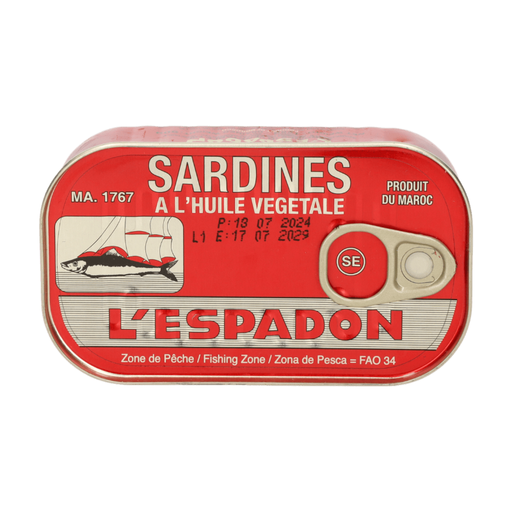 Image unavailable
If you’re looking for a recipe to complement with your own condiments, check that the soya oil listed for this product suits the meal. Also check the allergen information, how the sardines are presented and the drained weight on the tin. The instructions say to refrigerate after opening and consume within 48 hours.
 Image unavailable
This tin may suit you if you want to create your own seasoning when it’s time to eat. To plan how you’ll serve it, check the sardines’ presentation and drained weight rather than relying on the 135 g in the product name alone. The instructions for this product say to refrigerate after opening and consume within two days.
Choose according to the seasoning you want to add to the dish. If you’re planning to use your own condiments, compare simple recipes made with sardines, oil and salt. An olive, lemon or chilli recipe will work only if that flavour suits your meal. Check the ingredients for the specific product.
Before opening, follow the storage instructions on the tin, including any advice about heat and damp. Once opened, follow the product guidance: the Saupiquet and Auchan products described here need to be refrigerated and consumed within two days.
Check the date on each tin and see whether it’s a best-before date or a use-by date. The French Ministry of the Economy distinguishes between the DDM, which relates to maintaining the expected quality, and the DLC, which must be observed. In either case, also follow the storage instructions on the packaging.
Check the ingredients and allergen information on the tin you’ll actually be serving, especially for fish and any other ingredients in the recipe. Anses highlights the importance of this list for people with allergies or intolerances, so don’t assume you know what’s in the product from its name alone.