
Livraison le jour même ou le lendemain

Qualité garantie

Débloquez vos offres de bienvenue: Livraison GRATUITE | Jusqu'à -80 % | 30 jours d'essai gratuits à JoyPlus
Téléchargez l'application
Tinned fish has plenty going for it: it is ready to eat, easy to store and works well in all kinds of recipes. But an attractive tin does not tell you everything. Between net weight and drained weight, sometimes-sugary sauces and nutrition tables that are difficult to compare, certain details can push up the price without really improving your everyday meals.
Here are the criteria to consider before buying tinned sardines, tinned mackerel, tuna in spring water or other seafood products.
A 425 g tin generally contains fish, a sauce and a covering liquid. To compare two products, it is better to check the drained net weight, when it is provided. For example, a small tin of sardines labelled 115 g may contain only 80 or 81 g of fish once drained.
This is the figure that gives you the best indication of the number of portions and the true price of the food.
Protein content depends on the species, the recipe and the calculation method. Tuna in spring water may provide 25 g of protein per 100 g drained, while a product in sauce must be assessed by taking all its ingredients into account. Read the entire nutrition table, particularly the fat, sugars and salt content.
A marketing claim can never replace the mandatory nutritional information shown on the packaging.
An unopened tin can generally be kept at room temperature, in a dry place away from heat. Once opened, the instructions are different. It is often advisable to transfer the contents to a non-metallic container and then place it in the fridge. Depending on the product, it is recommended that you eat it within 24 hours or within two to three days.
For frozen products, such as frozen prawns, check the storage temperature and never refreeze food that has already been defrosted.
The ingredients list helps you distinguish between a simple recipe and a more elaborate preparation. Sardines in olive oil may contain only sardines, olive oil and salt, while a tomato recipe may also include starch, sugar, vegetable oil or a thickener.
Remember to look out for allergens, which are generally highlighted using different typography. Fish is one of them, as are soya, wheat and crustaceans in some recipes.
Oil increases the energy content, but it also gives the fish a softer texture and a more pronounced flavour. Mackerel fillets in olive oil work well in salads, on toast and in Mediterranean dishes. Fish preserved in water is easier to mix into a light sauce or cold preparation.
Always compare the values per 100 g, then adjust them according to the amount you actually eat. For products in sauce, pay particular attention to the sugar and salt content.
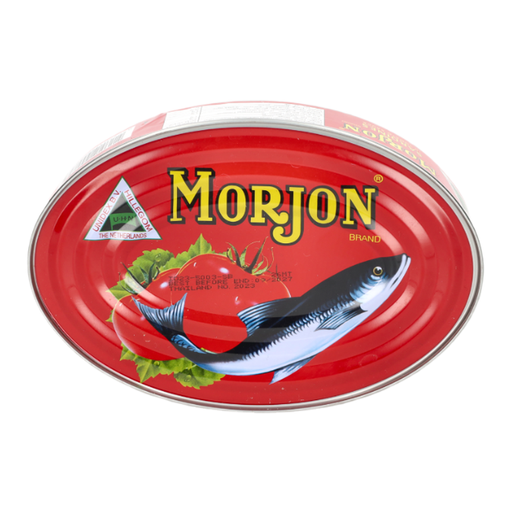
Why this product suits this profile : At 425 g, this format is ideal for family meals served with rice, pasta or bread.
Its family-sized format avoids the need to buy several small tins, while its composition clearly distinguishes the fish, sauce and allergens.
425 g, can be stored at room temperature before opening, with 18.3 g of protein per 100 ml according to the information provided.
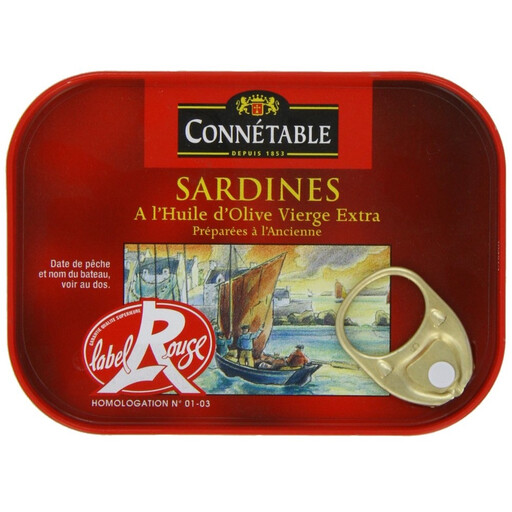
Why this product suits this profile : This French product is aimed at sardine lovers who enjoy eating them simply, on bread or with potatoes.
The ingredients are refreshingly simple: sardines, extra virgin olive oil and salt. There is no complex sauce to decipher.
135 g, 24 g of protein and 1 g of salt per 100 g according to the product information; traceability details shown on the tin.
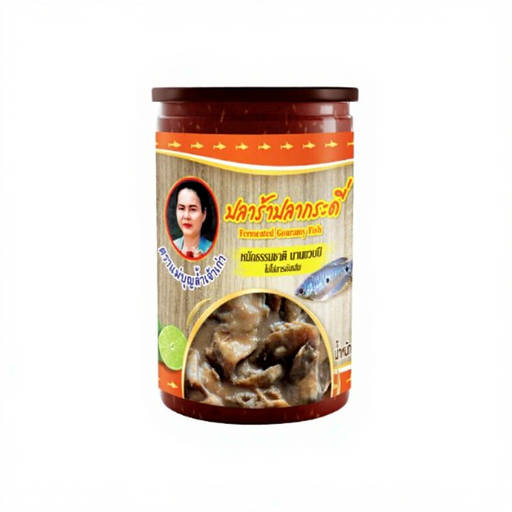
Why this product suits this profile : This product is intended for people who regularly cook Thai or South-East Asian recipes.
Its culinary use is clear, and its intense aroma leaves no doubt that this is not a neutral tinned product intended to be eaten on its own.
500 g format, made with 75 % gourami, salt and ground toasted rice.
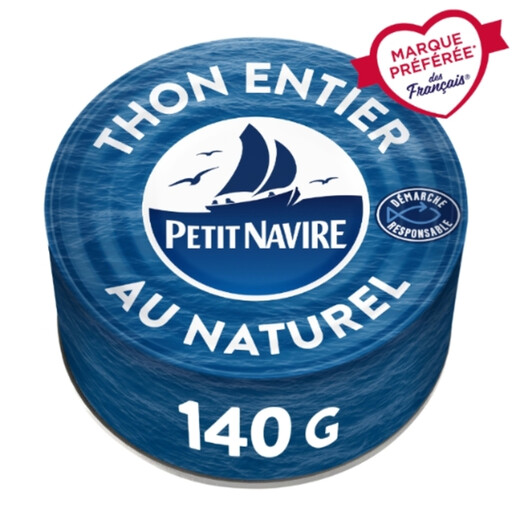
Why this product suits this profile : Its individual format is perfect for salads, sandwiches or fillings, with no lengthy preparation required.
The label clearly distinguishes the 140 g total weight from the 98 g drained weight, making portion comparisons easier.
Tuna, water and salt are the only ingredients, with 25 g of protein per 100 g drained according to the information provided.
We have brought together a complete, real-time selection of products that meet these demanding criteria and European food safety requirements.
Yes, when it is labelled ready to eat. Sardines, tuna in spring water and tinned mackerel can be enjoyed cold or added directly to a recipe. By contrast, raw frozen prawns must be thoroughly cooked, following the instructions on the packaging.
First, follow the manufacturer’s instructions. If no specific guidance is provided, transfer the contents to an airtight container, place it in the fridge and eat it promptly. The storage period depends on the recipe: some products recommend 24 hours, while others allow up to three days.
Choose sardines in tomato sauce or oil for toast and Mediterranean dishes, tuna in spring water for salads and sandwiches, and mackerel fillets in olive oil if you enjoy soft textures and more pronounced flavours. In more specialised cooking, dried anchovies and fermented fish are mainly used to add flavour to dishes.