When choosing thick cream for a toddler’s meal or snack, take their age, the recipe and their other dairy foods into account. Cream should not replace milk or be served as a snack on its own. When comparing full-fat and light versions, check the details of each product. If you use cream regularly, choose a pack you can finish in line with the storage instructions after opening.
Who is this guide for?
Parents of children aged 1 to 3 preparing a snack
You’re thinking of adding a little cream to a dish. Manger Bouger reminds parents that milk continues to play an important part in a child’s diet from the age of one. Cream used in cooking is not a substitute for milk.
Households that use cream regularly
You’re looking for a pack size that suits your usual recipes, without having to throw the rest away. Compare the net quantity, use-by date and storage instructions for after opening.
Anyone choosing between full-fat and light cream
You want to achieve the texture your recipe calls for while comparing fat content and ingredients. The word “light” alone isn’t enough to tell you whether a particular product is suitable for a child under 3.
What should you check before buying?
When choosing cream for a dish intended for a toddler, first check whether it’s suitable for their age and diet, then choose the product and quantity that fit the recipe. The “4 pint” label doesn’t replace the net quantity shown on the packaging.
| What to consider |
What to check |
Who is this relevant to? |
| Age and place in the diet |
Check the child’s age, the product’s ingredients and allergens, and the role the cream will play in the dish. |
If I’m preparing a snack for a young child, I want to know whether this ingredient fits with what they already eat; around 42% of consumers would put this question first. |
| Pack size and storage |
Check the net quantity, use-by date and storage instructions for after opening. |
If I use cream several times a week, I’d rather choose a pack I can finish in time; for around 33% of consumers, this would be the main priority. |
| Texture and fat content |
Compare the fat content and ingredient lists of full-fat and light options for the recipe you’re making. |
To get the texture I want, I’d rather compare the ingredients than rely on the word “light” alone; around 25% of consumers would put this choice first. |
Common mix-ups to avoid
-
Treating cream as a substitute for milk
Cream added to a recipe doesn’t have the same role as a serving of milk. Manger Bouger says that milk remains part of a child’s diet from the age of one.
Consider your child’s age and diet before adding cream to a dish for them, rather than making it their main snack.
-
Choosing a large pack based on the size label alone
A household may use cream regularly but still not finish a very large pack within the recommended time after opening. “4 pint” or “family size” doesn’t mean you can skip checking the net quantity.
Check the actual weight or volume, use-by date and instructions for after opening. The Ministry of the Economy explains that once a product has been opened, its use-by date is no longer enough on its own.
-
Assuming “light” means “suitable for under-threes”
Manger Bouger says that 0%, skimmed and semi-skimmed products aren’t suitable for children under 3. This guidance doesn’t tell you whether a particular light cream is or isn’t suitable for every child.
Compare the specific product, its ingredients and the quantity the recipe calls for. If you have questions about your child’s age, weaning or an allergy, seek advice tailored to their needs.
Brands to compare
Elle & Vire
Elle & Vire offers full-fat thick cream with 30% fat in a 324 g pouch, as well as a light version with 12% fat in a 328 g pouch.
- According to the brand’s product information, the full-fat version contains cream and lactic cultures; the light version also contains starch.
- The ingredients and fat content of these two products alone don’t determine whether either is suitable for a particular child.
Carrefour Classic'
The range shown by Carrefour France includes Carrefour Classic' thick fresh creams in different pack sizes, including full-fat options with 30% fat.
- The products shown let you compare net quantity and fat content before making your choice.
- Check the label of the product you buy: pack size or ingredients can vary between products from the same brand.
Bridélice
The Bridélice products shown in the Carrefour France range include light thick creams and UHT semi-thick creams.
- The name of each product helps you identify the texture you’re looking for in a recipe.
- UHT semi-thick cream is a different category from thick fresh cream. Be sure to check the ingredients and fat content of the product you choose, too.
Thick cream available on Joybuy
This Joybuy product is a small pack of thick cream to consider as an ingredient in a dish, provided you check the label and make sure it’s suitable for the child and the intended use.
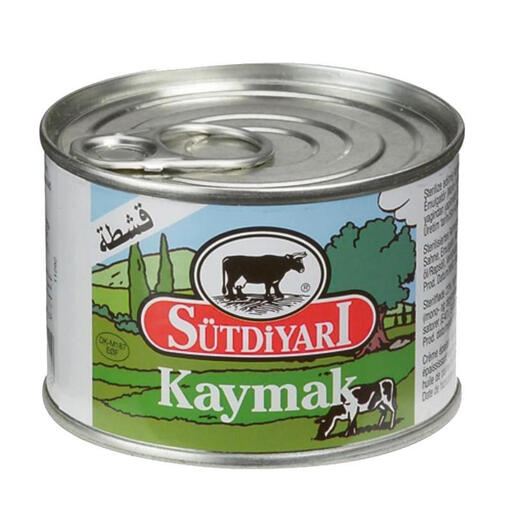 Image unavailable
Sutdiyari Thick Cream 23%, 170 g
This 170 g pack could suit a recipe that calls for cream. First check whether the dish is suitable for the child’s age and diet.
The product name states that it contains 23% fat. Before buying and using it, check the packaging for ingredients, allergens and storage instructions.
View on Joybuy
Frequently asked questions
Can thick cream replace milk or be served as a snack to a toddler on its own?
No. Cream used in a dish doesn’t replace milk or, on its own, make a suitable snack for a child. Manger Bouger reminds parents that milk remains part of a child’s diet from the age of one. Consider the child’s exact age and everything they eat.
Is light cream automatically suitable for a child under 3?
No. The word “light” isn’t enough to judge a specific product. Manger Bouger says that 0%, skimmed and semi-skimmed products aren’t suitable for children under 3. Check the ingredients of the cream you’re considering, and take the recipe and the child’s age into account.
How should I choose a pack size if I use cream regularly?
Choose a quantity your household can finish while following the storage instructions for after opening. Compare the net quantity and use-by date of the products you’re considering, rather than relying on a large-pack label alone.
What should I check once the cream has been opened?
Follow the temperature and time limits for after opening shown on the packaging. The Ministry of the Economy explains that the use-by date given for an unopened product no longer applies in the same way once it has been opened.


