People who want a quick lunch
Whether you’re serving pasta, vegetables or leftovers, you’ll want a cream with a texture that suits the dish and a pack size you can finish.


For lunch sauces, pasta or vegetables, start by choosing the fat content: the full-fat thick cream products mentioned are around 30%, compared with 15% for the lighter versions. Then choose a pack size that suits how often you use it. A larger pack is only worthwhile if you can finish it while following the storage instructions after opening. If you’re looking for “4 pints” or 2 litres, check the net quantity and product description rather than assuming it’s thick cream intended for home use.
Whether you’re serving pasta, vegetables or leftovers, you’ll want a cream with a texture that suits the dish and a pack size you can finish.
A 45–50 cl tub could work for several meals, as long as you plan how to use it after opening and follow the storage instructions.
The ingredients list and declared allergens are essential when choosing a product. Lactose intolerance and milk allergy are not the same condition, as explained by Assurance Maladie.
For a homemade lunch, start with the dish you have in mind, then choose a pack size that suits the number of meals you’re planning. The products listed by Auchan and E.Leclerc show that fat content and ingredients can vary between thick creams.
| What to consider | What to check | Who it matters to |
|---|---|---|
| Texture for your dish | The “thick” product description and fat content; for a sauce, check the usage instructions for that specific product. | If I mainly want a rich texture to finish a dish or make a sauce, this is my first consideration; around 31% of consumers would prioritise it. |
| Fat content | The percentage shown and the ingredients list for the lighter product you’re considering. | I’m looking for thick cream with 15% rather than 30% fat, without assuming the two recipes are the same; around 23% of consumers would put this first. |
| Pack size and use after opening | The net quantity, use-by date and storage instructions after opening. | I’m planning several lunches, but don’t want to leave a large opened tub without a plan for using it; pack size would be the main consideration for around 31% of consumers. |
| Ingredients and allergens | The ingredients list and any allergens highlighted on the label. | Before thinking about texture or pack size, I need to know exactly what the product contains; around 15% of consumers would check this first. |
Full-fat thick crème fraîche, a lighter version and a dairy speciality product may have different product descriptions and ingredients.
Check the full product description, fat content and ingredients before choosing a product for your recipe.
According to Anses, the use-by date shown for an unopened product no longer applies in the same way once it has been opened. So a larger pack should suit the meals you have planned and the manufacturer’s instructions.
For occasional use, consider a small pack. If you’re planning several lunches, check the instructions for using the tub after opening.
Assurance Maladie distinguishes lactose intolerance, which affects the digestion of a milk sugar, from food allergy, which involves an immune response. So a lactose-related claim alone doesn’t tell you whether the product contains milk proteins.
If you need to avoid milk, check the ingredients and declared allergens on the specific product.
The brand offers a mainstream full-fat thick cream with 30% fat, separate from its professional range.
Carrefour’s range includes full-fat thick crème fraîche in a 50 cl pack and a lighter product weighing around 497 g.
Auchan offers full-fat thick crème fraîche with 30% fat in a 50 cl pack, as well as lighter versions with 15% fat.
E.Leclerc stocks Delisse full-fat thick crème fraîche with 30% fat and lighter versions with 15% fat, including 50 cl packs.
ALDI France offers Milsani full-fat thick crème fraîche with 30% fat and lighter versions with 15% fat in 50 cl packs.
This 170 g product is a small-quantity option. If you’re using it for a savoury lunch or a hot dish, check that your intended use is included in the product information.
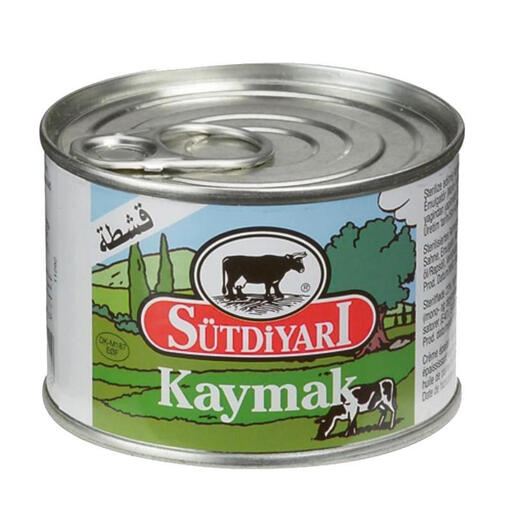 Image unavailable
The 170 g pack could be a good option if you want to buy a small quantity.
This product contains 23% fat, so it’s different from both the 15% and 30% versions mentioned above.
Before choosing this product for a savoury sauce or cooking, check the uses listed on the product page and label.
First, check the net quantity, exact product description and type of packaging. The phrase “4 pints” isn’t enough to identify a 2-litre bottle of thick cream. The French products listed by Carrefour, Auchan and E.Leclerc include packs from 20 to 50 cl. For a larger quantity, check the specific product and plan how you’ll use it after opening.
Read the product description, net quantity, ingredients, highlighted allergens, nutritional information and date shown on the tub. DGCCRF highlights the importance of clearly identifying allergenic ingredients. Also check the storage instructions for the product you choose.
No. For a product with a use-by date, Anses advises against eating it after that date. Once the tub is open, follow the storage and use instructions for after opening rather than relying only on the date printed for the unopened product.
No. “Lactose-free” doesn’t mean “dairy-free”. Assurance Maladie distinguishes lactose intolerance from food allergy. If you need to avoid milk, check the ingredients list and declared allergens for the specific product.