People keeping an eye on fat
You want to compare fat and saturated fat without necessarily taking cream out of your recipes. The French National Health Insurance recommends checking nutritional values per 100 g when shopping with diabetes in mind.


When shopping with diabetes in mind, compare cream’s nutritional values per 100 g, then consider how much you’ll use in your dish. A lighter option may suit you if reducing fat is a priority, while full-fat cream can work well in recipes that call for it. A 3 L pack makes sense for a large household only if you can store it properly and use it within the stated time after opening.
You want to compare fat and saturated fat without necessarily taking cream out of your recipes. The French National Health Insurance recommends checking nutritional values per 100 g when shopping with diabetes in mind.
You make sauces, bakes or soups and want a cream that suits the recipe, while also considering its composition and how much you add.
You’re considering a 3 L pack and need space for it in the fridge, as well as a plan to use it within the stated time after opening.
When choosing cream with diabetes in mind, start with the recipe and the amount you’ll actually use. Then compare the nutritional information per 100 g and check the storage instructions for the pack size you’re considering.
| Criteria | What to check | Who it matters to |
|---|---|---|
| Fat content | Compare fat and saturated fat per 100 g, then consider how much you’ll add to the dish. | I want to limit fat in my regular shopping without giving up all my cream-based recipes; this is the top priority for around 50% of consumers. |
| Cooking use | Check the product description — thick cream, semi-thick cream or a dairy speciality — and the uses recommended for your recipe. | For my sauces or bakes, I first look for a product suited to the dish; around 30% of consumers prioritise this cooking use. |
| Pack size and storage | Check the required temperature and how long the product keeps after opening. For a 3 L pack, plan how much you’ll use. | If I buy a large pack for the household, I need to be able to use it before the stated deadline; this is the main concern for around 20% of consumers. |
Elle & Vire’s semi-thick “Si Légère” is a dairy speciality made with light cream containing 4% fat, not full-fat cream. The name alone tells you nothing about its carbohydrate or sugar content.
Compare fat, saturated fat, carbohydrates and sugars per 100 g on the label, then check how much you plan to use in your recipe.
According to its product information, METRO Chef’s 3 L tub of thick crème fraîche must be kept between +2 and +6 °C and used within three days of opening.
Before choosing this pack size, make sure you’ll have enough meals or people to use it within that time. Otherwise, compare smaller or individually packed options.
An opened tub that you can’t finish within the stated time may end up going to waste.
These products show how names, fat content and pack sizes can vary. Check the label of the cream you’re thinking of buying.
The brand offers several semi-thick cream options with different fat contents.
Carrefour’s range includes light thick crème fraîche at 15% fat and full-fat versions at 30%.
Auchan’s range includes UHT semi-thick creams with 18% and 30% fat, as well as a dairy speciality with 4% fat.
A full-fat UHT semi-thick cream with 30% fat is available in a 1 L pack.
The brand offers thick crème fraîche with 30% fat in a 3 L tub, aimed in particular at food-service businesses.
This 170 g tub of thick cream is a smaller-pack option, rather than a 3 L family-sized purchase. When comparing it with other creams, consider its fat content and how much you’ll use in your dish.
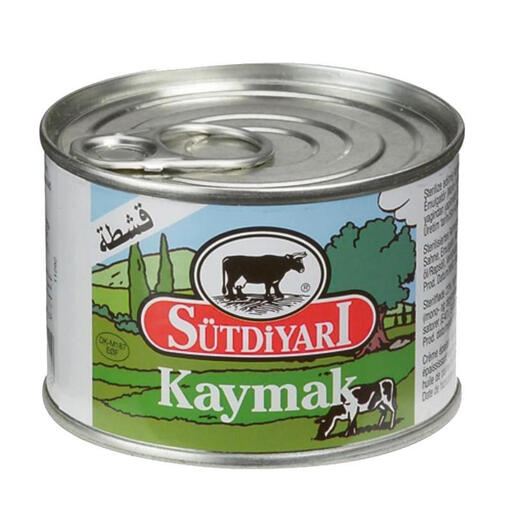 Image unavailable
This 170 g pack may suit you if you don’t plan to use a large tub. It contains 23% fat; use the nutritional values on the label to work out how much you’ll be adding to your dish.
The French National Health Insurance does not generally advise people with diabetes to avoid thick cream altogether. It recommends limiting high-fat foods, so check the cream’s composition and how much you use. For advice tailored to your situation, speak to your healthcare team.
First compare the values per 100 g on the same basis, then work out what the amount you add contributes to your dish. The French National Health Insurance recommends checking nutritional information. Pay particular attention to fat, saturated fat, carbohydrates and sugars, as well as the ingredients list.
Yes, if your household can use that amount within the storage conditions stated for the product. According to METRO France, its 3 L tub of METRO Chef thick crème fraîche must be kept between +2 and +6 °C and used within three days of opening. If that doesn’t suit your household, compare smaller packs.
No, the storage instructions before opening differ for the two products described here. The retailer’s product information for Président’s 1 L UHT semi-thick cream says to store it at room temperature, ideally below 18 °C, while METRO France says to keep its 3 L tub of thick crème fraîche between +2 and +6 °C. After opening, check each product’s label: both products must be refrigerated and used within three days.