Who is this choice for?

Runners planning their race-day fuelling

If you’re mainly wondering what to have before or during the marathon, treat that as a separate question from choosing an ingredient for cooking. The whole cream featured by Elle & Vire contains 3.1 g of carbohydrates per 100 g; the strategies described in Sports Medicine and the International Journal of Sport Nutrition and Exercise Metabolism focus on carbohydrates and hydration.

People cooking around their training

For a sauce, quiche or side dish, choosing between whole and lighter cream depends on the recipe, the pack size and the ingredients you want. It won’t, by itself, determine what you take with you for the race.

People who pay attention to ingredients

If fat content or composition matters to you, compare the labels of the specific products you’re considering. Also check the allergens, nutritional information, use-by date and storage instructions.

What should you look for before buying?

First decide whether you need an ingredient for a meal or something to fuel you during the race. For a recipe, compare the pack size, fat content and ingredients; thick cream isn’t grated cheese, even though both can be used in a dish.

Criterion What to check Who is it for?
Role in your race-day nutrition Keep cream used in cooking separate from the food and drinks you plan to have during the race; check the carbohydrates per serving. If I’m looking for something to fuel me during the marathon, I don’t want to confuse cooking cream with my carbohydrate and drink intake. Around 50% of consumers prioritise this fuelling need.
Use in a recipe Choose a quantity and pack size that suit the dish, then check the use-by date and storage instructions. When I’m making a sauce or quiche around my training, I’m mainly looking for a product that’s practical for the recipe. Around 30% of consumers prioritise cooking.
Fat content and composition Compare the fat percentage and ingredients of each product, including any thickeners. When I’m cooking, I want to choose between whole cream and a lighter version with the ingredients in mind. Nearly 20% of consumers prioritise checking composition and fat content.

Common pitfalls to avoid

  • Treating cream as a source of race-day carbohydrates

    The whole cream featured by Elle & Vire provides 3.1 g of carbohydrates and 30 g of fat per 100 g. It doesn’t have the same role as carbohydrates in the marathon strategies described in Sports Medicine and the International Journal of Sport Nutrition and Exercise Metabolism.

    Keep cream for the recipe you have in mind, and plan separately what you’ll eat and drink during the race. Test your strategy in training.

  • Relying on the word ‘light’ alone

    The Carrefour Classic’ product information for a light thick cream with 15% fat lists modified starches and pectins. Its composition differs from that of the whole Carrefour Classic’ product studied, which has 30% fat.

    Compare the fat content and ingredients of the products you’re considering, and don’t assume that ‘light’ cream is suitable for fuelling.

  • Forgetting to check the label and storage instructions

    Milk is listed as an allergen in the products studied. An Elle & Vire product page featured by Auchan states that the product in question should be kept refrigerated at a maximum of +6 °C.

    Check the allergens, use-by date and storage instructions on the packaging of the cream you choose.

Thick cream brands to know

Elle & Vire

The range studied includes whole and light thick creams.

  • According to Elle & Vire, its 324 g resealable pouch of whole Normandy thick cream contains cream and lactic cultures; it has 30 g of fat and 3.1 g of carbohydrates per 100 g.
  • These figures describe this cooking cream, not a source of carbohydrates for marathon fuelling. Check the exact product if you’re looking for a different fat content.

Carrefour Classic’

The products reviewed are pot-sized thick fresh creams, one whole and one light.

  • According to Carrefour’s product information, the whole version with 30% fat contains pasteurised fresh cream and lactic cultures.
  • The light version reviewed has 15% fat and contains modified starches and pectins, among other ingredients. Compare the ingredients if you switch versions.

Milsani

The Aldi product page reviewed features a light thick fresh cream made with French milk, in a 50 cl pack.

  • According to Aldi, this Milsani product has 15% fat.
  • To compare it with another cream, check the ingredients and nutritional information on the packaging.

Président

The product featured by Carrefour is a pot of whole thick fresh cream, in a 20 cl size.

  • The product information lists 30% fat, cream sourced from France and lactic cultures.
  • Your choice depends on the recipe and the quantity you need; these details don’t indicate whether it’s suitable for race-day fuelling.

Thick cream for cooking

This thick cream is intended for cooking around your training. For the marathon itself, choose your fuelling separately and test your strategy in training.
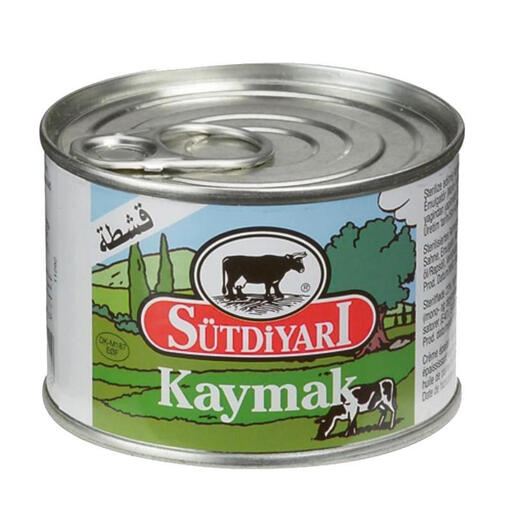
Sutdiyari Turkish thick cream 23%, 170 g

Sutdiyari Turkish thick cream 23%, 170 g

Worth considering for a recipe that calls for thick cream, if the 170 g pack is the right size for the amount you need.

The product name states 23%; check the packaging to see what this percentage refers to, and review the ingredients, nutritional information and storage instructions.

View on Joybuy

Frequently asked questions

Can thick cream be used to fuel you during a marathon?

Don’t choose it as your main source of carbohydrates for the race: the whole cream featured by Elle & Vire contains just 3.1 g per 100 g. Marathon strategies published in Sports Medicine and the International Journal of Sport Nutrition and Exercise Metabolism include carbohydrates and hydration; practise in training with the foods and drinks you plan to have.

Whole or light cream: which should you choose for a recipe?

Choose according to the fat content and ingredients you want for your dish. The Carrefour Classic’ products studied include a whole cream with 30% fat, made from pasteurised fresh cream and lactic cultures, and a light version with 15% fat that contains modified starches and pectins, among other ingredients.

What should you look for on the packaging of thick cream?

Check the ingredients, allergens, fat content, nutritional information, quantity, use-by date and storage instructions. For pre-packed food sold in France, the Directorate-General for Competition Policy, Consumer Affairs and Fraud Control reminds shoppers that allergenic ingredients must be identified and highlighted.