Who is this choice for?

Parents starting their baby on solid foods

Wondering whether thick cream should be on your baby’s first food shopping list? For a healthy infant, ameli recommends starting complementary feeding after the age of 4 months and no later than 6 months. Cream is not a substitute for breast milk or infant formula.

Families making homemade purées

You might be blending vegetables or adapting family meals, and want to understand the difference between fresh thick cream and UHT semi-thick cream. Ingredients, texture and storage instructions can vary by product, as shown in the product information from Auchan and Elle & Vire.

Parents keeping an eye on milk allergens

Before using cream in a dish for your child, you need to check whether it contains milk. The French Ministry of the Economy says that allergens in prepacked foods must be clearly highlighted in the ingredients list. If your child has a diagnosed or suspected cow’s milk protein allergy, ask their healthcare team for advice.

What to check before buying

First, decide whether cream belongs in a recipe that’s suitable for your child’s stage of complementary feeding. Then choose the product and pack size based on how you’ll actually use it.

Priority What to check Who it matters to
Age and the role of milk For a healthy infant, complementary feeding starts after the age of 4 months and no later than 6 months, according to ameli. Cream is not a substitute for breast milk or infant formula. If I’m introducing my baby’s first foods, I want to avoid replacing a breastfeed or bottle with a cooking ingredient. Around 36% of consumers would put this first.
Allergens and ingredients Check the ingredients list and milk allergen information on the pack you buy. Don’t assume that “lactose-free” means a product contains no milk proteins. If milk needs particular attention, I need to be able to identify the ingredients clearly before preparing a meal. Around 29% of consumers would prioritise this check.
Pack size and leftovers Compare the net quantity with how often you cook, and read the storage instructions after opening. Don’t assume that a 2-litre bottle is available. If I only add cream to family meals occasionally, I’d prefer a pack I can use as directed. Around 21% of consumers would prioritise pack size.
Type of cream and storage Know the difference between fresh thick cream and UHT semi-thick cream. Check the fat content and storage instructions for the specific product. To get the right texture in a recipe, I need to know what I’m buying and how to store it. Around 14% of consumers would put the type of cream first.

Mistakes to avoid

  • Thinking of cream as a substitute for milk

    During complementary feeding, breast milk or infant formula should remain the foundation of your baby’s diet, according to ameli. Thick cream does not serve the same purpose as a breastfeed or bottle.

    Only consider buying cream for a specific cooking purpose, once complementary feeding has begun.

  • Relying on claims such as “light” or “lactose-free”

    These claims don’t tell you everything about a product’s ingredients or whether it contains milk proteins. Manger Bouger also says that 0%, skimmed and semi-skimmed dairy products aren’t suitable for children under 3.

    Read the product name, ingredients and allergen information on the pack. If an allergy has been diagnosed or is suspected, ask your child’s healthcare team for advice.

  • Choosing a large pack without planning for what happens after opening

    Using cream occasionally can leave some unused. Auchan’s product information for its 50 cl tub of fresh thick cream says to store it between +2 °C and +6 °C and use it soon after opening.

    Choose a quantity that suits the recipes you have planned, and follow the storage instructions for the product you buy.

  • Relying solely on a product listing

    Auchan notes that ingredients may vary depending on where and when a product is bought. So, check the packaging of the product you receive for its ingredients and allergen information.

    Also check the quantity, date and storage instructions before using the cream.

Brands to compare

Elle & Vire

Elle & Vire offers 30% fat UHT semi-thick cream in 25 cl x 2 bottles, as well as fresh whole thick cream in a 324 g pouch.

  • The brand’s product information makes it easy to compare the pack sizes and ingredients of these two products.
  • UHT semi-thick cream and fresh thick cream have different ingredients, so check the exact product name before choosing one for a recipe.

Auchan

Auchan’s 50 cl whole fresh thick cream contains 30% fat.

  • The product information lists pasteurised milk cream and lactic cultures, along with instructions to keep it chilled.
  • Auchan notes that ingredients may vary depending on where and when the product is bought, so check the label on the item you receive.

Carrefour Classic'

Carrefour’s range includes 30% fat whole fresh thick cream under the Carrefour Classic' brand, in 196 g and 50 cl packs.

  • These pack sizes make it easy to compare quantities with the amount you expect to use in your cooking.
  • To choose a specific product, read its full product information and check the packaging for ingredients and storage instructions.

Cream for occasional cooking

This 170 g pack could be suitable for a family recipe once your baby has started complementary feeding, but it should not replace breast milk or infant formula.
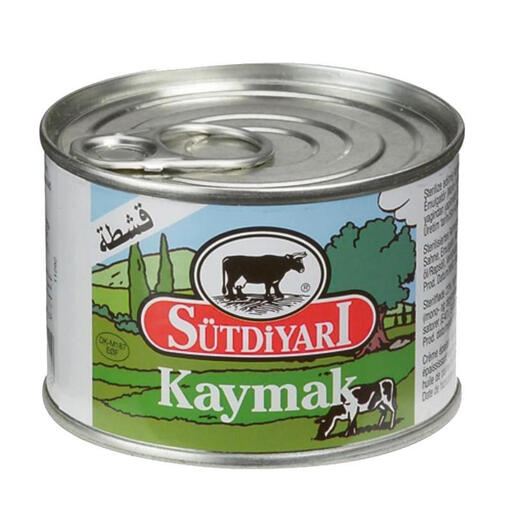
Sutdiyari Thick Cream 23% 170g Turkish thick cream

Sutdiyari Thick Cream 23% 170g Turkish

The 170 g pack could suit occasional cooking once your baby has started complementary feeding. This cream should not be used as a substitute for milk.

The product name states that it contains 23% fat. Before using it, check the packaging for ingredients, milk allergen information and storage instructions.

View on Joybuy

Frequently asked questions

Can you give thick cream before your baby is 4 months old?

No, not as part of complementary feeding for a healthy infant. According to ameli, complementary feeding should not start before the age of 4 months. Cream is not a substitute for breast milk or infant formula.

Is thick cream necessary when starting complementary feeding?

No. Manger Bouger lists plain yoghurt, fromage blanc, petits-suisses and cheese among the dairy products to offer in rotation. For added fats, its guidance mainly recommends oils and, occasionally, butter. It doesn’t suggest that thick cream is an essential purchase.

How can you identify milk allergens in cream?

Read the ingredients list on the packaging of the product you buy. The French Ministry of the Economy says that allergens in prepacked foods must be listed and highlighted. A “lactose-free” claim alone doesn’t rule out the presence of milk proteins.

Should you look for a 2-litre bottle of thick cream?

Choose a quantity that suits your recipes and the storage instructions after opening, rather than counting on a 2-litre pack. Products from Auchan, Carrefour and Elle & Vire include 50 cl, 196 g, 324 g and 25 cl x 2 packs. If you’re looking for another size, check what your shop has available.