
Livraison le jour même ou le lendemain

Qualité garantie

Débloquez vos offres de bienvenue: Livraison GRATUITE | Jusqu'à -80 % | 30 jours d'essai gratuits à JoyPlus
Téléchargez l'application
A window lets in a draught, a door rattles despite a worn seal, a portable air conditioner pushes hot air back through the opening, or a late frost threatens your plants. Thermal insulation and protection products cover a wide range of needs. Yet packaging often lists general performance figures without specifying dimensions, compatible materials or conditions of use.
Before you buy, three pitfalls are particularly common:
For joinery, the choice depends on the area to be treated. A transparent silicone sealant for windows is suitable for joints between the frame and the casing, particularly around windows, doors or skylights. A self-adhesive weatherstrip for doors and windows will be better suited to a regular gap running all around an opening.
With a portable air conditioner, a window seal strip for portable air conditioners needs to be long enough and designed to limit hot air from coming back in through the window. Lengths of 3 or 4 metres should be compared with the actual perimeter of your opening.
In the garden, winter fleece and anti-frost plant protection fabric generally let air, light and water through. Horticultural protection film, on the other hand, can be waterproof and intended for forming a tunnel or temporary cover.
Width, length and thickness are practical details, not just marketing claims. For a seal, measure the gap in several places: an old window frame may have irregularities. When protecting crops, also allow extra material to cover the sides and secure it to the ground.
The density of a horticultural fabric, given in g/m², tells you about its structure. A 17 g/m² fleece is lightweight and suitable for laying directly over young plants. A 30 g/m² fabric offers a more structured cover for cold periods or larger plants. However, keep an eye on the temperature under the cover during sunny days.
Before applying a sealant, make sure the surface is clean, dry and degreased. The Rubson product featured here adheres to glass, metal, wood, PVC, brick, concrete and other common surfaces. Its data sheet does, however, note incompatibility with bitumen, polyethylene, polypropylene and PTFE.
For electrical work, check the stated voltage and the applicable standard. The Scotch tape selected here mentions the IEC 60454-3-1 standard and a use rating of up to 5,000 V according to the product sheet. This information does not, of course, remove the need to cut the power and follow electrical safety rules.
Finally, any material installed outdoors must be properly secured. A film or fleece that is not weighed down can shift in the wind, get in the way or tear on a sharp edge.
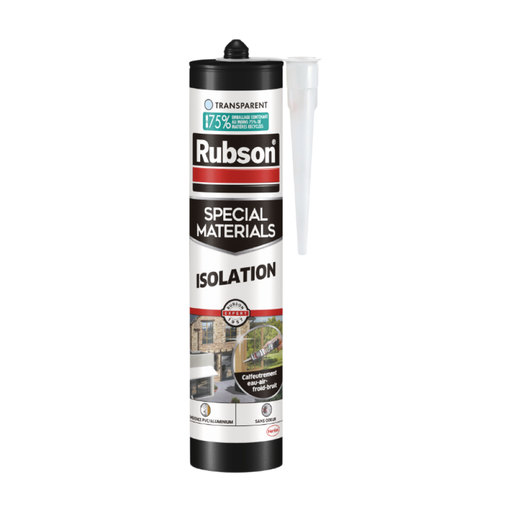
Why this choice suits this profile: This 280 ml cartridge is ideal for small repairs around windows, doors and skylights, with a transparent, discreet finish.
The data sheet lists compatible surfaces and those to avoid, reducing the risk of adhesion problems.
A one-component silicone, a flexible seal and compatibility with several common materials.
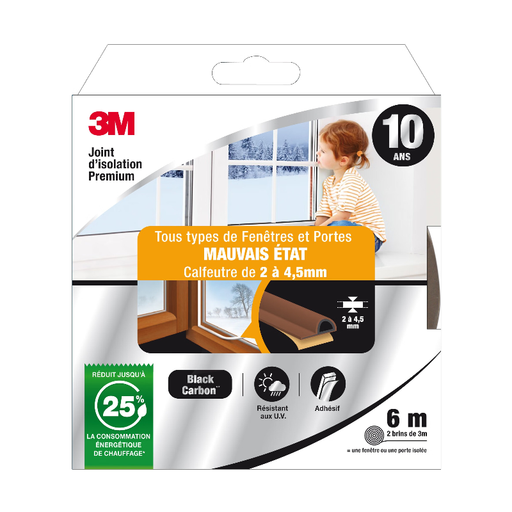
Why this choice suits this profile: This 6 m brown seal is designed for frames with a gap of 2 to 4.5 mm, particularly in wood, PVC or aluminium.
The stated gap range lets you check compatibility before fitting, rather than choosing based on appearance alone.
Reinforced rubber, UV resistance and tool-free installation on a properly prepared surface.
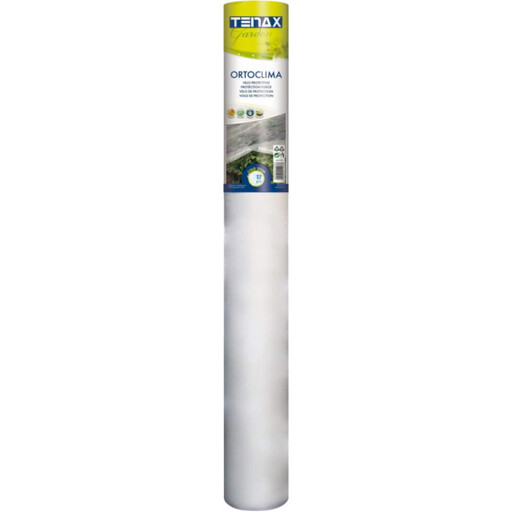
Why this choice suits this profile: This extra-long roll is aimed at market gardeners, nursery growers and gardeners who regularly cover large areas.
The 30 g/m² density and format are clearly stated, making it easy to calculate the area to be covered.
UV-stabilised polypropylene, permeable to air, water and light. Ground fixing is still required.
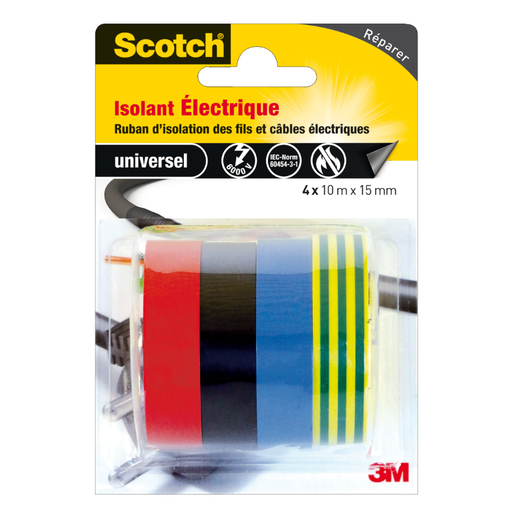
Why this choice suits this profile: The available colours make it easy to identify conductors during maintenance, bundling or insulation work.
The stated voltage, format and IEC reference are all on the data sheet, rather than being left implied.
A flame-retardant material according to the data sheet, 15 mm width and several colours for easy identification.
For seasonal use, the Tenax Ortoclima 1.6 × 5 m or 1.6 × 10 m formats let you cover rows, potted plants or small tunnels. For an air conditioner window, also compare the 3 m seal strip and the 4 m version against the dimensions of your opening.
We have put together a comprehensive, real-time updated list of products that meet these strict selection criteria as well as European safety requirements.
Start by measuring the gap. A self-adhesive seal works well for regular, easily accessible spaces, while a silicone sealant can form a continuous seal between compatible surfaces. Application must be done on a clean, dry, degreased surface.
It provides physical protection against cold, wind and some weather, but its effectiveness depends on the weight, how it is fixed, the duration of exposure and the temperature. Allow air to circulate, watch out for warm days and avoid the fabric pressing down on delicate plants.
The cost mainly depends on the area to be treated and how often it needs replacing. A large roll of horticultural fabric can suit a smallholding or large garden, while a smaller format keeps the initial outlay low for just a few plants. For protection against draughts and moisture, preparing the surface and choosing the right dimensions matter just as much as the purchase price.