
Livraison le jour même ou le lendemain

Qualité garantie

Débloquez vos offres de bienvenue: Livraison GRATUITE | Jusqu'à -80 % | 30 jours d'essai gratuits à JoyPlus
Téléchargez l'application
With its unique floral aroma and soft, fluffy texture, jasmine rice is a cornerstone of Asian cuisine that has become a staple on our plates. The problem? In supermarkets or specialty grocery stores, the rice aisle can feel like a maze. Between vague labels, promises of a "new crop," and a proliferation of sizes, choosing the right bag often turns into a headache.
As the Head of Product Recommendations at Joybuy, I'm here to help you make sense of it all. This guide breaks down the labels for you and gives you the keys to selecting the Thai jasmine rice that's perfectly suited to your needs, whether you're cooking for one person, a large family, or for customers. The goal is to help you avoid marketing traps and make the right choice with confidence.
Don't be fooled by promising packaging. Here are three key points to keep in mind to ensure you never regret your purchase:
For a successful purchase, focus on these few objective parameters.
Yes, without a doubt. The Thai Hom Mali Rice designation is an official certification issued by the Thai government. It guarantees a specific variety (KDML 105 or RD15), cultivation in specific regions of Thailand, and a purity standard (at least 92% Hom Mali rice). It's the most reliable benchmark to buy authentic Asian rice, famous for its delicate aroma and soft, fluffy texture when cooked.
These terms primarily refer to the percentage of whole grains. A superior quality rice contains very few broken grains. The rule is simple: the fewer the broken pieces, the better the grains will separate during cooking for a light and airy texture. This is a crucial criterion if you're looking for the perfect rice for a curry or for dishes where presentation matters. For daily use or in recipes like rice porridge (congee), a version with a few more broken grains will do the job perfectly and be more budget-friendly.
The ideal size depends entirely on your consumption.
Rather than an endless list, we've matched specific products to user profiles. There's a perfect rice for everyone!
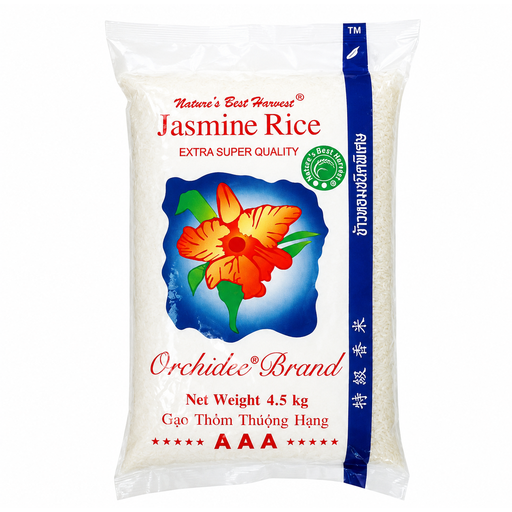
The verdict: This 4.5 kg size is an excellent compromise for regular family consumption. It allows you to enjoy high-quality rice without being burdened by an overly large bag, ensuring good stock rotation and therefore consistent freshness.
The AAA Quality label here is a true indicator of a low percentage of broken grains, not just a marketing gimmick. The intermediate size avoids the risk of degradation associated with the long-term storage of a large bag.
A versatile and reliable rice for all uses, from a simple side dish to fried rice, with a soft texture and grains that hold their shape perfectly.
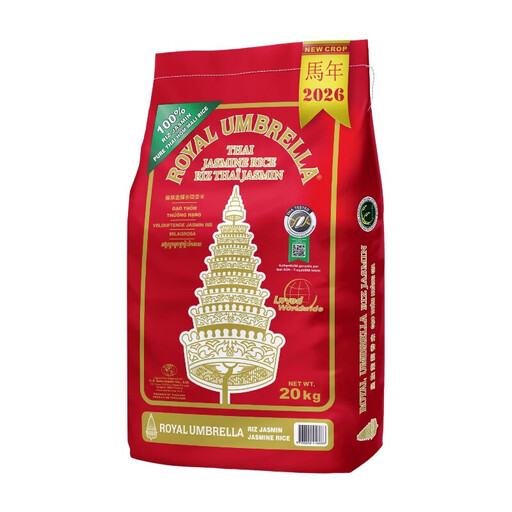
The verdict: For heavy use, consistency is key. This 20 kg bag of jasmine rice from the Royal Umbrella brand boasts the Thai Hom Mali designation and BRC certification, ensuring consistent quality and impeccable traceability—two non-negotiable criteria for professionals.
It relies on objective certifications (Hom Mali, BRC) rather than vague promises. This is an essential mark of reliability for a bulk purchase of Thai rice.
A very attractive price-to-quality ratio for a large volume, with the guarantee of consistent texture and aroma, which is essential in a professional setting.
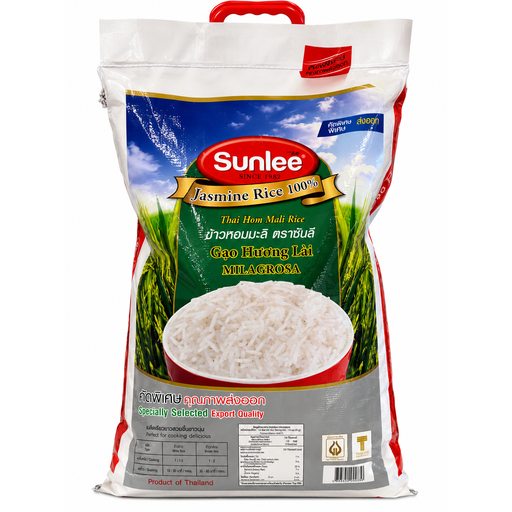
The verdict: For those who prioritise freshness and aromatic intensity above all else, this Sunlee rice is the perfect choice. With its clear "New harvest 2026" mention, it targets connoisseurs looking for an exceptional product to elevate their dishes, especially a good rice for curry.
Here, the "new crop" promise isn't just wishful thinking: it's concrete and dated (2026). Combined with the Hom Mali designation and the "premium" label, it offers complete transparency.
A particularly intense floral aroma and a very tender texture, typical of freshly harvested rice. The 10 kg size is suitable for regular use by enthusiasts.
We have put together a complete selection of products that meet our selection criteria and current regulations.
Although they are both long-grain and aromatic, they are two very distinct types of rice. Jasmine rice, native to Southeast Asia, has a floral aroma and a soft, slightly sticky texture after cooking. Basmati rice, which comes from the Indian subcontinent, has nuttier, more earthy aromas, and its grains remain firmer and perfectly separate.
To preserve the freshness and aroma of your Thai rice in bulk, the secret is to transfer it into one or more large, airtight containers. Store them in a cool, dry place away from direct sunlight. Proper storage is the key to ensuring your rice retains all its qualities for many months.
Yes, it's absolutely essential! Rinse it under cold water several times, until the rinsing water runs almost clear. This simple step removes excess surface starch, which prevents the grains from clumping together during cooking and guarantees a much lighter, airier texture.