
Livraison le jour même ou le lendemain

Qualité garantie

Débloquez vos offres de bienvenue: Livraison GRATUITE | Jusqu'à -80 % | 30 jours d'essai gratuits à JoyPlus
Téléchargez l'application
Looking for Japanese teriyaki products to prepare a quick meal, add flavour to chicken or fill a lunchbox? The online range goes far beyond sauces: it also includes teriyaki instant noodles, ramen, yakisoba, udon and a variety of snacks. However, the simple word ‘teriyaki’ is not enough to compare products.
Three mistakes are particularly common:
For lunch at the office or a meal between classes, a bowl ready in just a few minutes helps reduce washing-up and time spent in the kitchen. Noodles in sachets generally require a saucepan or a bowl filled with boiling water. Yakisoba, on the other hand, is usually prepared without stock, with sauce mixed directly into the noodles.
Remember to check:
Teriyaki instant noodles are ideal for keeping in the cupboard. An onigiri sold from the chilled section, however, must be stored in the fridge.
Teriyaki sauce generally combines soya sauce with sugar or syrup, sometimes with mirin, garlic, ginger or vinegar. The ingredients list already gives you a useful indication of the product: a thin sauce is suitable for seasoning, while a thicker preparation is better suited to glazing.
To prepare teriyaki chicken, fish, tofu or vegetables, choose a bottle that clearly states how it should be used: as a marinade, for cooking, as a basting sauce or as an accompaniment. Yakitori sauce is mainly intended for skewers and grilled meat, so it may be more concentrated and sweeter.
In France, allergens must be clearly shown on the label. In this selection, soya and cereals containing gluten are particularly common. Some udon and snacks also contain sesame. If you have an allergy, check the packaging both when buying and before eating the product: recipes may change.
Also check the amount of salt per 100 g or 100 ml, rather than relying on descriptions such as ‘mild flavour’ or ‘intense taste’. For noodle multipacks, check whether the nutritional values refer to the dry product or to the product once prepared.
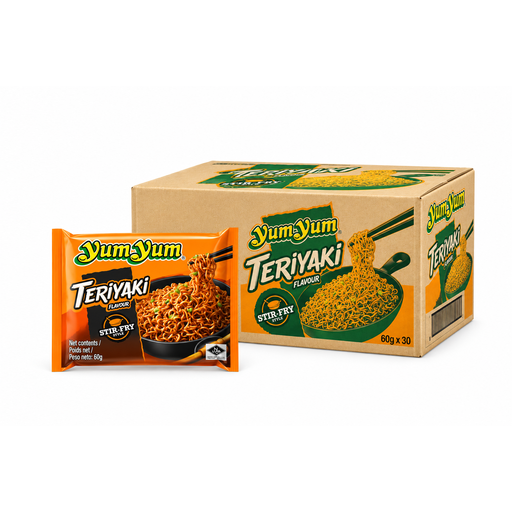
Why this choice suits this profile : With 30 portions of 60 g, this pack is ideal for students and households looking to stock the cupboard with quick meals that do not come with stock.
The total weight and number of sachets are stated clearly. As the noodles are prepared without stock, everyone can then add as many vegetables, eggs or other ingredients as they like.
30 individual portions, preparation with approximately 320 ml of water and a halal indication shown on the product listing. However, remember to check the packaging.
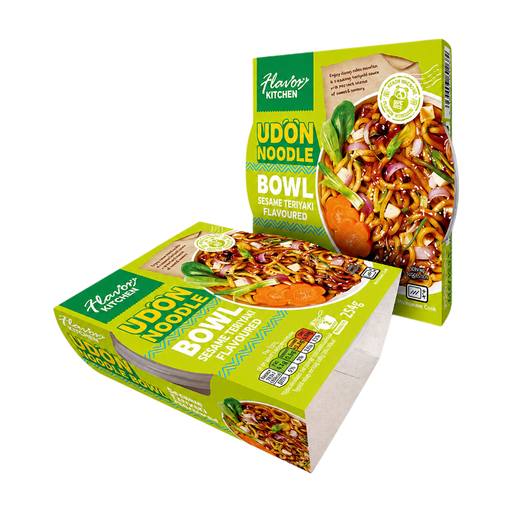
Why this choice suits this profile : This bowl combines thick udon noodles, sesame teriyaki sauce, dehydrated vegetables and a topping of toasted seeds.
The listing details the contents of the sachets, the approximately 20 ml of water required and the 2- to 3-minute microwave cooking time. This makes it easier to achieve the same result every time.
A 254 g portion with carrot, dehydrated spring onion and toasted sesame seeds. Important for those concerned about allergens: the product contains wheat, soya and sesame.
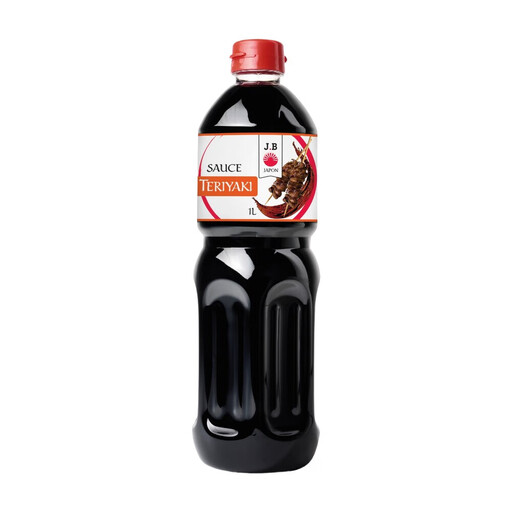
Why this choice suits this profile : Thanks to its large format, this sauce is suitable for families, regular teriyaki chicken recipes and kitchens where it is used for marinades, cooking or serving with rice.
The 1-litre bottle means you do not need to keep buying several small bottles. However, you will need enough cupboard space and must refrigerate the product after opening.
A 1 L format, with 28 g of carbohydrates and 3.2 g of salt per 100 ml according to the product listing. The recipe contains soya, wheat and sesame.
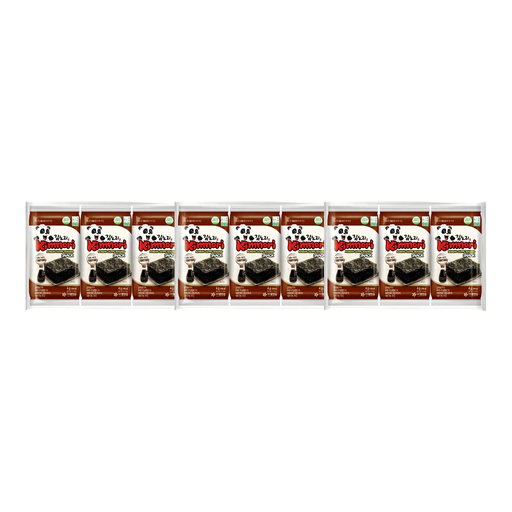
Why this choice suits this profile : These teriyaki-seasoned seaweed sheets can be eaten as they are, with rice or in a lunchbox, with no special preparation required.
The multipack contains three 4 g sachets. It is a practical way to portion out snacks without having to open a large pack.
The product is described as vegetarian and vegan, with approximately 20 kcal per sachet for guidance. However, it contains soya and wheat.
We have compiled a complete, real-time updated selection of products that meet these demanding criteria, in accordance with European safety regulations.
Teriyaki sauce is used for marinades, pan-cooked dishes and glazes. Yakitori sauce is traditionally associated with grilled skewers. Both may contain soya, sugar and wheat, but their texture and proportions vary from one recipe to another.
It all depends on the instructions on the label. Some sauces must be refrigerated after opening and consumed within a month. Close the bottle securely, use a clean utensil and follow the date specified by the manufacturer.
You need to check the ingredients for each product. Some noodles contain beef or chicken flavourings, while seaweed products are sold as vegetarian or vegan. To check halal certification, rely on the statement shown on the packaging and on the listing for the product concerned.