
Livraison le jour même ou le lendemain

Qualité garantie

Débloquez vos offres de bienvenue: Livraison GRATUITE | Jusqu'à -80 % | 30 jours d'essai gratuits à JoyPlus
Téléchargez l'application
Whether you're planning a weekend camping trip, a mountain hike, or simply looking for a play area for your kids, choosing a tent can quickly become overwhelming. Faced with a jungle of models, sizes, and technical specs, it's easy to feel lost.
This guide is here to help you cut through the noise. Our mission: to give you all the keys to finding the tent that truly fits your needs, away from the marketing hype.
Before diving into our selection, let's review the essential criteria that will guide your choice.
What will you use your tent for? This is the very first question to ask yourself. A hiking tent should prioritise being lightweight and compact, while a family tent will focus on space and comfort. For the little ones, a kids' play tent or a children's playhouse will provide a fun and safe space, both indoors and in the garden.
Capacity is another crucial point. A 2-person tent is often sufficient for a couple of hikers, but a family of four will want to opt for a 4-person model, or even larger, to ensure everyone is comfortable. Be sure to check the floor dimensions to make sure there's enough room for everyone, including luggage.
The time and effort you're willing to spend on setup are key factors.
A tent's waterproof rating is measured in Schmerber (mm). A rating of 1500 mm is sufficient for a light shower, but to withstand sustained rain, a rating of 3000 mm or more is highly recommended.
Seasonality is another point not to be overlooked:
To help you make your choice, we've reviewed three models that meet very different needs.
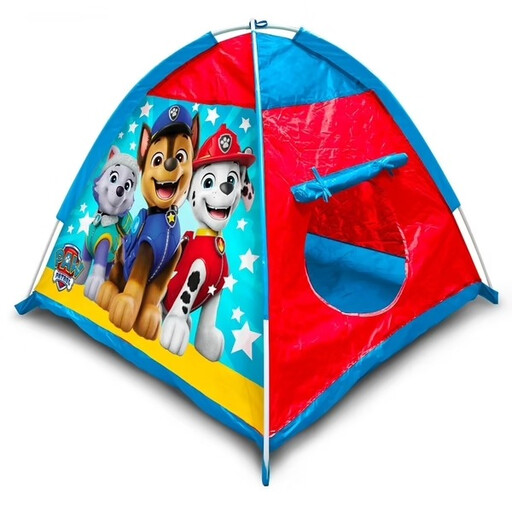
Why it stands out: This tent transforms any bedroom or garden into a headquarters for rescue missions. Its colourful design featuring the Paw Patrol stimulates the imagination and invites play.
Advantages:
Who is it for? Parents looking for an easy-to-install children's playhouse for kids aged 3 and up. It's an excellent choice for providing a dedicated play space and encouraging independence.
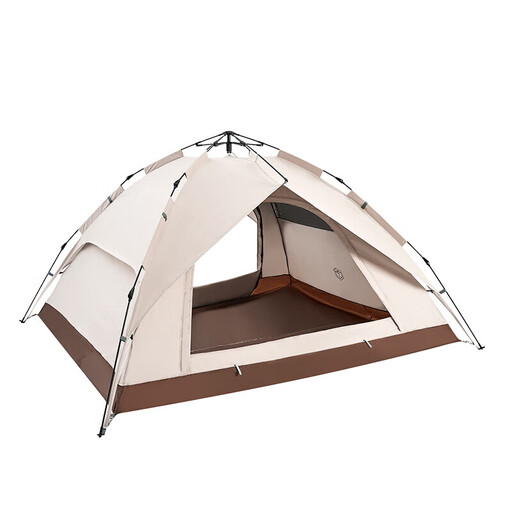
Why it stands out: This model combines the convenience of a pop-up tent with the protection of a dual-layer structure. Its automatic deployment mechanism greatly simplifies setup, a significant advantage after a long day on the road.
Advantages:
Who is it for? Campers and festival-goers looking for a reliable and quick-to-install camping tent. Its capacity and durability make it a smart choice for weekends outdoors.
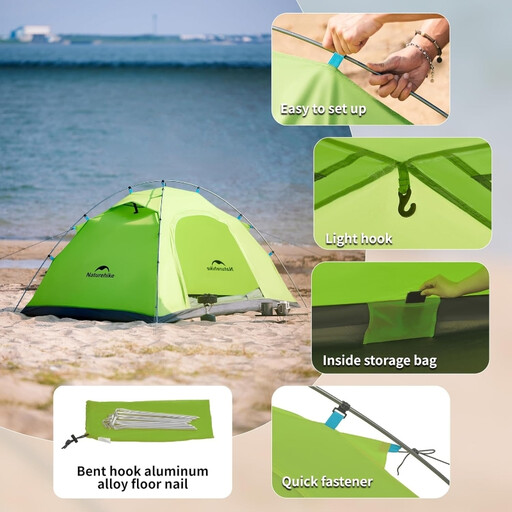
Why it stands out: Designed for adventure, this NatureHike tent focuses on light weight and performance. Its feather-light weight of just 1.65 kg makes it a prime companion for long treks where every gram counts.
Advantages:
Who is it for?Hiking and bivouacking enthusiasts who need a reliable, lightweight, and high-performance shelter. It's a wise investment for adventurous duos who make no compromises on the quality of their gear.
The models presented above cover common uses, but your needs may be more specific. If you're organising an outdoor event, a wedding, or a reception and are looking for a larger, more original structure, other solutions exist.
To discover options suitable for large groups or event setups, take a look at our selection of Outdoor Tipi Tent Rentals.
The Schmerber index, expressed in millimetres (mm), measures a fabric's resistance to water pressure. The higher the number, the more waterproof the fabric.
To maximise your tent's lifespan, regular maintenance is essential. Pitch the tent and clean it with a soft sponge and lukewarm water, without harsh detergents. Rinse thoroughly and let it dry completely in the open air before folding it away. Storing it in a dry place away from direct sunlight will prevent mould growth and fabric degradation.
Technology has evolved significantly. Modern pop-up tents offer good stability for general use (camping, festivals). However, for high-wind conditions or in the mountains, a traditional pole tent with a geodesic or tunnel structure will provide much better structural resistance. The choice, therefore, depends on the balance you're looking for between ease of setup and performance in challenging conditions.