
Livraison le jour même ou le lendemain

Qualité garantie

Débloquez vos offres de bienvenue: Livraison GRATUITE | Jusqu'à -80 % | 30 jours d'essai gratuits à JoyPlus
Téléchargez l'application
For any tennis enthusiast, solo practice is essential for honing your technique and building consistency. The smart tennis ball machine emerges as the perfect training partner. The problem? The market is flooded with models making tempting promises that often fall flat. Before you pull out your credit card, it's crucial to know how to navigate the marketing traps to choose a machine that will genuinely help you improve.
As the Head of Product Recommendations at Joybuy, my mission is to guide you through this jungle. Let's break down the common mistakes to avoid and the criteria that truly matter for making the right choice.
The idea of being able to train anytime, anywhere is appealing enough to encourage an impulse buy. But be warned: here are three common pitfalls that can turn a smart investment into a costly disappointment.
To ensure your future training partner can match your ambitions, carefully review these three fundamental technical features.
A professional tennis machine must be able to replicate a wide range of shots.
Practicality often determines whether your machine gets used or just collects dust. Don't overlook it.
This is where the best models truly set themselves apart.
Instead of an endless list, we've chosen to highlight one model that checks all the boxes for competitors and coaches.
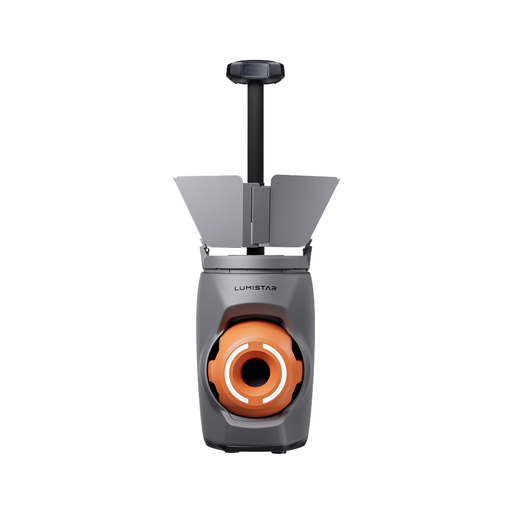
Why it stands out: Designed for competitors (up to a 4.5 NTRP level) and coaches, this machine delivers pro-level performance for intensive training. It allows you to work on consistency, tactics, and reactivity with the precision and power of a real match.
It avoids the pitfalls of inconsistent performance and 'AI' marketing hype. Its speed of up to 140 km/h and spin up to ±3600 RPM ensure ultra-realistic shots. Its three AI modes (Match, Rally, Random) offer true adaptability, going far beyond simple repetitive drills.
Over 259 pre-set and customisable drills via the app. Voice control via wristband for hands-free operation. All-in-one suitcase design for maximum portability.
Discover our complete selection of training and performance equipment, all rigorously selected to meet the demands of the most discerning athletes.
Battery life varies widely, from under an hour for entry-level models to over four hours. For serious training, aim for a model that offers at least 3 to 4 hours of use, like the Lumistar Tero, so you aren't cut short mid-session.
The most advanced models come very close. Unlike basic machines that just repeat a sequence, a true AI tennis robot uses algorithms to vary shots and adapt to your pace. Modes like "AI Match" adjust the frequency and placement of balls based on your returns, creating a dynamic and unpredictable playing experience that feels very much like a real match.
It all depends on the design. Older or entry-level models can require tedious assembly. In contrast, modern devices like the Lumistar Tero feature an all-in-one, suitcase-style design. You just roll it onto the court, position it, unfold the hopper, and turn it on. Setup takes just a few minutes.