
Livraison le jour même ou le lendemain

Qualité garantie

Débloquez vos offres de bienvenue: Livraison GRATUITE | Jusqu'à -80 % | 30 jours d'essai gratuits à JoyPlus
Téléchargez l'application
A high-strength Tenax plastic mesh can replace metal trellis in many situations: garden fencing, crop protection, aviaries, small animal enclosures or boundary marking. However, not all products are designed for the same purpose. A mesh that is too wide, an unsuitable height or insufficient UV protection can quickly lead to a replacement purchase and an unreliable installation.
Before placing your order, it's best to avoid three common mistakes:
Several Tenax fencing nets are made from polypropylene. This material won't rust or corrode like metal exposed to moisture or sea spray. For an outdoor plastic fence, make sure it has UV stabilisation. This protection helps preserve its colour and mechanical properties over the years.
By the coast, a rust-proof plastic fence can be easier to maintain than metal mesh that needs regular corrosion protection. That said, you still need robust fixings and should check the installation regularly, especially after a storm.
Choose the height according to your needs: 1 m is usually enough for marking a flower bed, while 1.5 or 2 m works better for separating land, protecting crops or creating an enclosure.
The mesh size deserves equal attention. The Millennium models featured here use a 35 × 48 mm mesh, suitable for boundary marking and various outdoor projects. For small birds or tiny animals, a 1.5 cm mesh will further reduce the risk of them getting through.
Also calculate the total length you need. A 10 m roll may suffice for a small area, while a 50 or 100 m roll is better suited to agricultural land, a smallholding or multiple enclosures.
A lightweight, easy-to-install mesh is easier to transport and cut than metal trellis. However, it must be fixed to posts or a stable structure using suitable ties, usually sold separately.
For a neat installation:
This type of net must not be used as a handrail, load-bearing structure, climbing net or safety barrier at height. For an enclosure, also avoid areas where a paw, beak or collar could become trapped.
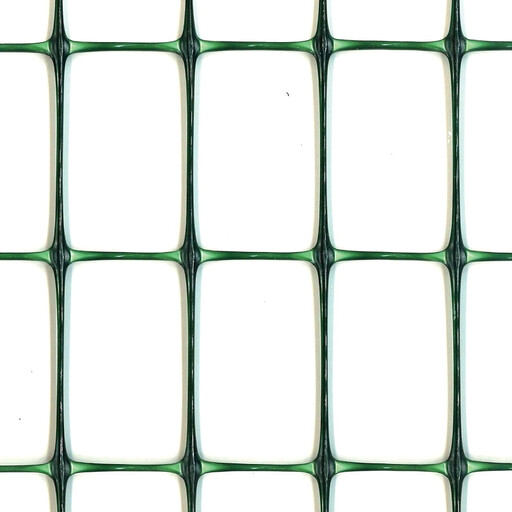
Why this choice suits this profile: With its 1 × 10 m format and stated weight of 2 kg, this roll is ideal for small garden fences, landscaping projects and temporary boundaries.
Its clearly stated dimensions reduce the risk of buying a roll that's far too long for a small area.
An easy-to-handle format, versatile installation and suitability for both garden and some construction site use.
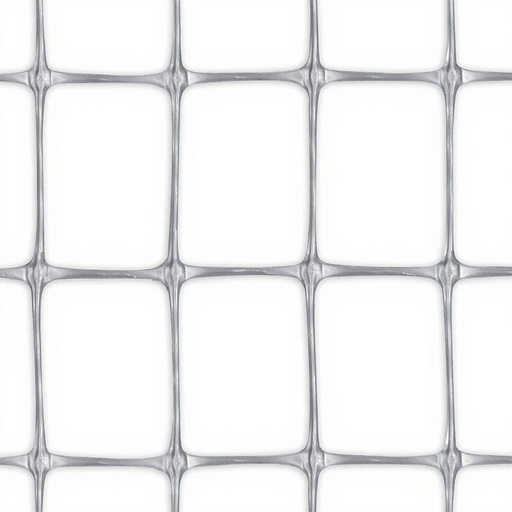
Why this choice suits this profile: This 25 m roll is designed for long-lasting residential installations, including in very sunny regions or areas exposed to sea spray.
The product description mentions UV resistance, impact resistance and salt corrosion resistance – three points to check before any long-term outdoor installation.
A 25 m length, 35 × 48 mm mesh and a stated 10-year guarantee.
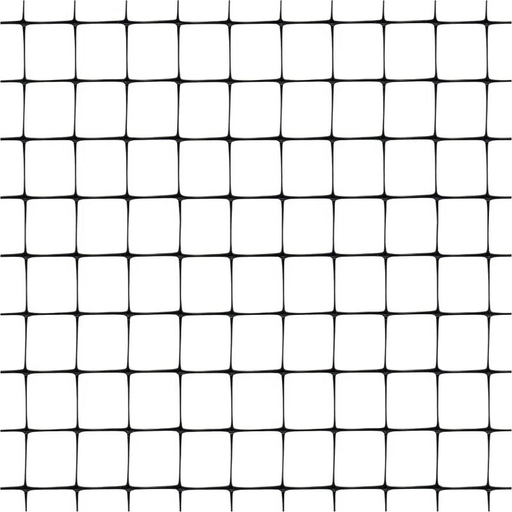
Why this choice suits this profile: With its 2 m height and 100 m length, this roll meets the needs of smallholders, gardeners and property owners setting up multiple enclosures or growing areas.
Its length and height are designed for large-scale projects, while UV stabilisation reduces the risk of premature discolouration.
A flexible polypropylene fencing net, suitable for chicken coops, enclosures, cages, aviaries and crop protection.
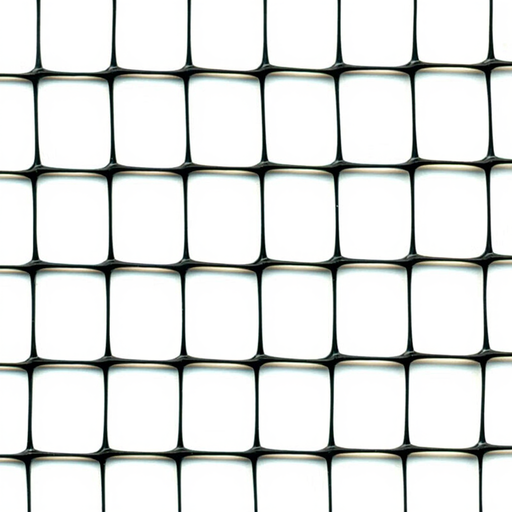
Why this choice suits this profile: Its stated 1.5 cm mesh is suitable for vegetable patches, fruit trees and areas needing protection from small birds.
Its fine mesh meets a specific need and avoids choosing a fence with openings that are too large for small animals.
A 100 m roll, 1.5 m height and lightweight design for covering large areas.
We've put together a comprehensive, real-time updated selection of products that meet these demanding criteria as well as European safety regulations.
For poultry or small animals, choose a fine mesh and make sure the edges are properly secured. For simply marking a boundary, a wider mesh may be sufficient. In all cases, the net should not be used to contain a heavy animal or replace an electric fence where regulations require one.
Models made from UV-stabilised polypropylene are designed for outdoor use and won't rust. However, their lifespan depends on several factors: sun exposure, tension applied, quality of the posts and condition of the fixings. Inspect the fence after periods of strong wind or frost.
A simple water wash is usually enough to remove dust and plant debris. The main thing is to check the ties, avoid any contact with flames or intense heat sources, and promptly replace any torn sections. A properly anchored installation contributes more to the longevity of the agricultural net than excessive tension.