
Livraison le jour même ou le lendemain

Qualité garantie

Débloquez vos offres de bienvenue: Livraison GRATUITE | Jusqu'à -80 % | 30 jours d'essai gratuits à JoyPlus
Téléchargez l'application
An unprotected opening can quickly become an invitation to mosquitoes, flies and other small insects. But choosing any old netting is not always enough: mesh that is too wide, material that deforms or an unsuitable fixing method can compromise the effectiveness of the installation within just a few weeks.
Tenax fibreglass mosquito netting ticks several boxes for everyday use: it can be cut to size, adapted to windows and doors, cleaned with water and offers good dimensional stability. Before choosing a roll, however, there are a few points worth examining closely.
A 1 m-wide roll will not necessarily be suitable for a large patio door. Conversely, a width of 1.2 m could create a lot of waste when used for a small window. Measure each opening, allowing enough extra material for fixing and tensioning the netting.
If you need to fit out several windows, doors or balcony openings, a 30 m-long roll can save you from having to make multiple purchases. For a single opening or a repair, a 5 m roll will keep excess material to a minimum.
Protection against mosquitoes and flies depends on the fineness and consistency of the mesh, as well as the absence of gaps around the frame. Very fine netting that has not been tensioned properly can still allow insects in at the sides.
The 1.6 × 1.6 mm mesh specified for several Tenax products provides a useful point of reference. It allows you to compare products based on a technical specification rather than a simple marketing promise.
Some netting frays as soon as it is cut, making installation more difficult and potentially reducing its lifespan. Mosquito netting that can be cut with scissors without fraying is easier to adjust around a window, door or unusually sized opening.
Also check the care instructions. Mosquito netting that can be washed at a low temperature can be cleaned before being stored for the winter. When cutting, the products featured here should be handled with gloves, then stored in a dry place away from flames and young children.
Fibreglass combines lightness, flexibility and stability. It is suitable for window frames, doors and openings that require precise cutting. Tenax models made from this material are described as resistant to atmospheric and chemical agents. Depending on the product, the netting can also be washed at 30 °C.
Plastic, particularly polypropylene, can be a practical solution for a garden, balcony or temporary installation. One Tenax plastic product features a 1.6 × 1.6 mm mesh and UV protection. Your choice will therefore depend on the environment, the length required and how often the netting will be handled.
For mosquito netting installed on an indoor window, exposure to sunlight is generally limited. However, netting fitted to a door opening onto a patio, balcony or garden will need to withstand UV rays, moisture and changes in temperature.
Look for precise descriptions such as UV-stabilised, resistant to weather conditions or resistant to atmospheric agents. These describe the stated properties of the material, but they do not replace regular checks of the netting and its fixings.
Rolls can generally be cut to the required dimensions and then fixed to the supporting surface using suitable accessories. Depending on the area, you can use adhesive tape, hook-and-loop strips, staples, clips or a frame profile. Please note that fixing accessories are not necessarily included.
To keep insects out effectively, the netting must cover the entire opening, remain sufficiently taut and leave no gaps at the sides. For a frequently used door, choose reinforced fixings and regularly inspect the areas subject to the most wear.
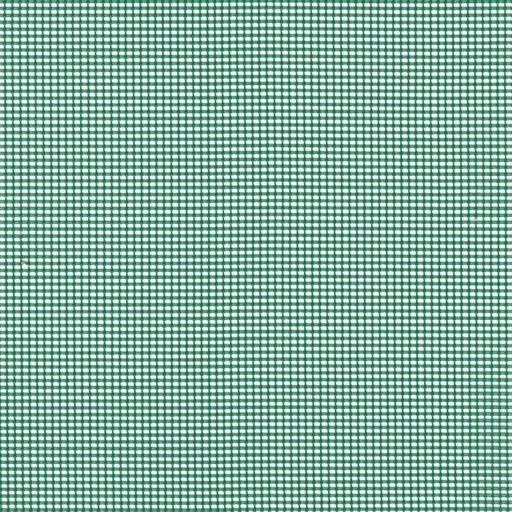
Why this choice suits this type of user : Its 1 × 5 m format is suitable for a small opening, a repair or a first DIY project. The plastic material is easy to cut, making it suitable for different structures.
Its 1.6 × 1.6 mm mesh and cut-to-size design avoid choosing netting that is too imprecise for a small area.
Compact format, consistent mesh, stated weather resistance and washable design.
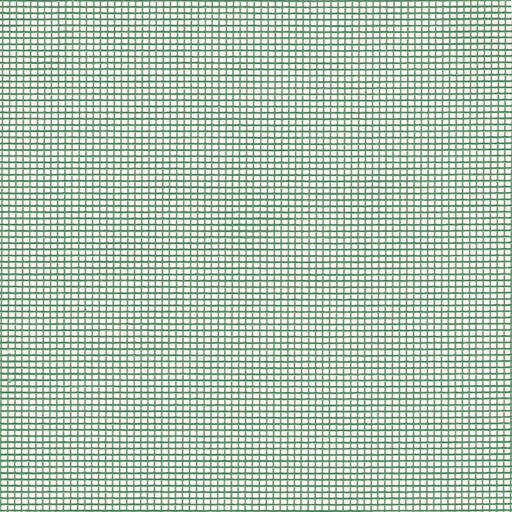
Why this choice suits this type of user : With its 30 m length, this roll is aimed at homeowners and DIY enthusiasts who want to fit out several openings with one continuous piece of netting.
Its dimensional stability and stated resistance to UV rays, chemicals and weather limit the risk of deformation outdoors.
Fibreglass, 1.6 × 1.6 mm mesh, can be cut with scissors and is washable.
Why this choice suits this type of user : Its 1.2 m width and 30 m length make projects involving doors, wide windows or several openings easier.
The netting can be cut without fraying, reducing uneven edges during repeated installations.
1.2 × 30 m format, fibreglass, highly adaptable and washable at 30 °C.
We have put together a complete, regularly updated list of products that meet these demanding selection criteria and European safety regulations.
Yes, the relevant Tenax products are designed to be cut with scissors without fraying. However, measure the area to be covered and the allowance needed for fixing before cutting: netting that is too short cannot be tensioned properly.
The 1.6 × 1.6 mm mesh, specified for several Tenax models, provides a useful reference point when comparing products. The quality of the installation is just as important: even fine netting will not protect the opening if it is poorly fixed or if gaps remain around the frame.
It depends on its exposure to sunlight, wind and moisture, as well as how often it is handled and the quality of the fixings. UV-stabilised, weather-resistant netting is designed for outdoor use according to its stated specifications. Regular inspection nevertheless helps you spot tears and deformation quickly.