
Livraison le jour même ou le lendemain

Qualité garantie

Débloquez vos offres de bienvenue: Livraison GRATUITE | Jusqu'à -80 % | 30 jours d'essai gratuits à JoyPlus
Téléchargez l'application
Whether you're a casual runner or a gym enthusiast, choosing your gear can quickly become overwhelming. Faced with ubiquitous marketing jargon—"thermoregulation," "hydrophobic," "smart fabric"—it's hard to know what's what. The risk? Paying a premium for unnecessary technologies or, worse, ending up with unsuitable clothing that compromises your comfort and performance.
To make the right choice, here are the most common traps to avoid:
To make an informed choice, rely on the objective characteristics of the garment rather than on advertising slogans.
The number one criterion for technical sportswear is its ability to manage sweat. A good moisture-wicking t-shirt doesn't just soak up sweat; it pulls it away from the skin to the outer surface of the fabric so it can evaporate. This is known as capillary action.
The choice of material should depend on your activity and the weather conditions.
For winter sports or hiking apparel in the mountains, merino wool is a top-tier option. Unlike traditional wool, its fibres are extremely fine, making it soft and non-irritating. It can absorb up to 30% of its weight in moisture without feeling damp to the touch, all while retaining its insulating properties. This is why merino wool ski socks are so popular: they keep feet warm and dry while being naturally odour-resistant.
Beyond moisture management, certain features can enhance your comfort and safety.
To illustrate these criteria in practice, here are a few products suited for different profiles.
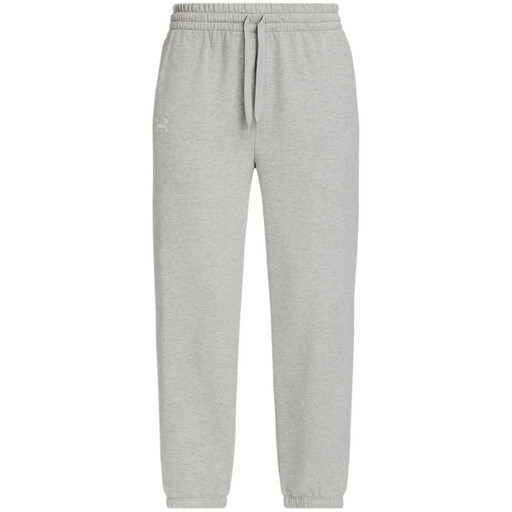
Why we chose it: Perfect for warm-ups, recovery, or simply as everyday casual wear. These women's cotton joggers (80%) and polyester (20%) offer the perfect balance between the softness of cotton and the wicking properties of polyester.
It doesn't market itself as gear for intense workouts. Its strength is the comfort of its French Terry fabric, making it a smart and honest choice for its intended use—the opposite of a 100% cotton garment for a marathon.
The Under Armour Rival Terry fabric wicks sweat and dries fast, combining the comfort of cotton with the performance of polyester for maximum versatility.
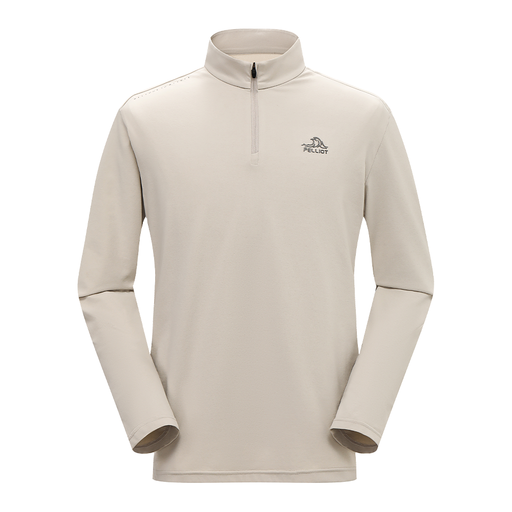
Why we chose it: Designed for the runner or hiker looking for reliable gear. This is a true moisture-wicking t-shirt, engineered for intense activities where moisture management is the number one priority.
It goes beyond mere marketing jargon by detailing its technologies. Toray's STORMDRY technology is backed by objective data (water diffusion time < 1s). The POLYGIENE treatment, meanwhile, concretely tackles the problem of odours.
STORMDRY quick-drying technology and POLYGIENE antibacterial treatment to stay dry and odour-free. Lightweight, non-irritating technical fabric.
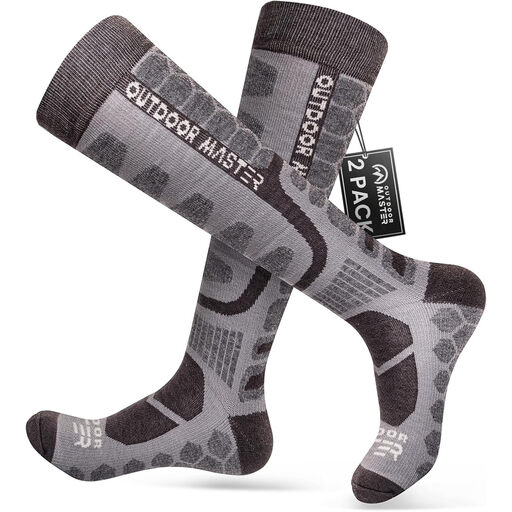
Why we chose it: The expert's choice for skiers and snowboarders who demand warmth, dry feet, and muscle support to keep making runs all day long.
It meets a specific need that generic sports socks cannot. Rather than just being a "warm sock," it combines a merino wool blend for thermoregulation with a targeted sports compression design.
Merino wool blend (30%) for breathable, odour-resistant warmth. Compression zones promote circulation and muscle support.
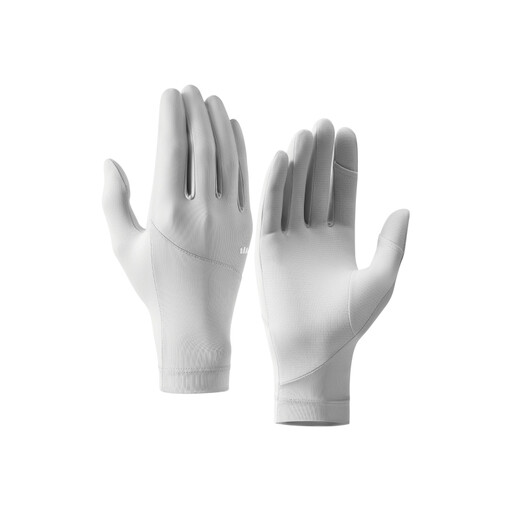
Why we chose it: An essential accessory for cyclists, hikers, or anyone spending long hours in the sun. It addresses an often-overlooked need: hand protection.
This product proves that technical apparel is about more than just moisture management. It's a piece of running gear or cycling kit that provides a targeted solution to a real safety and comfort issue.
UV-protection for long sun exposure, combined with a cooling fabric to ensure comfort even in hot weather.
We have compiled a complete, up-to-date selection of products that meet our strict selection criteria and current regulations.
To maximise the lifespan of your technical apparel, wash it inside out in cold water (30°C / 86°F maximum). Use a liquid detergent and, most importantly, never use fabric softener: it clogs the fabric's pores and destroys its moisture-wicking ability. Opt for air-drying over a machine dryer, as the heat can damage elastic fibres and integrated technologies.
It all depends on the intensity. For low-impact activities like yoga, stretching, or for comfort before and after a workout (like a pair of women's cotton joggers), it's an excellent option. However, for intense sports like running, HIIT, or cycling, cotton should be avoided. It absorbs sweat, gets heavy, and takes a very long time to dry, which can lead to a cold feeling and chafing.
The two concepts are closely related. A "moisture-wicking" garment is designed to pull sweat from your skin to the outer surface of the fabric. "Quick-drying" is the direct result of this process: once the moisture is on the surface, the fabric's structure allows it to evaporate quickly into the air. Good technical apparel excels in both areas.
By the Joybuy Product Recommendation Officer