Which factors should you prioritise?
100% Arabica or an Arabica blend
Worth considering: with a light snack, if you prefer a smooth, aromatic profile such as the one Lavazza describes for Arabica.
Keep in mind: the blend alone doesn’t tell you how much caffeine will be in your prepared cup.
Arabica/Robusta or a dark roast
Worth considering: if you like a bolder espresso with a chocolatey pastry.
Keep in mind: Lavazza describes Robusta as having a higher caffeine concentration than Arabica, but the blend alone isn’t enough to determine the amount per cup.
Decaffeinated espresso
Worth considering: if you drink espresso late in the day and want to take your sensitivity to caffeine into account.
Keep in mind: the word ‘decaffeinated’ doesn’t tell you whether you’ll enjoy the taste or whether it’s compatible with your machine.
When choosing an espresso for teatime, consider the profile you want to go with your snack, how much attention you pay to caffeine, and which formats your machine accepts.
| Factor |
What to check |
Who might prioritise it? |
| Balance with a light snack |
Compare the blend and tasting notes; intensity scales vary from brand to brand. |
With a biscuit or a piece of fruit, I’d prefer an espresso that still lets me taste my snack. Around 33% of consumers would make this balance their priority. |
| A bold flavour with a pastry |
Check the Arabica/Robusta blend and the stated roast, without judging the flavour by a single number. |
With a chocolatey pastry, I’d look for a coffee with a more pronounced character. Around 25% of consumers would put this flavour profile first. |
| A late coffee |
Compare decaffeinated options in your preferred format; flavour intensity doesn’t measure how much caffeine you consume. |
If I drink espresso late in the day, I’d take my reaction to caffeine into account rather than choosing based on intensity alone. Around 25% of consumers would put this first. |
| Compatible format |
Check whether the coffee is whole bean, ground, in soft pods or in capsules that fit your machine. |
If my machine only accepts a specific format, I’d want to prepare my chosen coffee without needing any extra equipment. Around 17% of consumers would put compatibility first. |
Espressos to consider on Joybuy
These products include decaffeinated capsules, whole-bean espressos and 100% Arabica capsules. First, choose a format that works with your machine, then compare the blends and flavour details given for each product.
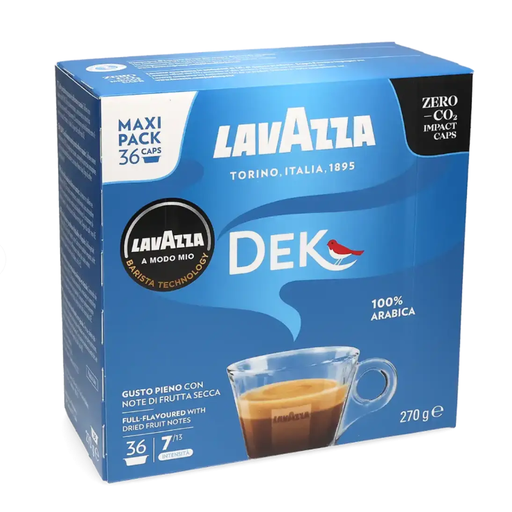 Image unavailable
Lavazza A Modo Mio decaffeinated capsules, pack of 36
Worth considering for a decaffeinated espresso at teatime if you use the A Modo Mio system.
Check that your machine model accepts these capsules; the word ‘decaffeinated’ doesn’t tell you how much residual caffeine they contain.
View on Joybuy
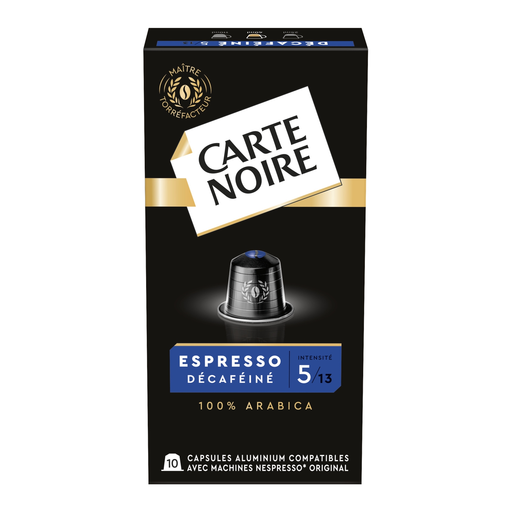 Image unavailable
Carte Noire Espresso Décaféiné N°5, 10 aluminium capsules
A decaffeinated option if you make your espresso with compatible capsules.
Confirm compatibility with your machine model before buying; N°5 is a flavour intensity rating, not a measure of residual caffeine.
View on Joybuy
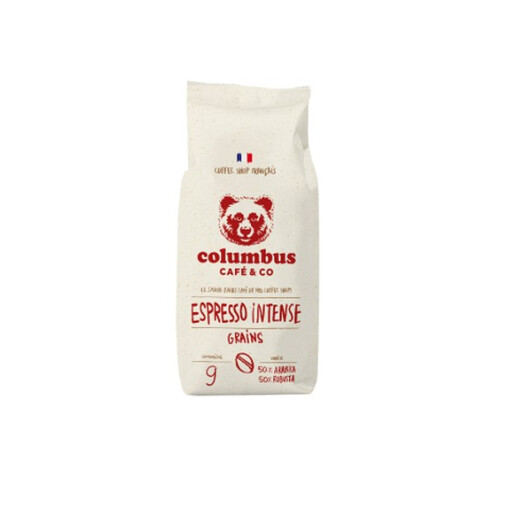 Image unavailable
COLUMBUS Intense Espresso, whole-bean coffee, 500 g
Worth considering if you’re looking for whole-bean coffee to make espresso and want to compare blends described as intense.
The pack contains 500 g of whole beans. Check that your equipment can grind them and make the espresso you want; the name ‘Intense’ doesn’t indicate the caffeine content per cup.
View on Joybuy
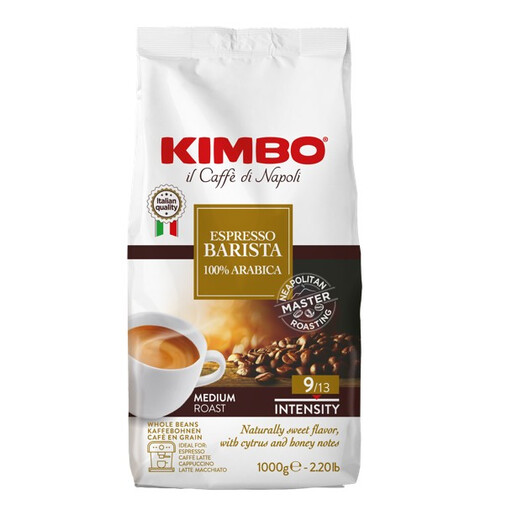 Image unavailable
KIMBO Espresso Barista 100% Arabica, whole beans, 1 kg
Worth comparing if you’d like to make an espresso from 100% Arabica beans to enjoy with your afternoon snack.
Medium roast with a stated intensity of 9/13: this figure describes the flavour, not the caffeine content per cup. Make sure you have suitable equipment for whole beans.
View on Joybuy
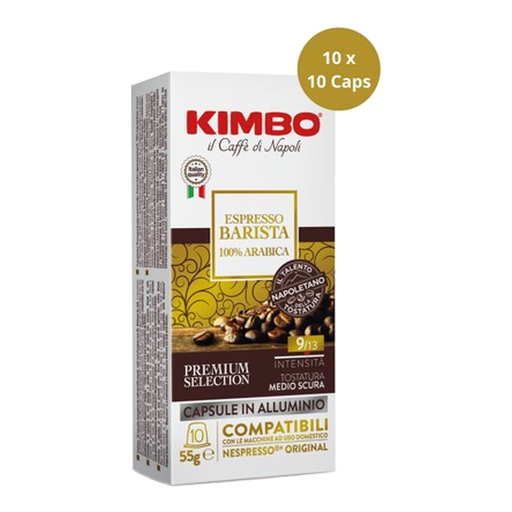 Image unavailable
KIMBO Espresso Barista 100% Arabica, 10 capsules, 55 g
Worth considering if you prefer 100% Arabica espresso capsules and have a machine that accepts this format.
The stated intensity is 9/13. Check the compatibility details for your Nespresso model before buying; this rating doesn’t tell you how much caffeine each capsule contains.
View on Joybuy
Frequently asked questions
Does a more intense espresso always contain more caffeine?
No. Carte Noire says its intensity rating describes the aromatic character, not the stimulating effect. If you drink coffee late in the day, consider the blend and the amount you prepare too, rather than judging the caffeine content by a single number.
Which espresso should I choose if I have a late afternoon snack?
A decaffeinated coffee may be an option if you’re sensitive to caffeine, as long as you choose a format that works with your machine. Anses says caffeine’s effects on sleep vary from person to person, so a lower flavour intensity alone won’t answer this question.
How can I tell whole beans and pods apart before buying?
Read the format stated on the pack and check that it suits your equipment. For example, Lavazza sells Espresso Barista Perfetto as whole beans, while Carte Noire Espresso N°8 comes in soft pods: these formats aren’t interchangeable.
What should I check on the label of coffee sold in France?
Start by checking the information that matters to your choice, including the product name, stated blend and pack size. The DGCCRF says food labelling information must be visible, legible and written at least in French; also check the format your machine requires.
Should I throw coffee away as soon as its BBE date has passed?
No. A coffee doesn’t have to be thrown away automatically once its best-before date has passed. The DGCCRF distinguishes this date from a use-by date and says the coffee’s flavour may deteriorate; check that the packaging is intact and follow the storage instructions after opening.


