
Livraison le jour même ou le lendemain

Qualité garantie

Débloquez vos offres de bienvenue: Livraison GRATUITE | Jusqu'à -80 % | 30 jours d'essai gratuits à JoyPlus
Téléchargez l'application
Choosing a teapot? A simple task, you might think. However, this familiar object hides details that can transform a simple break into a true tasting experience. The wrong choice means you lose on two fronts: not only are the delicate aromas of your tea ruined, but using the teapot turns into a daily chore. To prevent this soothing ritual from becoming a source of frustration, let's review the most common pitfalls.
Who hasn't fallen for an eye-catching design, only to curse a teapot that drips with every pour, a scorching hot lid, or a filter that lets half the leaves escape? Others have been tempted by sophisticated mechanisms, only to discover a fragile device that's impossible to clean and quickly becomes a breeding ground for bacteria. Not to mention the material—the often-overlooked factor—when low-grade plastic or poor-quality metal can completely ruin your drink.
This guide is here to help you see things more clearly. We'll ignore the marketing hype and focus on the criteria that truly matter, so you can find the teapot or kettle that will fit seamlessly into your daily life.
To make the right choice, it's essential to understand the impact of a few key features. Far from marketing speak, these three fundamental points are decisive for the quality of your brew and your daily comfort.
The material of your teapot isn't just a matter of looks: it directly affects heat retention and, most importantly, the purity of the taste.
Your daily routine will dictate the right choice of appliance.
Two final points, often overlooked at the time of purchase, prove crucial in practice.
Rather than a simple list of products, we've identified typical user profiles and matched them with the model that perfectly meets their expectations.
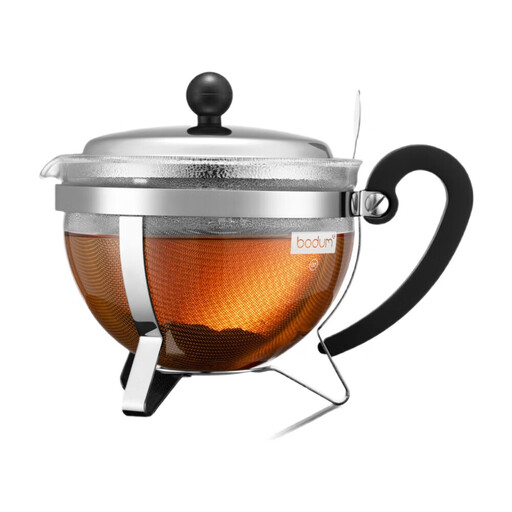
Why it's the perfect match: This user appreciates the simplicity and elegance of a well-mastered ritual. With its iconic design inspired by French presses, the Chambord allows you to watch the infusion through its borosilicate glass body and control the process with its easy-to-use and easy-to-clean stainless steel filter.
It relies on safe materials (glass and stainless steel) that preserve taste and ensure longevity. Its brilliantly simple mechanism is reliable and fully disassemblable for impeccable cleaning.
Its borosilicate glass body preserves the integrity of the aromas, while the fine-mesh stainless steel filter ensures a clear infusion without the slightest residue. Bonus: all parts are dishwasher-safe.
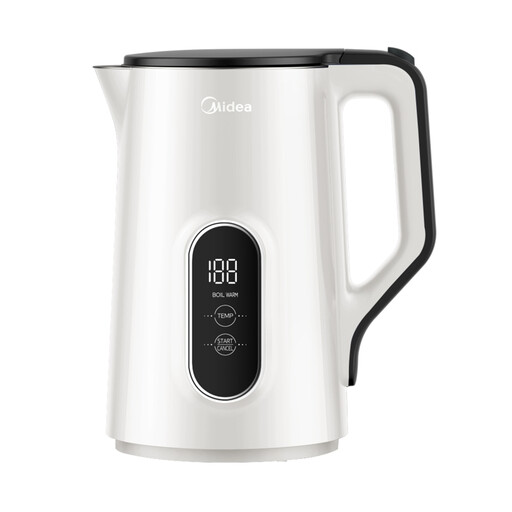
Why it's the perfect match: For this user, water temperature is a non-negotiable parameter. This electric kettle offers precise control from 45 °C to 100 °C, allowing you to adjust the heat for each type of tea, coffee, or hot beverage for perfect flavour extraction.
It solves the problem of boiling water that "scorches" the most delicate teas. Its double-wall construction keeps the exterior cool to the touch and the interior hot for longer. Its full 304 stainless steel (BPA-free) design ensures water never comes into contact with plastic.
The variable temperature control and its 7 presets offer impressive versatility. The 1-hour keep-warm function is a real plus for long tasting sessions.
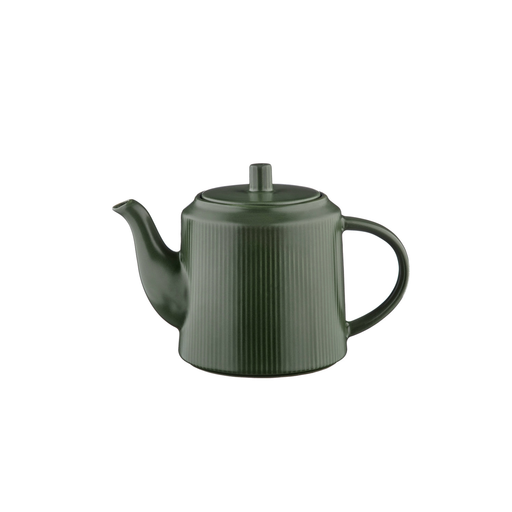
Why it's the perfect match: This profile seeks a beautiful, functional, and meaningful object. With its clean Scandinavian design, this recycled stoneware teapot checks all the boxes, combining contemporary elegance with a sustainable approach.
It skips the gadgets and disposable materials to focus on the essentials: a noble and robust material. Its simple, solid design is built for intensive use and unwavering durability.
Made from recycled stoneware, it is as durable as it is versatile (dishwasher, microwave, and oven safe up to 220 °C). Its large 1.3 L capacity is perfect for shared moments.
We have put together a complete selection of products that meet our quality criteria and European safety standards.
The main difference comes down to two things: heat retention and experience. Cast iron is unbeatable for keeping tea hot for a very long time, ideal for teas that are savoured over a long period. Glass, on the other hand, is perfectly neutral in taste and offers the spectacle of the infusion, but it retains heat less effectively. It all depends on whether you prioritise temperature or the visual and taste experience.
On most glass, stainless steel, or ceramic models, the parts are removable and dishwasher-safe. For hand washing, simply empty the leaves, rinse the infuser under clean water, and use a soft brush with a drop of dish soap if needed. Be sure to dry all parts thoroughly, especially metal filters, to prevent limescale and rust.
Not essential, no. But it is highly recommended for lovers of delicate teas (green, white, some oolongs). Boiling water (100?°C) tends to "burn" their leaves and exacerbate bitterness. Heating the water to the correct temperature (usually between 70 and 95?°C) allows all their aromatic complexity to be released. If you only drink black tea or herbal infusions, a standard kettle will do the job perfectly.