Fans of dessert-like notes after coffee
You’re looking for a cup with notes of hazelnut, caramel, vanilla or the roasted flavours of coffee served with dessert, rather than a herbal infusion.


To complement the flavours of dessert and coffee, choose an infusion with notes of toasted rice, hazelnut, caramel or vanilla. If you’d rather try something different, a mint and anise blend offers an aromatic contrast. Either way, check the ingredients, especially for liquorice, rather than assuming an infusion has health benefits based on its name.
You’re looking for a cup with notes of hazelnut, caramel, vanilla or the roasted flavours of coffee served with dessert, rather than a herbal infusion.
After dessert, you’d like to switch things up with a minty or aniseed infusion, rather than prolonging the pastry flavours.
You check the ingredients and warnings before choosing, especially when a blend contains liquorice or makes a “wellness” claim.
First decide whether your infusion should complement the flavours of coffee served with dessert or contrast with them with a fresh note. Then compare the ingredients in the blend you’re considering: similar flavour names can refer to different recipes.
| Criteria | What to check | Who is it for? |
|---|---|---|
| Pairing with dessert | Look for ingredients and flavours that match what you’re after: toasted rice, chicory, hazelnut, caramel or vanilla. | If I want to complement the flavours of coffee and patisserie, I’m looking for a rich, dessert-like cup rather than a herbal one. Around 50% of consumers would make this pairing their priority. |
| Fresh finish | Compare the main botanicals, particularly mint and anise, then check the brewing time on the pack. | After dessert, I prefer a minty or aniseed flavour to contrast with my coffee. This freshness would come first for around 30% of consumers. |
| Ingredients and claims | Read the full ingredients list, any warnings and any health-related claims. | Before choosing a flavour, I need to know whether the blend contains liquorice and what its “wellness” claim means. For around 20% of consumers, this would be their main concern. |
A marketing name doesn’t make an infusion a treatment. The DGCCRF reminds consumers that health claims made for food products are regulated and must be authorised.
Choose based on flavour, ingredients and the brewing instructions, without attributing a therapeutic effect to the drink.
Liquorice can appear in recipes whose names focus mainly on other flavours. Anses warns of risks associated with high, repeated liquorice consumption, particularly for some groups and when taking certain medicines.
Check the pack to see whether it’s included. If your circumstances or medication could put you at risk, ask a healthcare professional for advice before drinking it regularly.
A hazelnut and caramel infusion and a vanilla rooibos may both go well with dessert, but their ingredients lists aren’t interchangeable.
Compare the ingredients, any allergens listed on the packaging, the format and the brewing instructions for each product.
The Hazelnut, Toasted Rice and Caramel Notes blend can accompany coffee served with dessert when you want to stick to dessert-like flavours.
The sweet mint, anise and basil blend featured by Auchan is an example of a fresh finish after dessert.
The Vanilla Flavour Rooibos infusion is an option if you prefer a vanilla note to a minty or hazelnut and caramel blend.
Grand Sud Evening Flavours is a mint and liquorice option, distinct from dessert-style blends and mint and anise recipes.
These two infusions are suited to a refreshing drink after coffee and dessert: one combines mint, anise and verbena, while the other pairs peppermint with liquorice. Compare their ingredients if you’re keeping an eye on your liquorice intake.
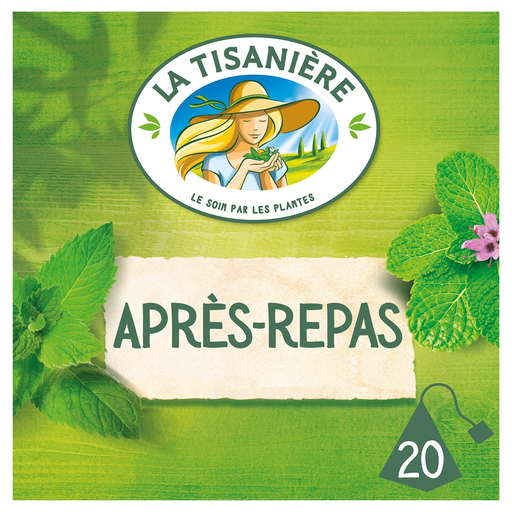 Image unavailable
Worth considering if you want a fresh note to contrast with dessert flavours. The box contains 20 tea bags. If liquorice is a factor in your choice, check whether it’s included and in what quantity on the label of the product you buy.
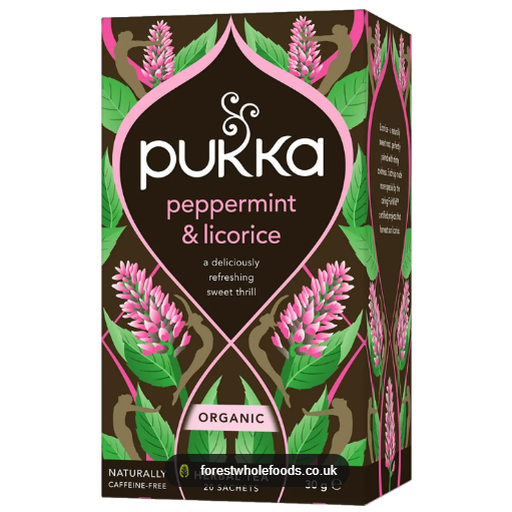 Image unavailable
Worth considering for a minty finish if you’re looking for a liquorice blend rather than one with anise. The box contains 20 tea bags. Bear in mind Anses’ warning about high, repeated liquorice consumption.
No. An infusion’s name doesn’t guarantee a therapeutic effect. The DGCCRF reminds consumers that health claims about food products are regulated and only authorised claims may be used. To enjoy with coffee and dessert, start by comparing the ingredients and flavours.
Check whether it’s included if you plan to drink a liquorice blend regularly. Anses warns that high, repeated liquorice consumption may pose risks, particularly for some groups and when taking certain medicines. If this applies to you, ask a healthcare professional for advice.
Follow the brewing time and water volume shown on the pack for the product you’ve chosen; these instructions can vary from one blend to another. This lets you compare flavours without assuming a minty blend should be prepared in the same way as vanilla rooibos.
Check the ingredients for the specific product and pack you’re buying before choosing it for this reason. Yogi Tea’s listing for its Spiced Chai shows both “Caffeine Free” and black tea, while Auchan’s listing for this product states that it contains 33% black tea. The claim on its own isn’t enough to settle the question.