What should you look for first?
For your first selection, start with the flavour you’re after. Then distinguish herbal infusions from tea before choosing pack sizes, and check the ingredients of the blends you’ve shortlisted. Ingredient proportions describe what a blend contains; they aren’t a shared scale for how strong it tastes.
| What to consider |
What to check |
Who is it for? |
| Spicy flavour |
Check how prominent the ginger is and, if stated on the label, what proportion of the blend it makes up. Also check the brewing time for that particular recipe. |
If I mainly want to taste the ginger, a flavour name alone isn’t enough to help me choose my first box; around 40% of consumers might make this spicy profile their priority. |
| Contains tea |
Tell the difference between an herbal blend and green or black tea with mint, particularly if you’re planning to drink it in the evening. |
For a late-night drink, I want to know whether the minty freshness comes with tea; the presence of tea might be the first thing around 30% of consumers look for. |
| First selection |
Compare the number of tea bags or the net weight, and choose blends with distinct flavour profiles rather than several similar options. |
Before buying more of a flavour, I’d like to try both a spicy note and a minty one; around 20% of consumers might prioritise this kind of discovery. |
| Ingredients and claims |
Read the ingredients again, especially the liquorice content, and don’t mistake a wellbeing claim for proof of an effect. |
If I think I’ll drink the same blend often, I want to know what’s in it before relying on the wording on the box; around 10% of consumers might put this check first. |
Products for different tastes
These products let you explore a few ways to find a bold-tasting cup for your first shop: ginger and lemon blends, mint green tea, and other ginger products. Check the category and ingredients of each product before treating them as interchangeable.
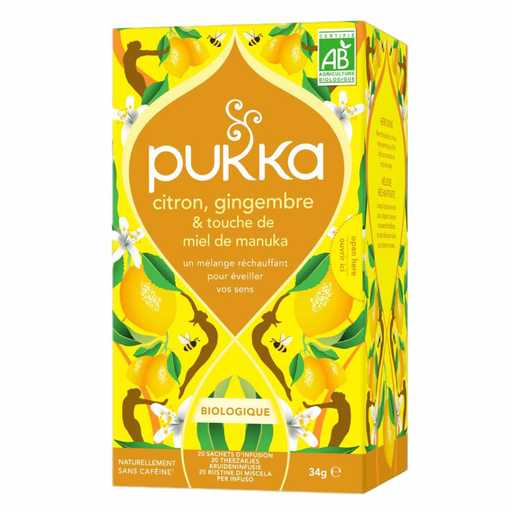 Image unavailable
PUKKA Manuka Honey with Lemon & Ginger, 20 sachets
Worth a look if you’re after a blend of ginger and lemon for your first try. The box contains 20 tea bags; check the ingredients list, especially if you want to avoid liquorice.
View on Joybuy
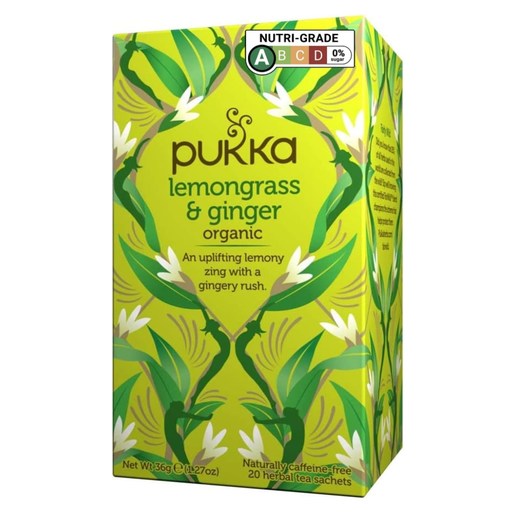 Image unavailable
PUKKA Lemongrass & Ginger, 20 sachets
Another blend to consider if you’d like to compare lemongrass and ginger with PUKKA’s lemon blend. The box contains 20 tea bags; check the label for the ingredients and brewing time for this product.
View on Joybuy
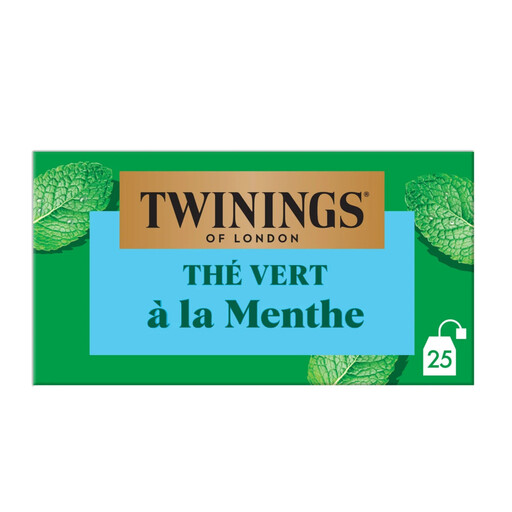 Image unavailable
Twinings Green Tea & Mint, 25 sachets, 50 g
Worth considering if you like mint and would rather drink green tea than a tea-free herbal infusion. This box contains 25 tea bags and weighs 50 g; bear the caffeine in tea in mind, especially if you’re having a cup late in the day.
View on Joybuy
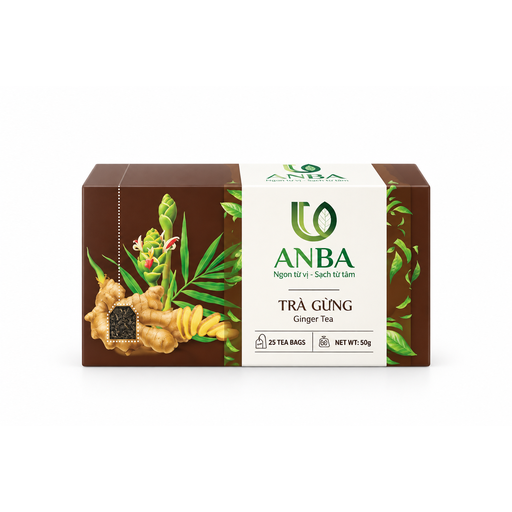 Image unavailable
ANBA Ginger tea, 50 g
Worth a look if you’d like to combine ginger and tea in your first selection. The stated pack size is 50 g; check the packaging for the type of tea, other ingredients and brewing instructions if you want to keep track of your caffeine intake.
View on Joybuy
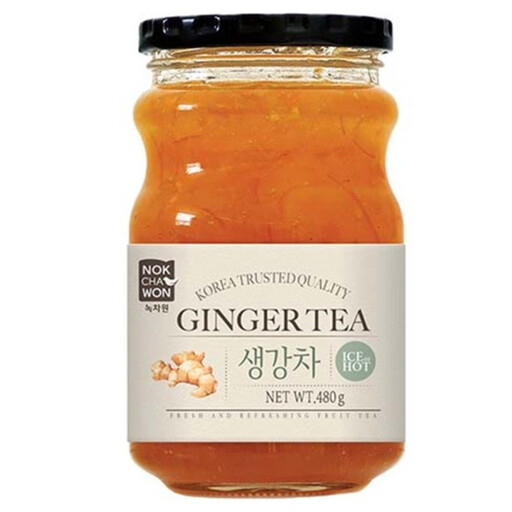 Image unavailable
Nokchawon Ginger Tea, 480 g
Consider this if you’re thinking of a 480 g ginger product rather than a small box of tea bags. Before choosing it, check how it’s prepared, its ingredients and its nutritional information to make sure it’s the kind of drink you’re looking for.
View on Joybuy
Frequently asked questions
Does a bold-tasting herbal infusion always contain caffeine?
No: a spicy ginger flavour doesn’t mean a blend contains tea. Still, check the ingredients. Mint green tea does contain tea, and Anses notes that the caffeine in tea can delay falling asleep and reduce sleep quality.
Should you brew it for longer to make a bolder cup?
Not necessarily. Start with the brewing instructions for the product you’ve chosen, as the result depends on the blend. For its Infusion Gingembre Miel Citron Ayurveda, Twinings France recommends brewing for 5 minutes in 250 ml of water at 90 °C; these instructions don’t apply to every tea or herbal infusion.
What should you check if a blend contains liquorice?
Consider how often you plan to drink it and whether you consume other products containing liquorice. Anses warns that high, repeated consumption can lead to high blood pressure and low blood potassium, among other effects. If you have a particular medical condition or are taking medication, ask a healthcare professional for advice.
Do claims such as “detox” or “digestion” prove that an herbal infusion works?
No: these words alone don’t establish a health effect. The DGCCRF notes that nutrition and health claims are regulated. If you’re comparing drinks to enjoy for their flavour, focus instead on the ingredients and the brewing instructions.


