Fans of classic digestive biscuits
You’re looking for a digestive-style biscuit to enjoy with tea, rather than a filled biscuit or butter biscuit. Carrefour France lists McVitie's Digestive Original, for example.


If you’re specifically looking for a digestive biscuit to have with tea, choose a biscuit labelled as such; a tea biscuit or butter biscuit suits a different recipe preference. Then compare the ingredients, allergens and nutritional values per 100 g. In France, the DGCCRF explains that Nutri-Score is voluntary, while nutrition information is compulsory for most prepacked foods.
You’re looking for a digestive-style biscuit to enjoy with tea, rather than a filled biscuit or butter biscuit. Carrefour France lists McVitie's Digestive Original, for example.
You want to compare biscuits by their ingredients and nutritional values, without treating the absence of a Nutri-Score as a verdict on the product. The DGCCRF notes that this logo is voluntary in France.
You need to check the ingredients in the biscuit you’re serving with tea, particularly if you avoid wheat, milk, egg or other ingredients. Check the exact product and pack rather than relying on the type of biscuit alone.
First choose the type of biscuit you want to serve, then compare the labels of the products you’re considering.
| Criteria | What to check | Who is it for? |
|---|---|---|
| Type of biscuit | Check the product description, the grains used and whether it has a filling: digestive biscuits, tea biscuits and butter biscuits are not interchangeable. | If I want a digestive biscuit with my cup of tea, I look for that category rather than choosing a biscuit for its flavour or filling. Around 33% of consumers put this style of biscuit at the top of their list. |
| Nutritional information | Compare sugar, fat and salt in particular, using the same per-100 g basis; use Nutri-Score when it’s shown on comparable products. | To choose between several recipes, I need to compare their values on the same basis, rather than deciding from a single logo. This is the top priority for around 42% of consumers. |
| Ingredients and allergens | Read the ingredients list and check the allergen information and any precautionary warnings on the pack you’ve chosen. | If I need to avoid an ingredient, the composition of the product I’m serving comes before my taste preferences. This is the main concern for around 25% of consumers. |
Here, the name refers to a style of biscuit; it’s not a reason to assume it has health benefits.
Choose it for the recipe you’re looking for, then compare its nutritional information with that of the other biscuits you’re considering.
According to the DGCCRF, displaying Nutri-Score is voluntary in France. Its absence alone doesn’t tell you what a biscuit is made of.
When the logo appears on comparable products, you can use it alongside the ingredients list and nutrition information; otherwise, compare those details directly.
Recipes and precautionary allergen warnings vary from one product to another, even among biscuits served on the same occasion.
Before sharing a pack, read its ingredients list and allergen information.
All these types of biscuit can be served with tea, but they’re not made to the same recipe.
First decide which type you’re looking for, then compare the relevant products using their labels.
A classic choice if you’re looking for digestive biscuits: Carrefour France lists Digestive Original, among other products.
Another option if you’re looking for a biscuit made to enjoy with tea rather than a digestive.
An option for people who prefer butter biscuits to digestive-style biscuits.
This selection includes a filled version described as a digestive, butter biscuits and an assortment to serve with tea. If you’re looking for a classic plain digestive, bear in mind that these are different variations before you choose.
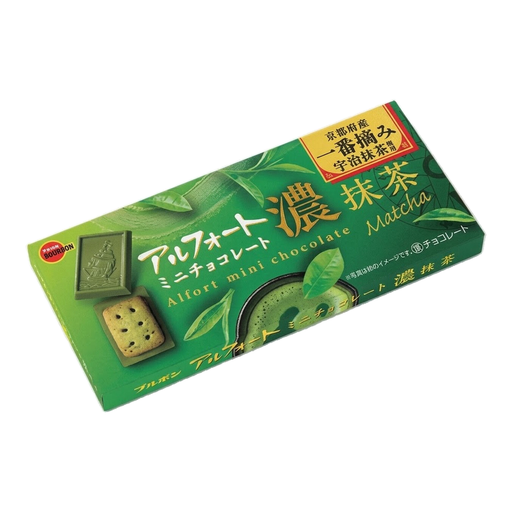 Image unavailable
Consider this if you’d like a dark chocolate and matcha option with your tea rather than a plain digestive. Check the ingredients and allergens on the pack before choosing this filled version.
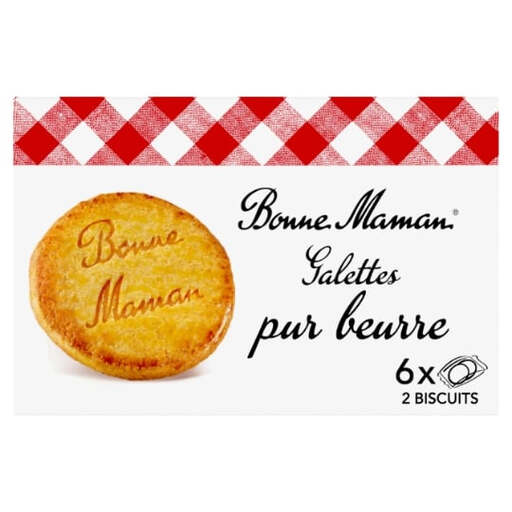 Image unavailable
A butter biscuit to serve with tea rather than a digestive. If the ingredients matter to you, compare the ingredients and nutritional values on the pack with those of the other butter biscuits you’re considering.
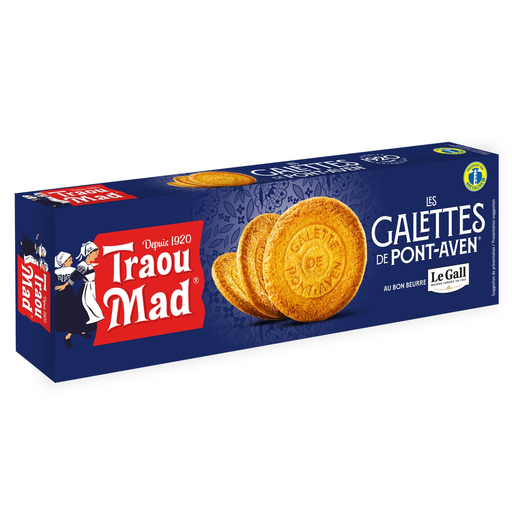 Image unavailable
Another butter biscuit option for tea, distinct from a digestive. If you’re comparing it with a larger or smaller pack, check the nutritional values per 100 g and the ingredients list.
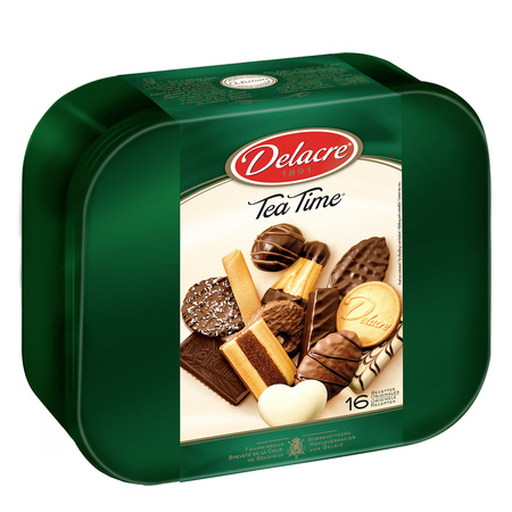 Image unavailable
Consider this if you’d like to serve a selection of biscuits with tea rather than a classic digestive. Before sharing an assortment, check the ingredients and allergens in the biscuits it contains.
No. The DGCCRF says that displaying Nutri-Score is voluntary. Nutrition information is compulsory for most prepacked foods, so check it even if there’s no Nutri-Score on the pack.
Start by identifying the type of recipe, then compare the nutritional values on the same per-100 g basis. Also check the ingredients and the portion you plan to serve: two different-sized packs don’t necessarily offer the same serving option.
Read the ingredients and precautionary allergen warnings for each product: depending on the recipe, it may contain wheat, milk, egg, soya, sesame or nuts. The name “digestive”, “tea biscuit” or “butter biscuit” doesn’t tell you which allergens are in the pack you’ve chosen.
Follow the storage instructions on the pack. For St Michel Galette au bon beurre, the brand recommends storing it in a dry place, away from heat and light. Reseal the pack after opening or use an airtight container.