People managing a large household or office
If several people regularly enjoy a herbal infusion, you’ll want tea bags that are easy to share and stock that’s easy to identify.


A pack of 240 tea bags may suit a large household or shared space if everyone who uses it enjoys the same blend and the packaging makes it easy to distribute. For older people who may drink it regularly, the ingredients matter more than the quantity: Anses advises particular caution around high, repeated consumption of liquorice. According to Manger Bouger, unsweetened herbal infusions can add variety to your drinks, while water remains the recommended drink.
If several people regularly enjoy a herbal infusion, you’ll want tea bags that are easy to share and stock that’s easy to identify.
Check the ingredients before considering the pack size. Anses highlights the risks associated with high, repeated consumption of liquorice, as well as possible interactions with certain medicines.
An unsweetened herbal infusion offers a different flavour throughout the day. Manger Bouger says it can count towards your drinks, but it does not replace water as the recommended drink.
When buying shared supplies for older people, first check the blend and the needs of those who will be drinking it. Then consider the number of tea bags and how to distribute the boxes.
| What to consider | What to check | Who this matters to |
|---|---|---|
| Ingredients for regular use | Read the ingredients for the exact blend, paying particular attention to whether it contains liquorice. If you have a medical condition or take medication, ask a healthcare professional for advice before using it regularly. | If I’m often offering the same herbal infusion to an older person who takes medication, I want to know what it contains before buying a large pack; around 44% of consumers make this their top priority. |
| Managing your stock | Check the total number of tea bags and the number of boxes inside the pack: the Lipton Grand Sud Liquorice & Mint pack shown on Amazon.fr contains 12 boxes of 20 tea bags, not one dispenser box. | When several people use the supplies in different spaces, I want to be able to share out the boxes without making storage complicated; this is the top priority for around 33% of consumers. |
| Flavours and unsweetened drinks | Compare the blends and their preparation instructions. If caffeine-free is important, check the details for the specific product. | If people at home have different tastes, I’d rather offer a selection of unsweetened herbal infusions than just one blend; around 23% of consumers prioritise this variety. |
A blend bought in a large pack may be consumed repeatedly. Anses links high, repeated consumption of liquorice with health risks, including high blood pressure and low blood potassium; the 240-tea-bag Lipton Grand Sud Liquorice & Mint pack contains liquorice.
Start by choosing ingredients that are suitable for the people who will be drinking it. If someone with a medical condition or taking medication plans to drink it regularly, ask a healthcare professional for advice.
On Amazon.fr, the 240-tea-bag Lipton Grand Sud Liquorice & Mint pack comes as 12 boxes of 20. You can distribute these individual boxes, but they don’t work as a single dispenser.
Check how many boxes there are and how many tea bags each contains, then plan where to store them and make them available.
A ‘wellbeing’ label or large pack size doesn’t tell you what an older person needs. Manger Bouger presents unsweetened herbal infusions as a way to add variety to your drinks, while water remains the recommended drink.
If someone has difficulty eating or swallowing, needs to restrict their fluid intake or has a complex medication regime, discuss suitable drinks with the healthcare professional looking after them.
The range includes the Grand Sud Liquorice & Mint herbal infusion, available on Amazon.fr in a pack of 12 boxes of 20 tea bags.
Carrefour’s herbal infusion range includes several blends, often in boxes of 20 or 25 tea bags.
The Twinings herbal infusions featured by Carrefour include herbal, fruit and spice blends, available as tea bags or in boxes.
These herbal infusions in tea bags let you choose a blend or add variety to your drinks without buying a pack of 240. Pack sizes range from 15 to 100 tea bags. For a shared space, compare the ingredients, preparation instructions and number of boxes you’ll need.
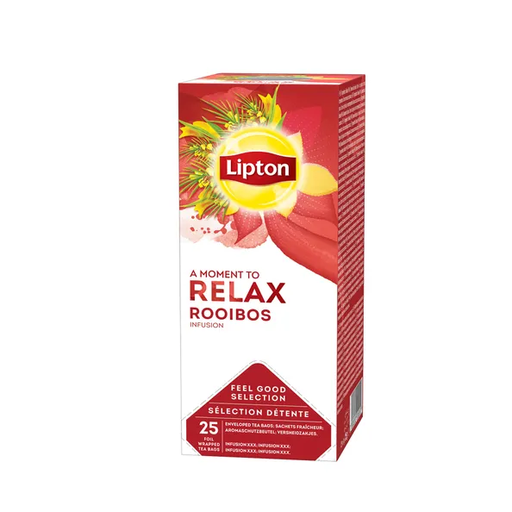 Image unavailable
Worth considering if you’d like a rooibos blend rather than a large pack to share. This product contains 25 tea bags; Joybuy’s product details say it is caffeine-free, but that alone isn’t enough to determine whether it’s suitable alongside medication.
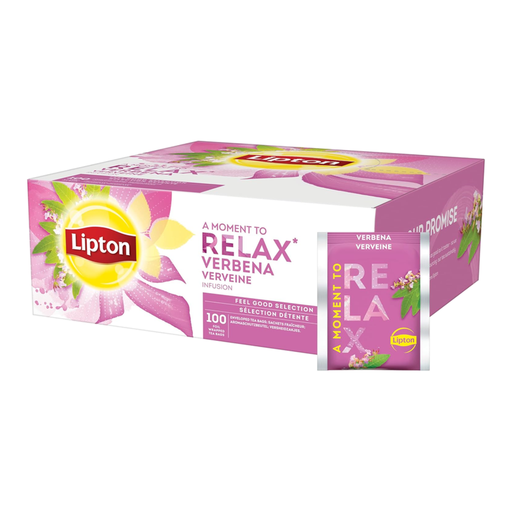 Image unavailable
If you want to stock up on one blend in a mid-sized pack, this set contains 100 verbena tea bags, not 240. Check the ingredients on the packaging if several people will be drinking it.
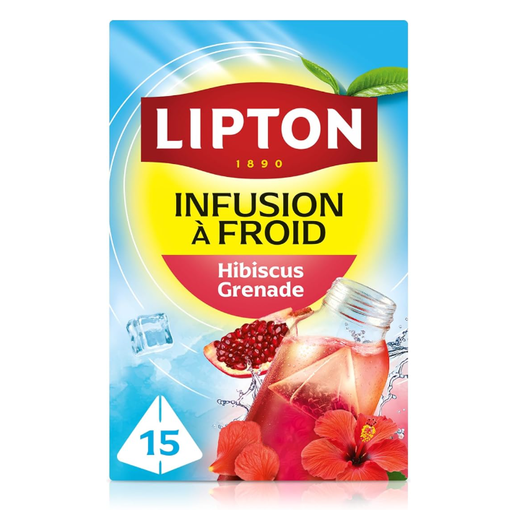 Image unavailable
If you’d like to offer a cold-brew infusion instead of just one hot blend, this box contains 15 tea bags. Joybuy’s product details say it is sugar-free and caffeine-free; the smaller pack means you’ll need more boxes for shared use.
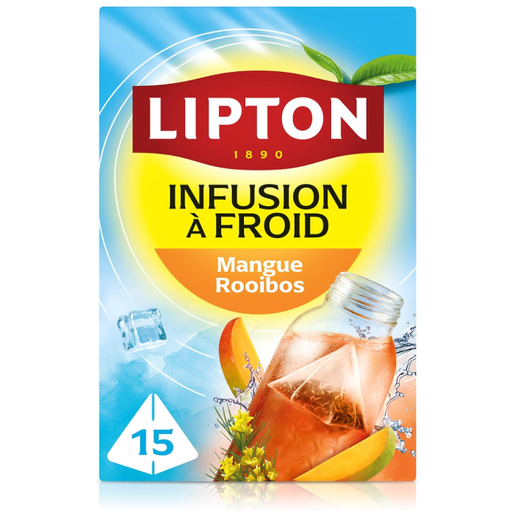 Image unavailable
This cold-brew rooibos and mango infusion offers another blend in a box of 15 tea bags. Check the packaging for the amount of water to use before preparing it.
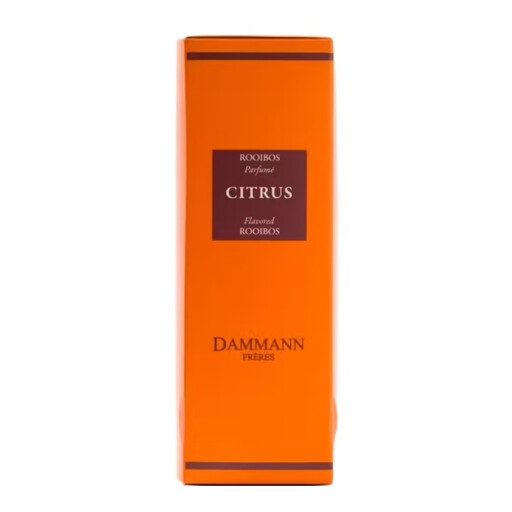 Image unavailable
Add variety to your rooibos selection with this citrus version, which contains 24 tea bags and weighs 48 g. Check the full ingredients list if certain herbs or citrus fruits need to be avoided.
Yes, it can count towards the drinks they have throughout the day. However, Manger Bouger says water remains the recommended drink; a herbal infusion is mainly a way to add variety.
No. The Lipton Grand Sud Liquorice & Mint product featured on Amazon.fr contains 12 boxes of 20 tea bags. Check the packaging details if you plan to put the tea bags in a dispenser or share the stock between several rooms.
It shouldn’t be assumed to be suitable for everyone to drink regularly. Anses warns against high, repeated consumption of liquorice, particularly for people with certain medical conditions or taking medication. Ask a healthcare professional for advice about the person concerned.
No, this description doesn’t tell you what someone’s nutritional needs are. If they have difficulty eating, need to restrict their fluid intake or take medication, discuss their choice of drinks with the healthcare professional looking after them.