
Livraison le jour même ou le lendemain

Qualité garantie

Débloquez vos offres de bienvenue: Livraison GRATUITE | Jusqu'à -80 % | 30 jours d'essai gratuits à JoyPlus
Téléchargez l'application
A tamarind drink stands out with its sweet, tangy and sometimes slightly salty flavour. It pairs just as well with a Thai dish as it does with a simple refreshing break. However, not every product is suited to the same uses. Whether you are choosing ready-to-drink tamarind juice, an individual can or a case for a restaurant, the right option mainly depends on the ingredients, format and quantity you need.
Before placing your order, three common mistakes are worth avoiding:
The ingredients list is the first point of reference. A drink may contain tamarind pulp, juice, an extract or a combination with different acidity regulators. This information alone cannot predict the final taste, but it does give you a clear indication of the recipe.
For example, T.A.S. drink lists 30.0% tamarind pulp, along with water, sugar and citric acid. This is useful when comparing it with other products. The flavour can nevertheless vary depending on the fruit variety, concentration and balance between sweetness, acidity and salt.
When comparing several Asian tamarind drinks, use the same basis: values per 100 ml or 100 g. The information provided for FOCO Tamarind Juice indicates 8.5 g of sugars and 43 kcal per 100 ml. T.A.S. drink lists 13.6 g of sugars and 69 kcal per 100 g, while SAGIKO indicates 19.4 g of sugars and 81 kcal per 100 ml.
These figures are not medical advice. They simply help you choose a drink according to your tastes and the role it plays in your diet. If you prefer a less sweet, more vibrant flavour, also check whether it contains salt, citric acid or other acidity regulators.
An Asian soft drink is generally available in an individual can or bottle. This format is easy to pack for lunch, a picnic or a takeaway meal. Once opened, some products need to be refrigerated and consumed within the period stated on the packaging.
For a restaurant, caterer or Asian grocery shop, the price per unit and storage space are just as important as the flavour. A case of 24 cans makes restocking easier, but check its best-before date, storage conditions and how quickly you expect to sell it. Before opening, store the products in a cool, dry place, in accordance with the label instructions.
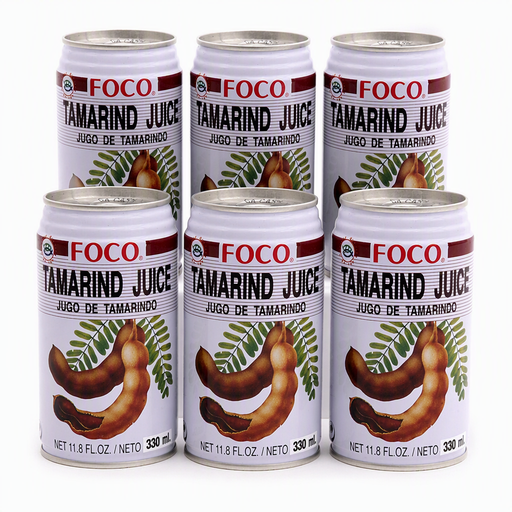
Why it suits this profile : with six 350 ml cans, this pack lets you try tamarind without immediately committing to a full case.
Its mid-sized format reduces the risk of overstocking, while the information provided confirms that the recipe contains tamarind pulp.
Six 350 ml cans, 8.5 g of sugars and 43 kcal per 100 ml according to the information provided.
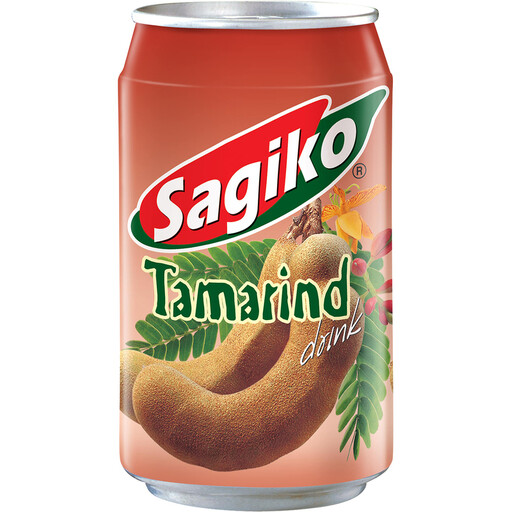
Why it suits this profile : its individual format and tamarind extract recipe fit easily into a selection of exotic drinks served well chilled.
The product details clearly specify the tamarind extract and the acids used. This makes it easy to distinguish the recipe from a simple flavoured drink.
320 ml bottle, no declared allergens, with a detailed nutrition table for 100 ml and for the full bottle.
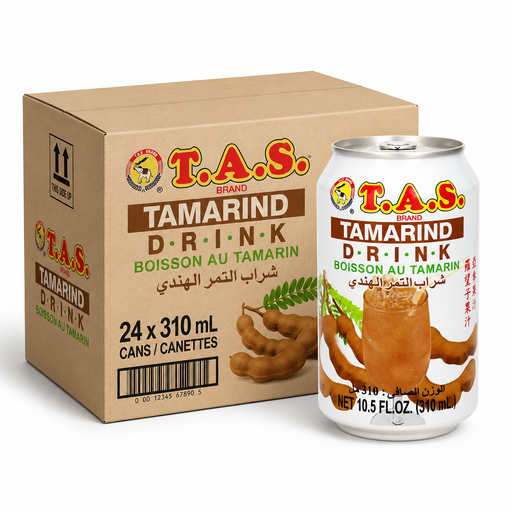
Why it suits this profile : this case is suitable for restaurants, caterers, offices, events and households expecting several servings or occasions to enjoy the drink.
The number of cans and their volume are stated clearly in the product details, making it easy to estimate your requirements and the storage space needed.
24 cans of 310 ml, a stated 30.0% tamarind pulp content and a recommendation to shake before serving.
We have brought together a complete, real-time selection of products that meet these purchasing criteria, as well as European regulatory requirements for safety.
Most ready-to-drink products are best enjoyed well chilled, straight from the can or poured over ice. If recommended on the label, gently shake the drink before serving, as the pulp may settle at the bottom.
Tamarind juice pairs particularly well with spicy, fried or sweet-and-sour dishes. It also works well with Indian and Vietnamese cuisine, as well as other South-East Asian specialities. For an event, refrigerate the cans well in advance and make sure you have enough space to store them.
The sweet-and-savoury tamarind drink can also be used as the base for a mocktail. Gradually add it to sparkling water or citrus fruit to preserve the balance between acidity and sweetness. This use does not alter the storage instructions given on the packaging.
It depends entirely on the brand and recipe. The products featured contain between 8.5 g and 19.4 g of sugars per 100 ml or 100 g, depending on the unit used in the product details. For a meaningful comparison, always check the nutritional values on the same basis.
Before opening, product information generally recommends storing it in a cool, dry place. Once opened, T.A.S. drink should be refrigerated and consumed within three days. However, always follow the storage conditions stated on the label of the product you receive.
A case of 24 cans is suitable for regular consumption and makes restocking easier. If you would first like to test demand or offer several flavours, a pack of six keeps the initial investment lower. The right choice will depend on the number of customers, how often you place orders and the amount of storage space available.