
Livraison le jour même ou le lendemain

Qualité garantie

Débloquez vos offres de bienvenue: Livraison GRATUITE | Jusqu'à -80 % | 30 jours d'essai gratuits à JoyPlus
Téléchargez l'application
A tamarind drink stands out with its sweet-and-tangy flavour, quite different from that of a classic tropical fruit juice. It pairs just as well with a Thai meal as it does with an afternoon snack, buffet or break at work. However, the experience can vary significantly from one product to another: the amount of pulp, sugar content, format and storage conditions all deserve careful consideration.
Before choosing a tamarind juice, take a moment to check the essential information and choose a product suited to your needs.
Some drinks suggest a tamarind flavour without containing a significant amount of tamarind. To get a clearer picture, start by checking the ingredients list. For example, T.A.S. drink contains 30.0% tamarind pulp, while other products mention only an extract, a flavouring or an unspecified quantity.
This percentage alone is not enough to predict the taste, but it gives you an objective basis for comparing recipes.
Tamarind has a fairly pronounced acidity, which is generally balanced with sugar. A sweet ready-to-drink beverage can therefore contain a considerable amount of carbohydrates, even when sold as an exotic speciality.
Here are a few useful reference points:
The reference units are not always the same. To compare products accurately, convert the values to 100 ml or an equivalent serving, rather than relying solely on the drink’s name.
A 310 or 320 ml can is suitable for individual consumption. A six-pack is more practical for several meals, while a case of 24 units is better suited to events, catering or resale.
However, it is best not to tie up your budget in a large quantity before tasting the drink. For a first order, a single can or small pack lets you check the balance between acidity and sweetness.
Check the order of the ingredients: they are generally listed in descending order by quantity. A recipe made with water, tamarind pulp, sugar and citric acid is easy to understand. Depending on your preferences, also look out for any salt, flavourings, thickeners or preservatives.
For a Thai drink or Asian tamarind drink, also check the country of origin, the manufacturer, importer or responsible person in the European Union.
The products in this selection cover several uses:
Cans are easy to store and serve. After opening, some drinks must be refrigerated and consumed within three days: always check the label of the product concerned.
An unopened tamarind drink can generally be stored in a cool, dry place away from direct light, in accordance with the manufacturer’s instructions. Before consuming it, check the best-before date, the condition of the can and make sure it is not swollen or damaged.
If you order in bulk, organise stock rotation to avoid keeping several cases beyond the stated date.
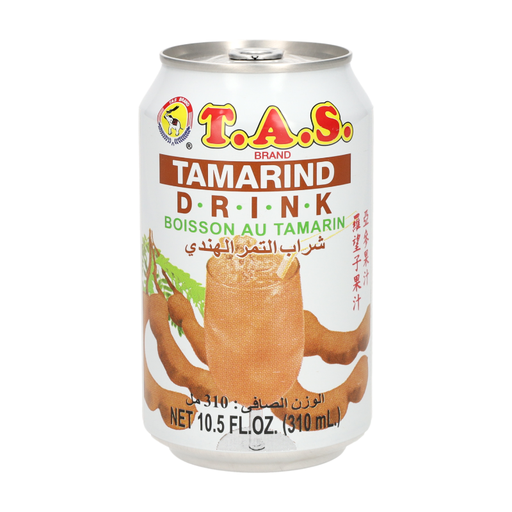
Why this choice suits this profile : Its individual format lets you discover tamarind drink without investing in a large pack. The recipe lists 30.0 % tamarind pulp. Serve the drink well chilled or over ice.
The ingredients and nutritional values are shown on the product page: 69 kcal and 13.6 g of sugars per 100 g. You can therefore check the recipe before buying.
310 ml can, with no declared allergens. After opening, keep refrigerated and consume within three days.
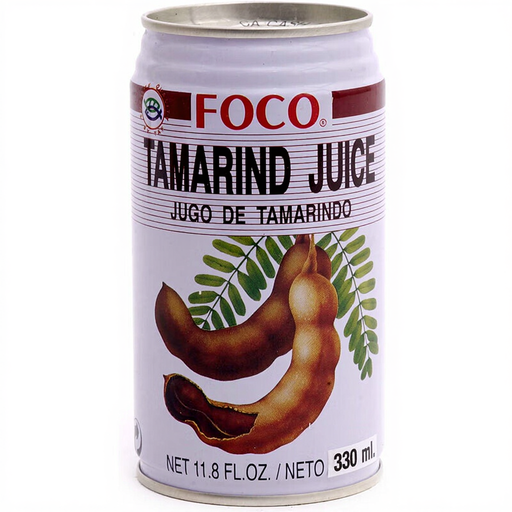
Why this choice suits this profile : This canned tamarind drink is aimed at those looking for an attractive presentation to accompany an Asian meal or create an assortment of exotic drinks.
The product page states that this drink is made with tamarind pulp, rather than being a simple flavoured drink with unclear ingredients.
350 ml format, 43 kcal and 8.5 g of sugars per 100 ml according to the product page, with a recipe based on water, pulp, sugar, citric acid and salt.
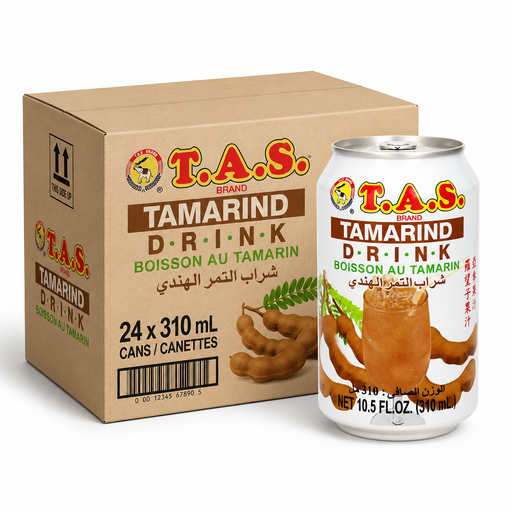
Why this choice suits this profile : The case of 24 cans meets the needs of restaurants, associations, offices, event organisers and resellers who want to serve identical portions.
The contents are stated clearly : 24 cans of 310 ml. This allows you to estimate the requirements for a service or event without juggling several formats.
Recipe listed as containing 30.0 % tamarind pulp, storage in a cool, dry place, and best served chilled or over ice.
If you enjoy more intense flavours, you can complement your order with tamarind sweets or a spicy speciality. Philippine Brand Dried Mango Tamarind Balls combine dried mango, tamarind, sugar and a hint of chilli. According to the available information, each bag contains approximately 19 to 21 individually wrapped pieces.
The product contains sulphites and should be stored in a cool, dry place. Anyone with sensitivities should read the label carefully. TAMARIND HOUSE Spicy Tamarind, meanwhile, combines tangy tamarind with sugar, salt and chilli. Its product page states 55.3 g of sugars and 4.4 g of salt per 100 g: figures worth bearing in mind for an occasional snack.
We have compiled a complete, real-time updated list of products that fully meet these strict selection criteria and European safety regulations.
If recommended on the label, gently shake the can, then serve the drink well chilled. You can also pour it over ice cubes. Its tangy flavour pairs particularly well with spicy dishes, curries, noodles and fried foods.
It depends on the product. For T.A.S. drink, the product page recommends refrigerating it after opening and consuming it within three days. To avoid any unpleasant surprises, always follow the product label.
For a few guests, a six-pack of cans may be sufficient. For a restaurant, buffet or resale operation, a case of 24 units makes portion management easier. If your guests are trying tamarind for the first time, also provide a few individual cans so you can gather their preferences before ordering in larger quantities.