
Livraison le jour même ou le lendemain

Qualité garantie

Débloquez vos offres de bienvenue: Livraison GRATUITE | Jusqu'à -80 % | 30 jours d'essai gratuits à JoyPlus
Téléchargez l'application
Equipping a kitchen or preparing a special meal is about more than simply choosing a colour or pattern. Tableware should suit the number of guests, the appliances you use and how often it will be washed. To avoid disappointing purchases, it is also important to distinguish verifiable information from purely marketing-led claims.
An elegant plate may turn out to be too small for a dish with sauce, too fragile for regular use or difficult to stack in a cupboard. Always check its diameter, depth and compatibility with your storage space. For a family, a ceramic dinnerware set containing several sizes makes it easier to serve starters, main courses and desserts.
The labels microwave- and dishwasher-safe do not necessarily apply to every item in a set. Plastic lids, for example, may need to be washed by hand or require specific precautions when reheating. Read the instructions for each piece, particularly when buying ramekins with lids.
‘Eco-friendly’, ‘biodegradable’ and ‘compostable’ are not interchangeable terms. The available waste-processing route depends on the material and local guidance. Disposable sugarcane-pulp bowls or bamboo plates may be suitable for a barbecue, but check their capacity, rigidity and intended use before placing your order.
For everyday use, ceramic plates and glazed stoneware offer an attractive presentation and simple care. A reliable product description should specify the material, finish and precautions needed to prevent thermal shock. The statement ‘lead- and cadmium-free’ can be a useful indication, but compliance should be assessed using the regulatory information and data provided by the manufacturer.
Stainless-steel cutlery is well suited to everyday meals, provided you check exactly what the set contains. Knives, forks, tablespoons and teaspoons are not always included in the same quantities.
To avoid unpleasant surprises, compare the measurements with those of your crockery cupboard and take your habits into account:
Placemats also have their uses. A washable, non-slip model protects the surface while making table setting easier, particularly for a family meal or a reception.
Before choosing tableware advertised as microwave- and dishwasher-safe, make sure that this indication applies to the pieces you are interested in. Avoid abrasive sponges on decorative finishes and sudden changes in temperature with ceramic items.
For single-use products, check the number of pieces per pack as well as the sorting instructions applicable in France. Sugarcane-pulp bowls and plant-fibre lunch boxes are practical for events, but how they are processed after use depends on the infrastructure available locally.
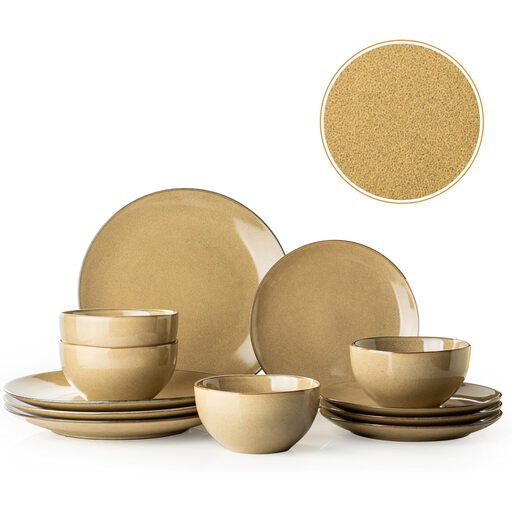
Why this choice suits this profile : This set includes 4 dinner plates, 4 salad plates and 4 bowls, providing a well-rounded foundation for four people without having to buy each item separately.
The detailed contents reduce the risk of discovering that the set is incomplete. The product description also states that it is dishwasher- and microwave-safe.
Glazed stoneware advertised as lead- and cadmium-free, 12 pieces, diameters of 26.7 and 20.3 cm, 680 ml bowls.
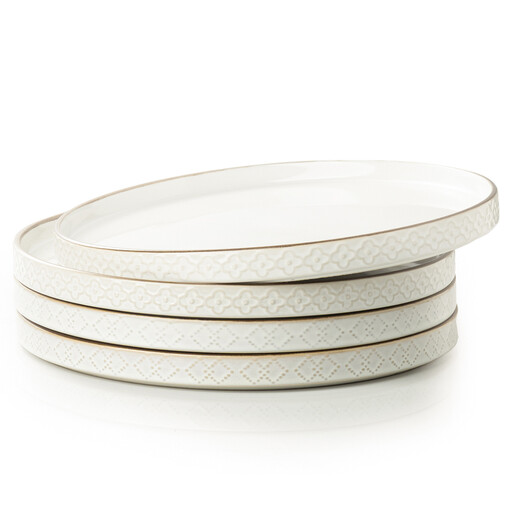
Why this choice suits this profile : These large plates are ideal for elegant presentation and meals featuring dishes with sauce, pasta or generous portions.
The stated 26 cm diameter and thick construction let you check the available space before buying, rather than relying on photos alone.
Integrated embossed patterns, stackable design, advertised compatibility with the oven, fridge, freezer, microwave and dishwasher.
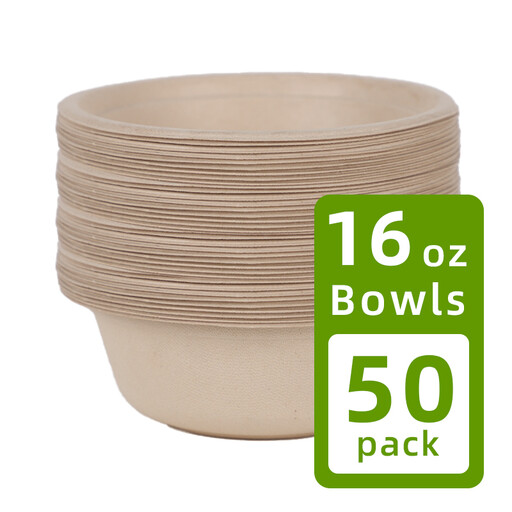
Why this choice suits this profile : The pack of 50 bowls meets the needs of a barbecue, family party or occasional service without using your reusable tableware.
The 500 ml capacity and quantity per pack are clearly stated. The product description presents them as leak-resistant and heat-insulating.
Disposable sugarcane-fibre bowls, pack of 50, size suited to soups and meals served outdoors.
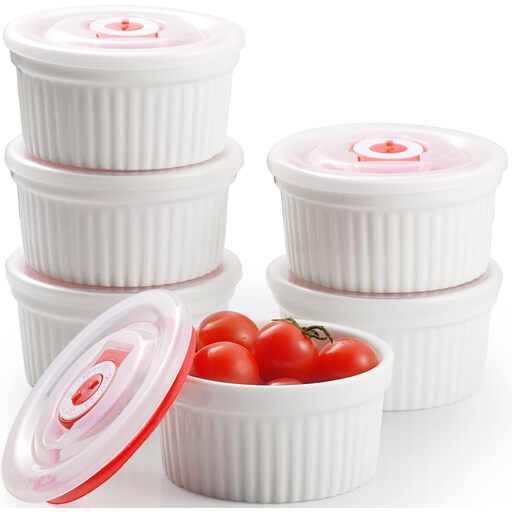
Why this choice suits this profile : The six 237 ml ramekins are suitable for individual desserts, sauces and storing small homemade preparations.
The lids are separate from the ramekins and care instructions are clearly specified : hand washing is recommended and the vent should be opened before reheating.
Six porcelain pieces with six dated lids, with the ramekins advertised as suitable for the oven, microwave, freezer and dishwasher.
We have put together a complete, real-time updated list of products that fully meet these strict selection criteria and European safety regulations.
Ceramic, stoneware and porcelain are suitable for reusable tableware, with differences in weight, finish and resistance to knocks. For outdoor meals or larger gatherings, biodegradable disposable tableware can reduce the washing-up, provided you check its composition and the relevant sorting instructions.
Use a standard washing-up liquid, avoid abrasive products and allow the pieces to return gradually to room temperature after being used in the oven or microwave. Even when a plate is advertised as durable, knocks against the sink and sudden temperature changes can cause chips.
For sandwiches, burgers and pasta, takeaway lunch boxes made from sugarcane pulp offer a practical format. Depending on the model, they may also have an integrated lid. For soups, choose a bowl whose capacity and leak resistance are clearly stated. Also compare the quantity per pack, the storage space required and the sorting rules applicable in your local area.