
Livraison le jour même ou le lendemain

Qualité garantie

Débloquez vos offres de bienvenue: Livraison GRATUITE | Jusqu'à -80 % | 30 jours d'essai gratuits à JoyPlus
Téléchargez l'application
Buying tableware plates seems simple… until you end up with a stack that is too fragile, an impractical size or a surface that is difficult to maintain. Between dinner plates, flat plates, soup plates and divided designs, the differences are about more than just style.
Here are the criteria to check to avoid disappointment and choose crockery that is genuinely suited to your everyday needs.
Some products use the terms “plate” or “tray” in their title even though they are not intended for food contact. The DEROMA Recycled Plastic Plate, Camel, 45 cm, for example, is a saucer designed for flower pots. It protects a surface from water, but its product details state that it must not be used as a food container.
Before ordering, check the intended use, the material and the manufacturer’s warnings. A large diameter alone does not make a product suitable as a presentation plate.
A stainless steel plate generally withstands knocks well, but it can heat up quickly and is not usually suitable for microwave use. Ceramic offers a more traditional presentation, but it may crack if dropped or exposed to thermal shock.
The term unbreakable plates therefore needs to be viewed with some caution: it often refers to good resistance during normal use, not absolute protection against deformation, scratches or impacts.
A product description may state that an item is suitable for the dishwasher, oven or freezer. However, this information should be checked for the exact reference and followed in line with the manufacturer’s recommendations. A decorated plate, one with a matt finish or one made from a natural material such as slate may require hand washing.
Ease of use also depends on storage, drying and how easy it is to replace broken pieces. A slightly more expensive plate, sold as part of a matching set, may prove far more practical than an assortment that is impossible to add to.
For any product intended to come into contact with food, look for a clear statement confirming food-contact suitability, along with any available regulatory information. References to foreign standards, such as GB 4806.9 or FDA, do not remove the need to check the manufacturer’s instructions and the compliance requirements applicable to a purchase in France.
A flat plate measuring 25 to 28 cm is generally suitable for main courses. A diameter of 19 to 22 cm is more versatile for a starter, dessert or smaller portion. Soup plates are particularly well suited to soups, pasta with sauce and stews.
Also examine the height of the rim: a wide edge enhances presentation but reduces the surface area actually available. Before choosing a large diameter, measure the space in your cupboards and dishwasher.
“Dishwasher safe” must be stated explicitly in the product details. The same applies to oven, freezer, induction hob and microwave compatibility. A stainless steel plate may be advertised as suitable for an oven, steam oven or induction hob without necessarily being suitable for microwave use.
For divided plates, check the number of sections, their depth and the overall diameter. Three compartments may be suitable for a child’s meal or an outdoor lunch. Five sections keep foods more separate, but also take up more space in cupboards.
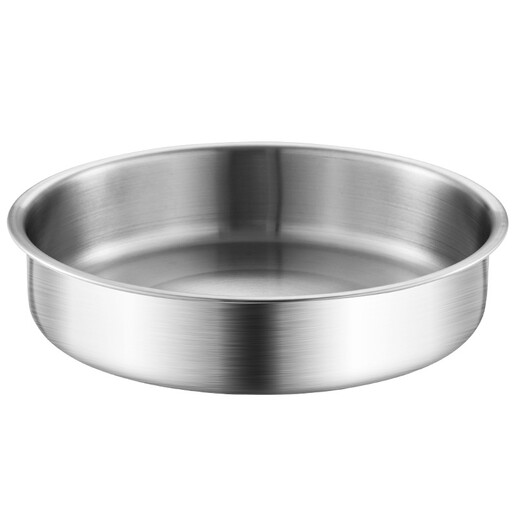
Why this choice suits this profile : this stainless steel soup plate is designed for versatile everyday use. Its surface is described as easy to clean and its construction is resistant to knocks.
Its material means you do not have to choose fragile ceramic when resistance to drops is the priority. However, use gloves when handling the hot plate and follow the stated limitations.
304 stainless steel, a 20 cm format and stated suitability for use in an oven and steam oven. The product details advise against microwave use unless otherwise specified.
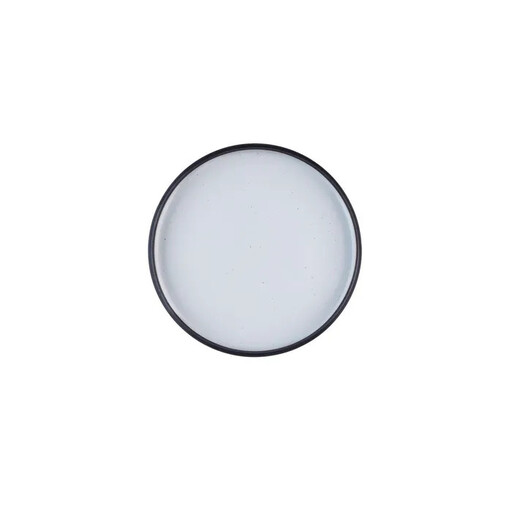
Why this choice suits this profile : this set of four ceramic plates features a deep onyx shade, a 21.5 cm size and a refined enough presentation for everyday meals as well as more carefully laid tables.
The standardised set avoids differences in size between the pieces. However, the product details recommend hand washing and advise against sudden temperature changes.
Set of four plates, ceramic described as durable, smooth surface and stackable design. The model is not presented as suitable for oven or microwave use.
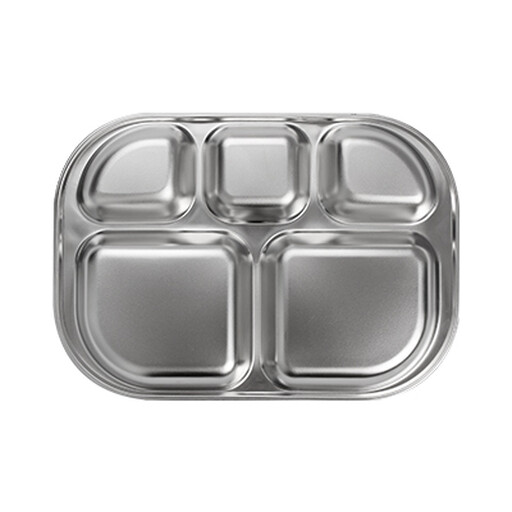
Why this choice suits this profile : its five compartments are ideal for families, campers, canteens and anyone who wants to keep foods separate or organise portions more effectively.
The separate sections prevent foods and sauces from mixing, unlike a conventional flat plate. The tray is not microwave safe and heats up when food is served at a high temperature.
304 stainless steel, five independent sections and stated dishwasher compatibility. The format is suitable for takeaway meals, camping and catering environments.
We have put together a complete, real-time updated selection of products that meet these exacting selection criteria and European safety requirements.
For a main course, a diameter of 25 to 28 cm is the most common standard. A 19 to 22 cm model is better suited to a starter, dessert or lighter portion. Remember to check the available space in your dishwasher and cupboards.
Some references are described as dishwasher-safe plates, including several stainless steel models. Check the product details and choose a gentle programme if the surface is brushed or satin-finished. Stainless steel must not be placed in the microwave unless explicitly stated otherwise.
Avoid knocks between pieces, abrasive sponges and sudden changes in temperature. Stack plates carefully, dry them after washing when recommended for the material and replace any piece showing a crack, significant chip or deformation.