
Livraison le jour même ou le lendemain

Qualité garantie

Débloquez vos offres de bienvenue: Livraison GRATUITE | Jusqu'à -80 % | 30 jours d'essai gratuits à JoyPlus
Téléchargez l'application
Buying tableware and kitchen accessories seems simple… until glasses are stacked precariously, a lid starts leaking or a mug takes up too much space in everyday use. Whether you’re shopping for a family, a coffee lover, a restaurant or a bar counter, the right choice depends above all on how the product will actually be used — not just on how it looks.
Three common pitfalls come up time and again:
The capacity should match how you intend to use the product:
Dimensions matter just as much. A travel mug designed for the car should fit into a cup holder. By contrast, a large cup or a 1.2-litre insulated tumbler is more suited to a desk, a sports bag or extended outdoor use.
For tableware, also consider the diameter, height and whether the pieces can be stacked. In a small kitchen or a catering environment, these details can make a real difference.
Every material has its advantages, but also its limitations:
In France and the European Union, items intended for contact with food must be used in accordance with their instructions. Check the manufacturer’s information about the materials, maximum temperature, dishwasher use and microwave use.
A leakproof lid does not mean that a product requires no maintenance. For a travel mug or shaker, regularly take apart the lid, straw and seals to remove any residue. Each part must be completely dry before being reassembled.
A few useful precautions:
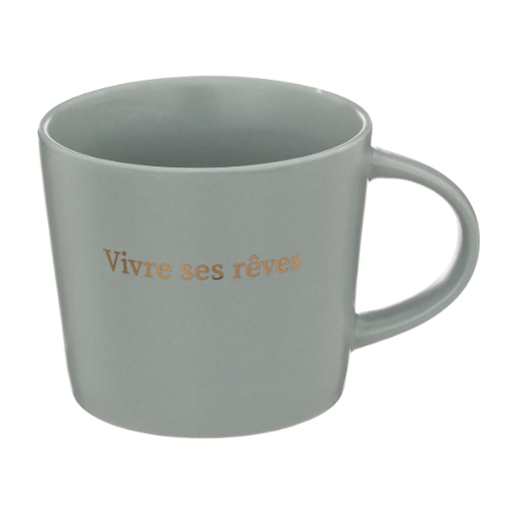
Why this choice suits this profile : At 32 cl, this mug is ideal for coffee, tea and your morning hot drinks, without taking over valuable cupboard space.
The capacity is clearly stated, and the porcelain is described as suitable for everyday use, both at home and in professional settings.
32 cl format, porcelain, stated weight of 0.31 kg and a model suitable for public-access premises according to the product details.
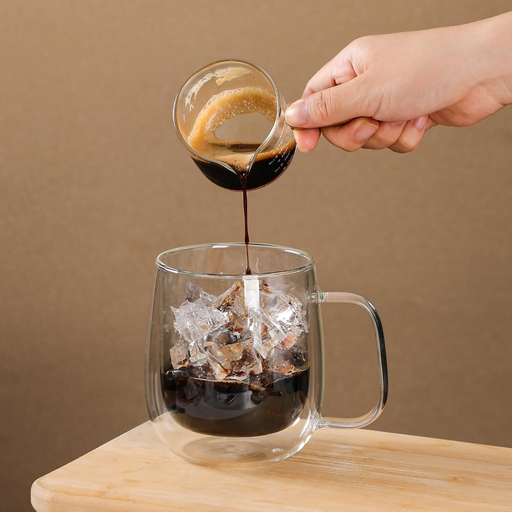
Why this choice suits this profile : The double wall showcases the colour of your drinks and works equally well for coffee and tea or cold preparations.
The product details specify the 350 ml capacity, the presence of a handle and dishwasher compatibility. So there’s no need to rely on the photo alone.
Double wall, integrated handle, transparent glass and a set of two.
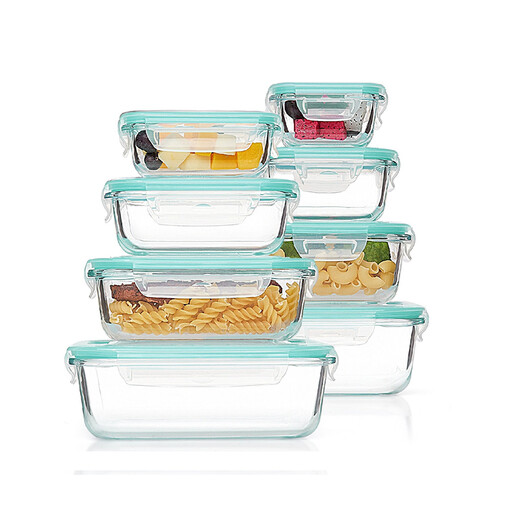
Why this choice suits this profile : With eight capacities ranging from 150 ml to 1,040 ml, this set is suitable for storing individual portions, leftovers and packed lunches.
The range of sizes means you won’t be left with containers that are always too large or too small. However, the removable lids must be washed and dried separately.
Borosilicate glass, eight different capacities and a rectangular format that’s easy to transport, with secure-closing lids.
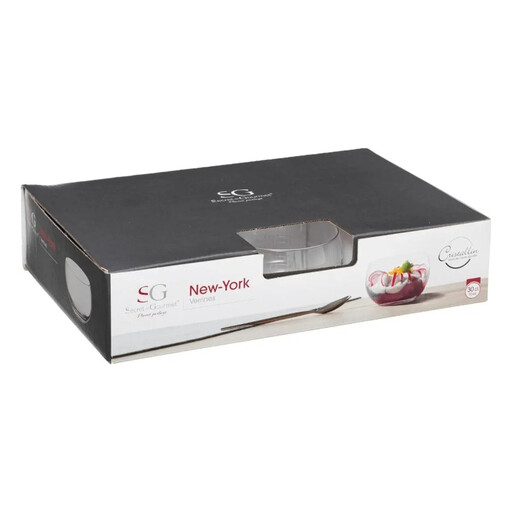
Why this choice suits this profile : Its cylindrical shape is ideal for tapas, desserts, canapés and buffet presentations.
The capacity and dimensions are stated, while the professional packaging makes it easier to prepare for several services.
27 cl capacity, transparent glass, stated European manufacture and intended use in public-access premises.
We’ve put together a comprehensive, real-time updated selection of products that meet these demanding criteria, as well as European safety requirements.
For a well-organised kitchen, several categories can be combined:
For regular use, compare the number of pieces, the dimensions when stored, the washing instructions and, where stated, the availability of replacement parts. This check is often more useful than a vague marketing promise.
Porcelain is ideal for classic mugs. Thanks to its insulating properties, stainless steel is practical for carrying drinks, while double-wall glass lets you see the drink while limiting direct contact with the heat. In all cases, check the instructions for guidance on microwave use, dishwasher use and maximum temperature.
Take apart the lid, straw and seals whenever they are removable. Wash each part according to the manufacturer’s recommendations, then leave them to dry completely before reassembling everything. Regular inspection can reveal a crack, deformation or worn seal — defects that could increase the risk of leaks.
For a household, a set of six drinking glasses will generally cover everyday meals and a few guests. A café, bar or restaurant should instead base its requirements on the number of covers, how frequently the dishwasher is used and the risk of breakage. Keeping a few extra pieces avoids having to mix several different styles during service.