
Livraison le jour même ou le lendemain

Qualité garantie

Débloquez vos offres de bienvenue: Livraison GRATUITE | Jusqu'à -80 % | 30 jours d'essai gratuits à JoyPlus
Téléchargez l'application
Buying tableware and cooking dishes seems simple… until the dimensions do not fit in the cupboard, a dish cracks after a sudden change in temperature or disposable plates fail to withstand the food being served. To avoid disappointing purchases, it is better to start with how you will actually use them, then compare the materials and care instructions rather than relying solely on appearance.
Biodegradable disposable plates and so-called eco-friendly tableware are very practical for picnics, receptions or barbecues. However, take care: ‘biodegradable’ does not mean suitable for the oven, microwave or dishwasher. Models made from palm leaves or bamboo fibre are generally designed for single use and should be kept away from flames and high temperatures.
A 27 cm plate does not offer the same comfort as a 20.5 cm model. Similarly, a 2.9 litre glass oven dish may be suitable for a family meal, yet impossible to fit in a small oven. Before ordering, measure the oven’s internal width, the depth of your shelves and the space available in your cupboards.
A product may be advertised as suitable for the oven, microwave and dishwasher, while still requiring a few precautions to prevent thermal shock. Plastic lids, for example, are not necessarily oven-safe. Also check whether the compatibility applies to the entire product or only to certain components, such as ceramic bowls without their lids.
For a tableware set, a dinner plate measuring 25 to 27 cm is generally suitable for main courses. A smaller model is better suited to dessert or starters. Bowls measuring 21 to 26 cm can hold salads, soups, cereals or pasta dishes. Ramekins of around 237 ml are well suited to individual portions, sauces and desserts.
Stackable dishes help reduce clutter in cupboards. A set of three square dishes in different sizes may therefore prove more practical than one large dish if you regularly prepare several side dishes.
A washable product requires a little more care, but can be used day after day. Disposable tableware makes tidying up after a reception easier, provided you follow the intended use and local recycling options. For sets made from several materials — for example, a bamboo tray accompanied by glass bowls — the instructions may vary from one component to another.
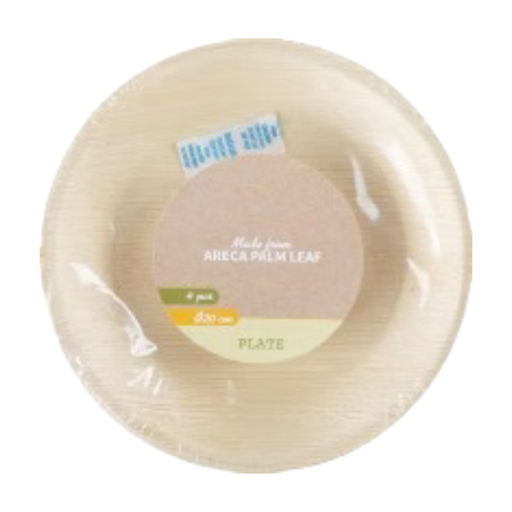
Why this choice suits this profile : This set of four deep plates is ideal for small gatherings, picnics and occasional meals when nobody wants to do the washing-up. Their 20.5 × 3 cm format is suitable for soups, dishes with sauce and pasta.
The product information states that this is a single-use product which is not suitable for the oven, microwave or dishwasher.
Palm leaf, natural beige colour and a set of four pieces.
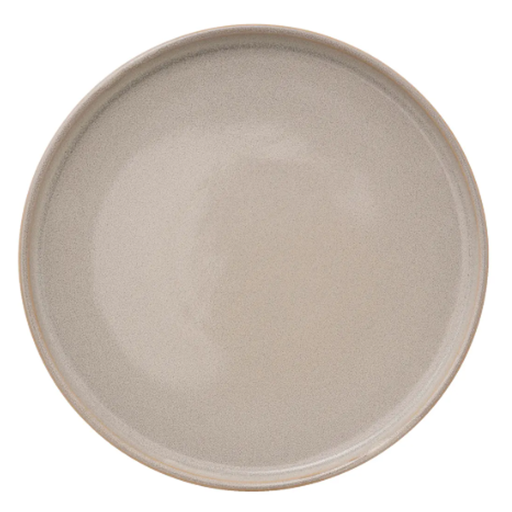
Why this choice suits this profile : With its 27 cm diameter and beige stoneware finish, this plate adds a refined, understated touch. It is just as suitable for everyday use as it is for a more carefully styled table.
Its dimensions are clearly stated, making it easy to check the available space and the look you want on the table.
27 cm diameter, stated weight of 942 g and intended use in establishments open to the public.
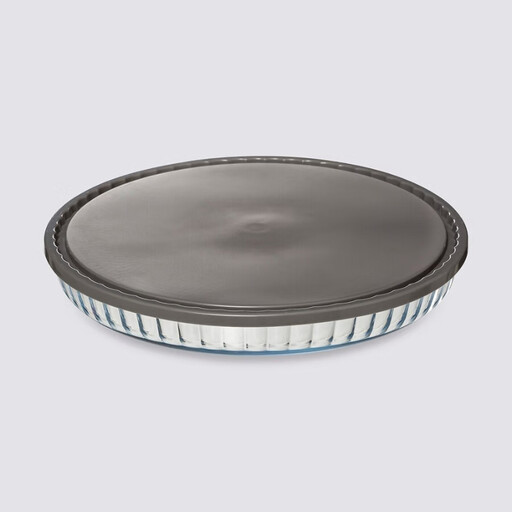
Why this choice suits this profile : With its 30 cm diameter and 2.9 litre capacity, this dish is suitable for quiches, gratins, pies and family meals. Its lid makes it easy to store or transport leftovers.
The product information distinguishes between the glass dish, which is suitable for the oven, microwave and dishwasher, and the polypropylene lid.
Borosilicate glass, 2.9 litre capacity and transparent lid for storage.
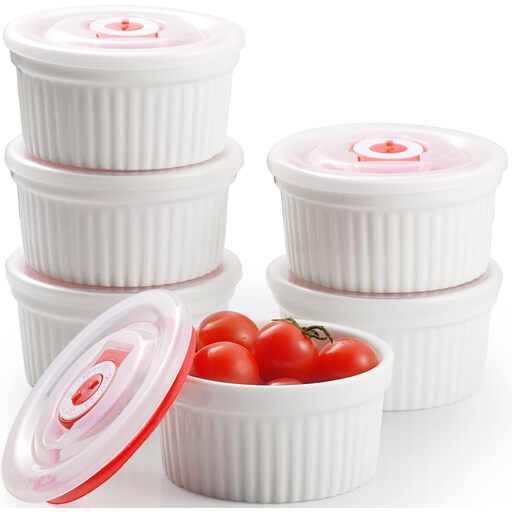
Why this choice suits this profile : These six lidded ramekins are ideal for batch cooking, individual desserts, sauces and keeping your fridge organised.
The instructions distinguish between the ramekins and the lids: the latter are not oven-safe and are best washed by hand.
Six 237 ml porcelain containers, lids with date indicators and stated compatibility with the oven, freezer and dishwasher for the ramekins.
To equip your home, start with the essentials: dinner plates, deep plates, bowls and glasses. Then add the accessories you genuinely use in the kitchen: cooking dishes, ramekins, serving bowls or a serving tray.
For a reception, plan for the number of guests with a small extra margin. Biodegradable disposable plates sold in packs of 25, 50 or 100 are practical when organising the washing-up looks set to be difficult. Compartment trays made from bamboo fibre make it easier to separate different foods, but are intended for serving rather than cooking.
For professional use, check the weight, stackability, suitability for intensive washing and whether the manufacturer’s details or the details of the responsible person in the European Union are provided. These details are particularly important for restaurants, hotels and event organisers.
Borosilicate glass allows you to monitor cooking and is practical for taking a dish from the oven to the table, when authorised by the product information. Ceramic is also very well suited to gratins and desserts, while offering a warmer presentation. In both cases, avoid sudden temperature changes and regularly check for cracks or chips.
Not necessarily. Palm, bamboo and paper plates must be used in accordance with the manufacturer’s instructions. Several models are designed only for serving food at moderate temperatures and should be kept away from the oven, microwave and flames.
Wash them with a soft sponge, avoid knocking them against the sink and allow hot items to cool before cleaning them. For storage, only stack items designed for stacking and keep the lids separately to prevent them from becoming misshapen.