
Livraison le jour même ou le lendemain

Qualité garantie

Débloquez vos offres de bienvenue: Livraison GRATUITE | Jusqu'à -80 % | 30 jours d'essai gratuits à JoyPlus
Téléchargez l'application
The tablet market has never been more vibrant, with models for every use case and budget. But this abundance can quickly become a minefield. Between jargon-filled spec sheets and marketing promises, it's hard to know where to turn. Our mission, as product experts at Joybuy, is to cut through the noise for you. This guide gets straight to the point: helping you choose THE tablet that will meet your long-term needs, without paying for features you don't need.
Before diving into comparisons, it's crucial to avoid certain marketing traps that can lead to a disappointing purchase.
To make an informed choice, focus on these three pillars that shape the daily user experience.
Size is the first criterion to consider. An 11-inch tablet or larger offers ideal visual comfort for multitasking, drawing, or watching movies. More compact models (8 to 10 inches) are more mobile and lightweight.
Beyond the diagonal size, the panel technology is paramount:
This duo dictates the smoothness, responsiveness, and scope of your tablet's capabilities.
If note-taking or drawing is part of your plan, the quality of the stylus experience becomes a decisive factor.
Also, consider the overall ecosystem. If you already own devices from a particular brand, choosing a tablet from the same manufacturer will greatly simplify syncing your data and apps.
Here are a few options that stand out by meeting specific needs, all while avoiding the traps mentioned above.
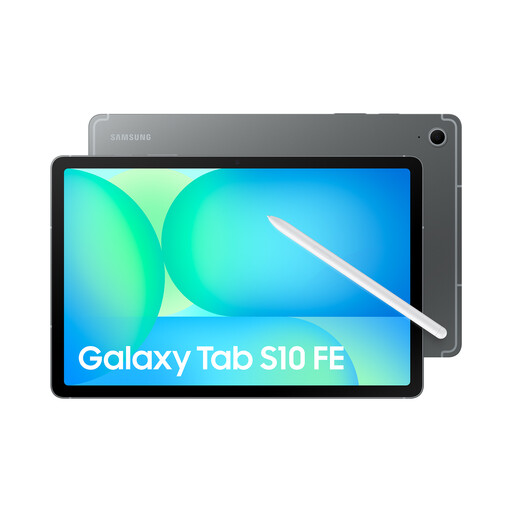
Why it stands out: Perfect for taking notes in lectures and working on the go. Its 10.9-inch format is an excellent compromise between comfort and portability. With its included S Pen, it's a complete study tool right out of the box. A strong contender for the title of best value-for-money tablet.
It counters the vague battery life trap by stating a concrete capacity of 8000 mAh and 45W fast charging. These are reliable figures that ensure it can last the day between classes.
The S Pen is included, a significant saving compared to the competition. Its IP68 certification (water and dust resistance) is a real bonus for durability when on the move.
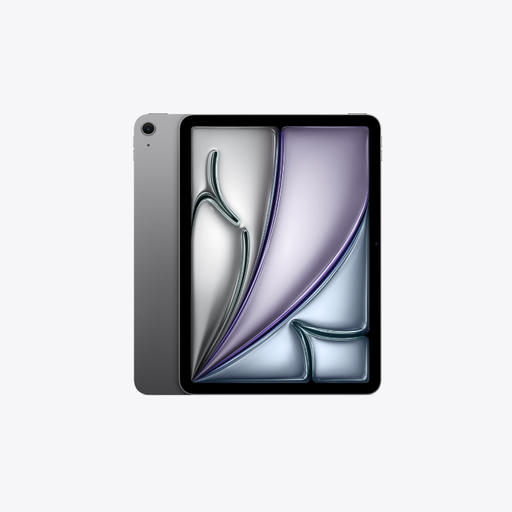
Why it stands out: For those who demand raw power for video editing, photo retouching, or digital drawing. Its large 13-inch screen provides a very comfortable workspace, and the M4 chip handles the most demanding professional apps without breaking a sweat.
It perfectly illustrates that software optimisation is king. The M4 chip and iPadOS work in symbiosis to deliver top-tier performance, with incredibly efficient memory management.
The ecosystem of professional apps on iPadOS remains unmatched. Its 13-inch Liquid Retina display ensures remarkable colour accuracy and brightness, which are essential for graphic work.
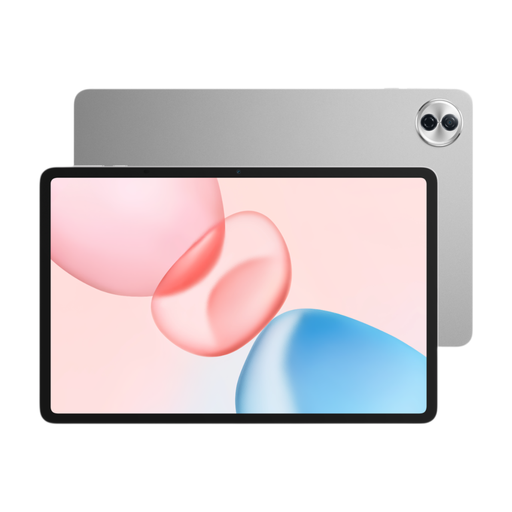
Why it stands out: Perfect for family movie nights, web browsing, and casual gaming. Its very large 12.1-inch screen offers great immersion for an affordable price point, and its 256 GB of storage is very generous.
It avoids technical one-upmanship (no costly 120 Hz screen) to focus on the entertainment essentials: a large, quality screen and a marathon 10100 mAh battery.
Its screen size-to-price ratio is unbeatable. The Snapdragon 685 processor is perfectly calibrated for streaming and daily tasks, ensuring a smooth experience without breaking the bank.
Explore our full selection of tablets, all chosen for meeting our demanding criteria and current standards.
On average, you can expect a tablet to last 3 to 5 years. This lifespan depends on your usage, how you care for the battery, and, crucially, the duration of software support. Manufacturers like Apple and Samsung generally provide updates for several years, which extends the device's relevance and security.
For most users, 128?GB is a comfortable starting capacity. It allows you to store numerous apps, photos, and download movies for offline viewing. If you plan to store large files (4K videos, creative projects), you should aim for 256?GB or more. Don't forget that many Android tablets, unlike iPads, allow you to add a microSD card to expand storage affordably.
For use primarily at home, school, or the office (wherever Wi-Fi is available), a Wi-Fi-only model is more than sufficient and more economical. The 5G (cellular) version is justified for frequent travellers or professionals who need a reliable connection everywhere, without depending on public Wi-Fi. Keep in mind that this involves an extra cost at purchase, as well as a subscription to a dedicated mobile data plan.