
Livraison le jour même ou le lendemain

Qualité garantie

Débloquez vos offres de bienvenue: Livraison GRATUITE | Jusqu'à -80 % | 30 jours d'essai gratuits à JoyPlus
Téléchargez l'application
A tablecloth is so much more than a simple piece of fabric. It's a true shield against everyday mishaps—spilled glasses, stray fork scratches—but also a centerpiece of your decor. Whether for a dinner with friends, a large family meal, or simply to elevate your dining room, finding the perfect one can quickly become a challenge.
With a multitude of materials, shapes, and finishes, it's easy to get lost. Should you opt for a stain-resistant tablecloth for peace of mind, a cotton tablecloth for its timeless elegance, or an oilcloth for unbeatable practicality? This guide is here to break down the key criteria and present our selection of the best models to help you make the right choice.
Before you begin, a few key questions will ensure your future tablecloth perfectly matches your furniture and your lifestyle.
The choice of material is crucial. It determines not only the look of your table but also (and most importantly!) how easy it is to care for on a daily basis.
A well-sized tablecloth changes everything! For a harmonious look, it should hang evenly on all sides of the table.
To help you see more clearly, here are a few models that caught our eye. They meet a variety of needs without ever sacrificing style for functionality.
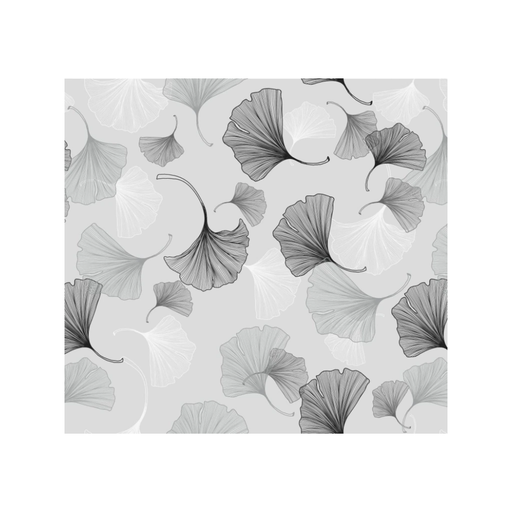
What makes it stand out: This oilcloth stands out with its contemporary Ginkgo leaf pattern, featured in shades of grey, black, and silver. It brings an instant touch of sophistication while guaranteeing the practicality of a soft vinyl tablecloth.
Key features:
Who is it for? Ideal for those who want a solution that is both decorative and hassle-free for everyday meals, especially in a modern interior.
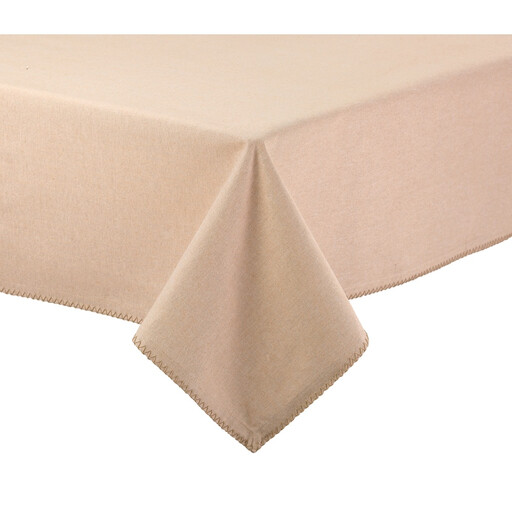
What makes it stand out: Designed by Winkler, the Delia tablecloth is the perfect marriage of eco-consciousness and elegance. It is made of 80% recycled cotton (from textile industry scraps) and 20% polyester. Its blanket stitch finish gives it an authentic and polished charm.
Key features:
Who is it for? For anyone who is eco-conscious but refuses to compromise on style and quality, even for large gatherings.
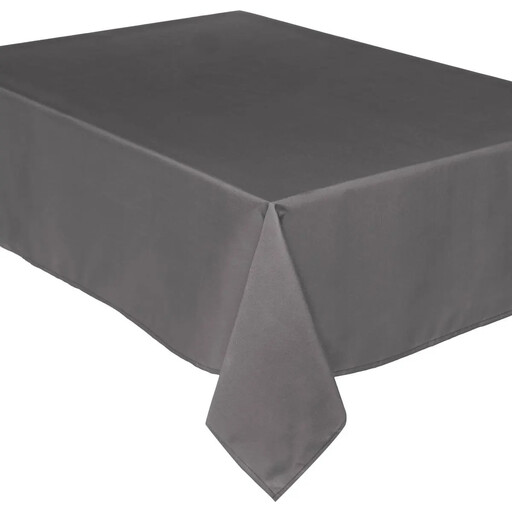
What makes it stand out: This rectangular polyester tablecloth focuses on simplicity and efficiency. Its neutral grey fits into any decor, while its stain-resistant treatment makes it the perfect ally for family meals.
Key features:
Who is it for? The smart, pragmatic choice for families with children, or for anyone looking for a functional, durable, and discreet tablecloth for everyday use.
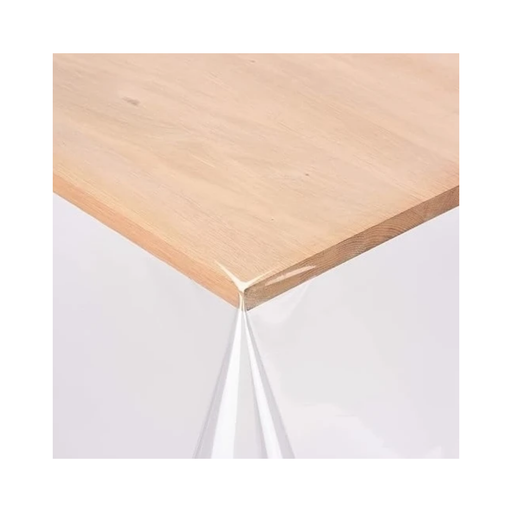
What makes it stand out: More than a tablecloth, this is a true shield for your table. Made of semi-rigid PVC with a thickness of 0.80 mm, this clear table protector offers a formidable barrier against scratches, impacts, and stains, without ever hiding the design of your furniture.
Key features:
Who is it for? Essential for anyone who cherishes their table (solid wood, glass, marble, etc.) and wants to protect it effectively without covering it up.
This selection is, of course, just a glimpse of the possibilities. Because every home is unique, there is a multitude of other models, colors, and materials to explore.
To discover a wider range, from table runners to placemats and other tablecloth styles, feel free to browse our complete collection.
? Discover Our Full Range of Kitchen & Table Linens
1. How do I clean a stain-resistant tablecloth? The secret is speed! Immediately blot the liquid with an absorbent cloth, without rubbing. Most stains will disappear like magic. For tougher ones, a machine wash at a low temperature (following the label's instructions) will do the trick.
2. What size tablecloth for a rectangular 6-person table? A standard table for 6 people measures about 90 cm wide by 160 to 180 cm long. For a nice overhang of 20 to 30 cm on each side, opt for a rectangular tablecloth about 140 cm wide by 220 to 240 cm long.
3. What's the difference between an oilcloth and a coated cotton tablecloth? An oilcloth is a canvas (often cotton) covered with a thick layer of PVC. It is 100% waterproof but also more rigid. A coated cotton tablecloth, on the other hand, receives a thin layer of coating (acrylic, for example). The result: it remains water-repellent and easy to clean but retains a much softer, more natural look and drape, similar to classic fabric.