
Livraison le jour même ou le lendemain

Qualité garantie

Débloquez vos offres de bienvenue: Livraison GRATUITE | Jusqu'à -80 % | 30 jours d'essai gratuits à JoyPlus
Téléchargez l'application
A cup that is too small for a long coffee, a glass that warms up within minutes or an uncomfortable handle can quickly turn an everyday purchase into wasted money. Whether at home, in the office, for a family or in a professional setting, table cups and glasses should be chosen according to their capacity, material and ease of everyday care.
Some marketing claims also deserve closer attention. The term ‘heat-resistant’ does not mean that a product will withstand every thermal shock. Likewise, ‘dishwasher-safe’ may apply to the material without guaranteeing that decorations or shine will retain their original appearance after repeated washing.
A 250 ml container is not necessarily suitable for every drink. For an espresso, this capacity would be excessive, while latte or tea drinkers are more likely to choose a 250 to 350 ml format. Also remember to allow space for milk, froth, ice cubes or garnishes.
Ceramic cups are popular for their good thermal inertia and timeless appearance, but they can crack after an impact. Borosilicate glass generally withstands temperature differences better than standard glass, although it is not unbreakable. A hot cup should not be placed on a wet surface or immediately filled with a very cold liquid.
A decorative model that can only be hand-washed can quickly become a daily hassle. For a large family, office or restaurant, look for the description dishwasher-safe glasses and cups. Coloured finishes, patterns and crystal-clear glass will nevertheless retain their appearance for longer with a gentle cycle and careful storage.
Shape also plays a part. A tall glass is well suited to cold drinks and layered creations. A low glass makes it easier to serve spirits or juices. A cup with a handle provides a more comfortable grip for hot drinks, while a mug should have an opening suited to the size of the ice cubes and the desired volume.
Ceramic is perfectly suited to everyday use, provided you check that it is compatible with the microwave and dishwasher. Transparent glass, meanwhile, lets you appreciate the colour of your drink. Borosilicate glassware and double-wall mugs create an insulating layer between the two walls, which can make them more comfortable to hold.
Crystal tumblers or clear crystal glassware are valued for their clarity and presentation. For frequent use, focus on capacity, thickness and dishwasher compatibility rather than appearance alone.
Before first use, wash each item with a mild detergent. Never use a container that is cracked, chipped or misshapen. For hot glasses and cups:
A kitchen measuring jug can complement this equipment when preparing coffee recipes, syrups, cocktails or desserts with precision. For children, a leakproof stainless steel kids’ bottle serves a different purpose from tableware: above all, it should be easy to carry, securely sealed and suitable for the recommended age.
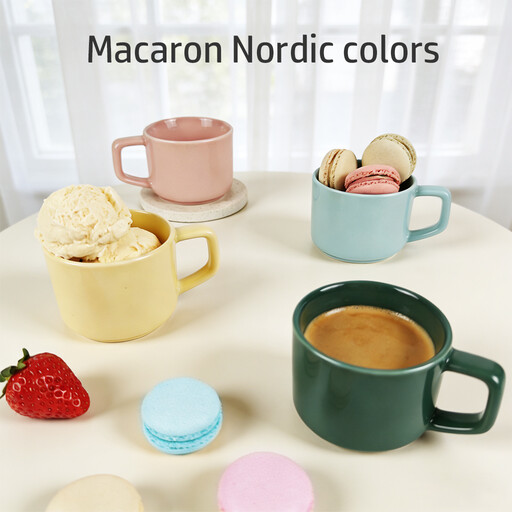
Why this choice suits this profile: this set is a great starting point, with a format suited to espressos, small servings of tea, desserts or sauces. The four colours make it easy for everyone at home to identify their own cup.
Its 120 ml capacity is clearly defined, so it cannot be mistaken for an oversized mug for espresso. The manufacturer recommends hand-washing.
A set of four food-contact-safe ceramic cups in a compact format that is easy to store.
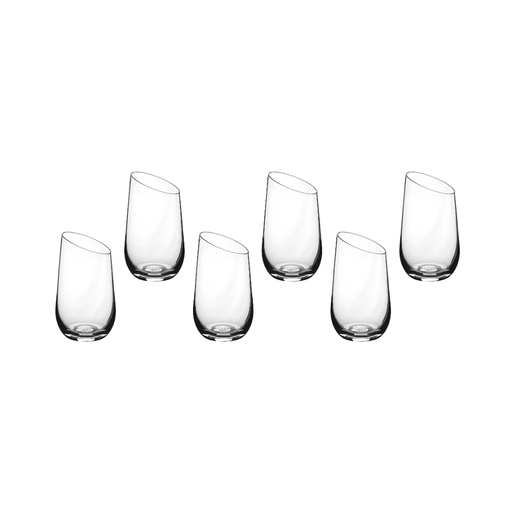
Why this choice suits this profile: with its elegant shape and six matching glasses, this model sits beautifully on a carefully laid table, at a meal with friends or in a reception area.
At 38 cl, it is designed for long drinks. It should therefore not be confused with a low 30 cl glass, which is better suited to spirits or smaller servings.
Six transparent lead-free crystal glasses, dishwasher-safe according to the product information.
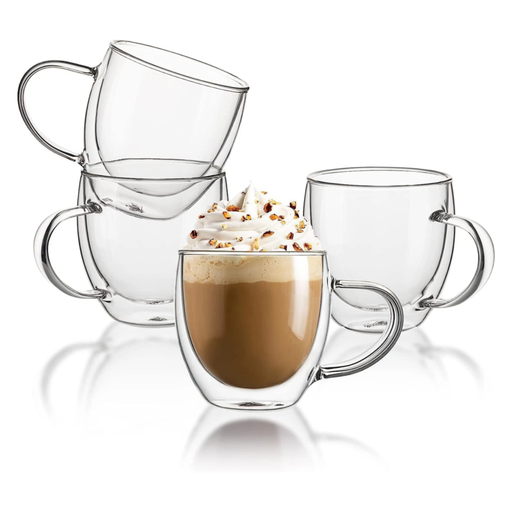
Why this choice suits this profile: coffee, tea, latte and cappuccino lovers can enjoy a handled cup and a clear view of their drinks, whether hot or cold.
The double wall does not make the glass immune to thermal shock. However, it creates a barrier between the drink and the outer surface, making it more comfortable to hold.
Lead-free borosilicate glass, 250 ml capacity, handle described as ergonomic and dishwasher compatibility indicated.
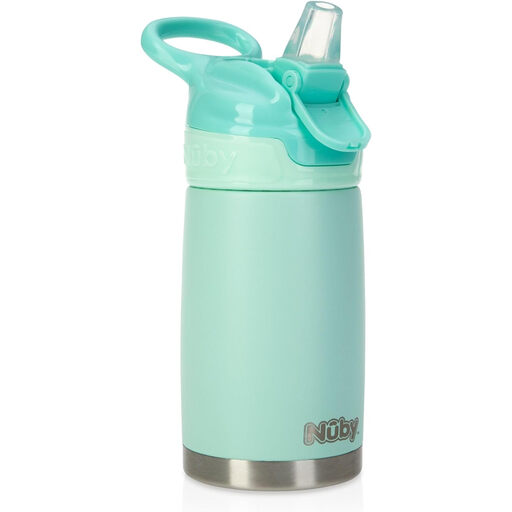
Why this choice suits this profile: this leakproof stainless steel kids’ bottle is designed for travel. It is suitable from 18 months, under adult supervision.
The Flip-It lid and integrated handle make it easy to carry. The product information recommends replacing the bottle at the first signs of wear or damage.
Stainless steel, soft silicone spout, closure with hygienic cover and freshness for up to 10 hours, as stated by the manufacturer.
We have put together a complete, real-time updated list of products that meet these strict selection criteria, as well as European safety requirements.
An 80 to 120 ml espresso cup is suitable for short extractions. For filter coffee, tea or a cappuccino, choose a capacity of around 200 to 350 ml. 415 ml mugs are better suited to large drinks, hot chocolate or soup.
Some models state this explicitly, including several double-wall mugs. Always check the product information before washing for the first time. Avoid sudden temperature changes and abrasive products, even when dishwasher use is permitted.
A 30 cl glass, generally lower in shape, is suitable for juices, spirits or drinks served with ice. At 38 cl, a tall glass offers more room for water, fizzy drinks, iced tea and long drinks. The right choice therefore depends on how you plan to serve it, the space available and your usual preferences.