What should you look for?
First decide whether the fruit will decorate a plate, go into a recipe or be served as an individual portion. Then compare the drained quantity and container size with the number of desserts you plan to make.
| What to consider |
What to check |
Who is it for? |
| Type of fruit |
Whole fruit or pieces; whether it contains stones. |
I want a small garnish to be easy to recognise on the plate without making it awkward to eat. Around 36% of consumers would put this presentation first. |
| Use in baking |
How the fruit is cut and its drained net weight, to help plan portions. |
For topping several mini desserts, I need fruit that’s easy to portion out. This versatility would be the main priority for around 29% of consumers. |
| Individual portions and sugars |
Number of pots, ingredients and sugar content per 100 g; read any ‘no added sugar’ claim carefully. |
If each guest gets their own pot, I want to serve quickly while choosing a recipe that suits me. Around 21% of consumers would put this need at the heart of their choice. |
| How much you’ll use |
Drained net weight, number of plates planned and storage instructions after opening. |
When I’m preparing just a few plates, I want to avoid opening more fruit than I can use. Minimising leftovers would be the priority for around 14% of consumers. |
Syrup-preserved fruit available on Joybuy
These products offer several ways to put together a coffee-and-dessert selection: cherries to consider as a finishing touch, pear halves to portion out, fruit cocktail in small containers and lychees for a fruity serving. Check the usable quantity of fruit and any serving instructions for each product.
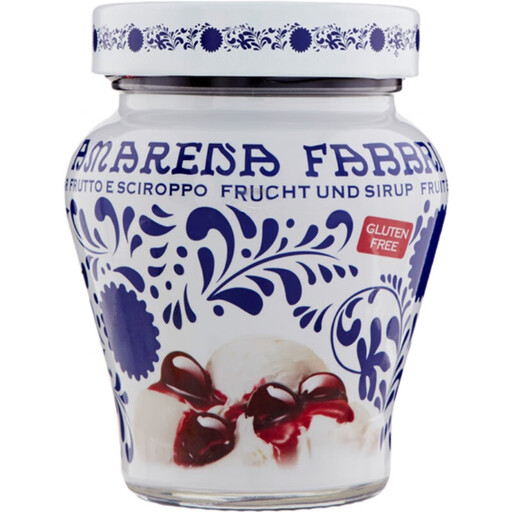 Image unavailable
FABBRI Amarena cherries in syrup, 230 g glass jar
Worth considering if you’d like to add a cherry garnish to a dessert. Check the drained net weight and whether the cherries contain stones before planning how to arrange them.
View on Joybuy
 Image unavailable
St Mamet Williams pear halves in light syrup, 455 g drained
The halved fruit is a good choice if you’re planning to cut up pears for several desserts. Check the drained weight on the pack you receive before deciding on portion sizes.
View on Joybuy
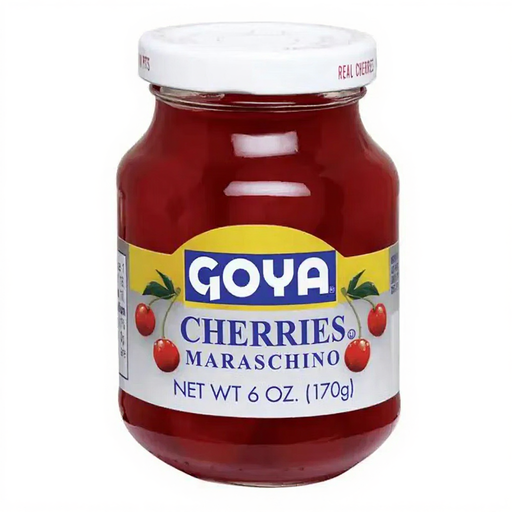 Image unavailable
GOYA maraschino cherries, 170 g
A cherry option for topping a small pastry or an ice cream sundae. Before serving, check the label for allergens, drained weight and whether the cherries contain stones.
View on Joybuy
 Image unavailable
ST MAMET fruit cocktail in syrup, 3 × 125 g
The pack of three containers may suit you if you’re splitting the fruit between several servings. Check the ingredients list and drained net weight for this product: it shouldn’t be confused with the St Mamet fruit cocktail labelled ‘no added sugar’.
View on Joybuy
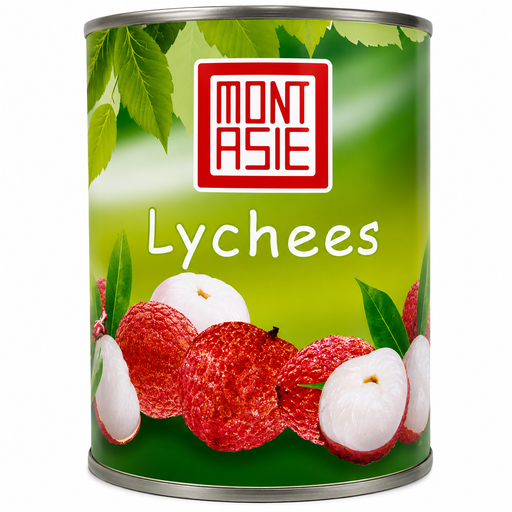 Image unavailable
MONT ASIE lychees in syrup, 567 g
Consider these if you’d rather serve lychees than a mix of fruit. To work out portion sizes, check the drained net weight and storage instructions after opening on the pack.
View on Joybuy
Frequently asked questions
Which fruit in syrup should I choose to decorate coffee and mini desserts?
Choose a shape that will stand out against the size of your dessert. Carrefour lists whole St Mamet sweet cherries, while Auchan lists pitted Beyer sour cherries. Check whether the product you’re serving contains stones; if you’re after a fruity portion instead, consider fruit halves or a fruit cocktail.
Does ‘no added sugar’ mean ‘sugar-free’?
No. Carrefour explains that its St Mamet fruit cocktail in individual pots, labelled ‘no added sugar’, contains naturally occurring sugars. Check the ingredients and the ‘of which sugars’ figure per 100 g for the product you choose.
How should I store fruit in syrup after opening?
Follow the instructions for the product you’ve bought. For its 840 g tin of peach halves in light syrup, Auchan says to refrigerate the remainder in an airtight container and use it within 2 days. Don’t automatically assume the same guidance applies to another product.
What should I check on the label before serving the fruit?
Check the ingredients, allergens and drained net weight to help plan how much to serve. The DGCCRF specifies that the drained net weight must be shown for foods supplied in a covering liquid, while Service Public Entreprendre reminds businesses that allergens must be listed for processed foods sold loose. If you’re adding biscuits, cream or pastries, check the information for those accompaniments too.


