
Livraison le jour même ou le lendemain

Qualité garantie

Débloquez vos offres de bienvenue: Livraison GRATUITE | Jusqu'à -80 % | 30 jours d'essai gratuits à JoyPlus
Téléchargez l'application
Making homemade lemonade, a cocktail, iced tea or bubble tea might seem straightforward. Yet the choice of a syrup for drinks directly affects the taste, the cost per glass and how easy it is to prepare. From small 25 cl bottles to professional 1-litre formats and sugar-free concentrates, the differences go far beyond the flavour listed on the label.
A few common mistakes keep cropping up:
Start by identifying the liquid you plan to use the syrup with:
The dosage stated on the packaging is always the best starting point. TEISSEIRE vanilla syrup, for example, recommends one part syrup to one part water, with the option to adjust the ratio depending on the recipe. TEISSEIRE Blue Curaçao, on the other hand, suggests one part syrup to seven parts drink. These differences show that comparing bottle sizes alone is pointless – the actual yield matters just as much.
Standard syrups are generally high in sugar. For reference, TEISSEIRE Vanilla Syrup contains 80 g of sugar per 100 ml, as does TEISSEIRE Caramel Syrup. Something to bear in mind if you're making several glasses a day or watching the cost per serving.
A sugar-free syrup or a sugar-free concentrate may suit different drinking habits. The SodaStream Citrus Sugar-Free variety pack is advertised with 0 sugar and a yield of up to 9 litres per 440 ml bottle, meaning up to 54 litres for the set of six bottles. However, do check the full ingredients list and the information on the packaging.
In particular, look at:
A small 25 cl bottle of fruit syrup lets you try an unusual flavour without cluttering up the cupboard. A 70 cl or 1-litre format is better value for a household that regularly makes drinks, or for a café, bar or restaurant.
Storage conditions can change after opening. Some syrups need to be kept in the fridge and used within a specific timeframe. MONIN ginger concentrate, for example, recommends refrigeration after opening and consumption within three months. Always check the label on the product you buy, especially if the bottle is likely to sit in a cupboard for several weeks.
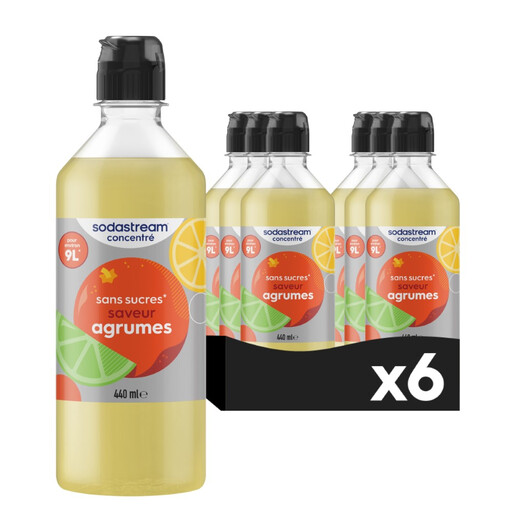
Why this choice suits this profile: the pack of six bottles lets you make fizzy drinks at home while easily controlling the dose. The stated yield is 54 litres in total, which helps you work out the exact cost per glass.
The size and yield are clearly stated. This makes it much easier to estimate the number of glasses than with a bottle whose capacity tells you nothing about the actual dilution.
A sugar-free citrus concentrate, 440 ml bottles, a drip-free cap and bottles made from recycled plastic, according to the product listing.
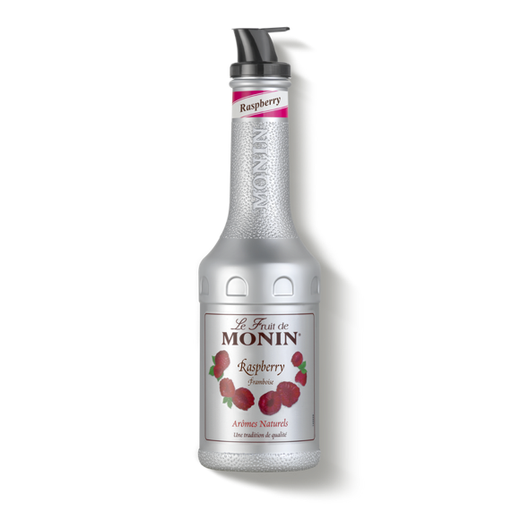
Why this choice suits this profile: this raspberry purée in a 1-litre format is aimed at recipes where texture and the presence of the fruit matter as much as the flavour – particularly cocktails, desserts and elaborate drinks.
The listing states the equivalent of 50.1% raspberry purée. A useful benchmark for distinguishing it from a simple flavoured syrup.
A 1-litre format, a concentrated purée, pectin and refrigeration after opening, with a three-month shelf life according to the information provided.
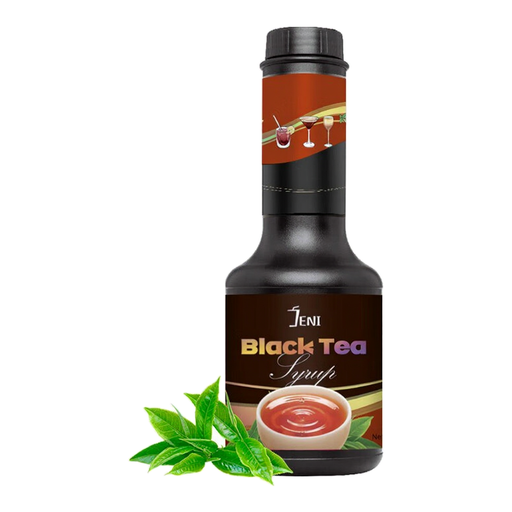
Why this choice suits this profile: with its 600 g size and compatibility with both hot and cold drinks, this syrup is ideal for households that enjoy making bubble tea or for establishments that switch between recipes.
The listing details a base of sugar, water and black tea extract, with instant dissolution claimed in both hot and cold liquids.
A black tea flavour, a 600 g format and no artificial colourings or preservatives, according to the product information.
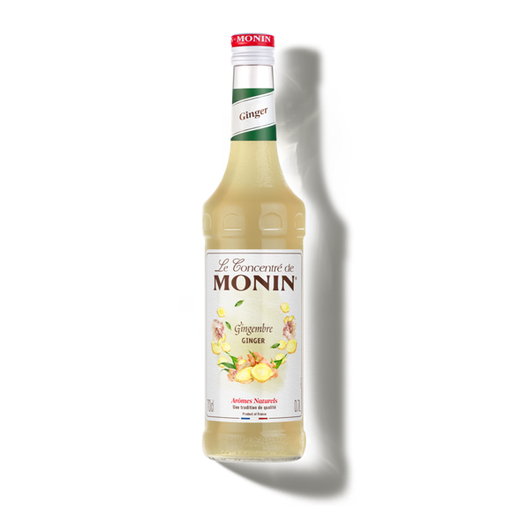
Why this choice suits this profile: this ginger and lemon syrup fits perfectly into a mocktail, cocktail, homemade soda or any recipe where you want to add a spicy kick.
The ingredients list mentions 39% ginger juice as well as lemon juice. A level of detail far more informative than a simple flavour name.
A 70 cl bottle, 25.9 g of sugar per 100 ml according to the listing, and refrigeration after opening.
We've selected a full range, regularly updated, of products that meet these exacting criteria, while complying with European safety regulations.
For a consistent taste, it's better to use a measure than to pour the syrup straight into the glass. Mix it first with a small amount of liquid, then add the water, tea, coffee or ice. This will help prevent sediment at the bottom of the glass and make it easier to repeat the same recipe.
After opening, store the bottle in a clean, dry place away from heat, unless stated otherwise. Products containing juice, purée or other delicate ingredients may need to be refrigerated. Also check the best-before date and screw the cap back on tightly after each use.
There's no universal dosage. Start with the manufacturer's recommendation, then adjust according to the acidity of the juice, the amount of ice and the type of alcohol or non-alcoholic drink you're using. Adding gradually will stop you ending up with a glass that's too sweet.
It all depends on the ingredients and the brand's instructions. Some syrups need to be kept cool and consumed within three to six months. The date on the packaging and the storage instructions for the product you've bought should always take priority.
A bubble tea syrup needs to mix easily into a cold drink and provide a strong enough flavour. JENI black tea syrup can serve as a base, while a tropical fruit, vanilla or caramel syrup will complete the recipe. However, keep an eye on the total sugar content before adding the tapioca pearls and other ingredients.