Who these options are for
Before choosing a new hob, take stock of the cookware you use and check the constraints in your kitchen. These two checks can influence your choice just as much as the number of cooking zones.
Households keen to keep their pans
If you’re replacing a hob but don’t want to replace all your frying pans and casserole dishes, check the base of each piece you rely on. UFC-Que Choisir points out that cookware without a ferromagnetic base won’t activate an induction zone.
People who cook with large pans
If you often use a casserole dish, a large pan or several pans at once, compare the size and layout of the cooking zones. Flexible zones available on some models may be useful for larger cookware.
Households replacing a built-in hob
An existing cut-out in your worktop limits the models you can choose from. Compare the fitting dimensions and installation requirements of your chosen model with your kitchen, rather than relying on its stated width alone.
What to consider when choosing
When switching to induction, first check your cookware, then consider which cooking zones you actually need and whether the hob will fit your kitchen. If keeping cookware that isn’t compatible is a deal-breaker, compare other technologies that could work in your kitchen too.
Induction hob
Consider it if: the cookware you’re keeping has a ferromagnetic base and the cooking zones suit the way you usually cook.
Bear in mind: incompatible cookware won’t activate a zone. You’ll also need to check the installation requirements for the specific model.
Combined induction and gas hob
Consider it if: you want to keep a gas burner for certain types of cooking or for cookware that isn’t suitable for induction.
Bear in mind: the installation and maintenance requirements of both technologies. Check these for the model you choose.
Ceramic hob
Consider it if: the ferromagnetic base required for induction is the main reason you can’t keep your current cookware.
Bear in mind: it uses a different heating technology. Check that your cookware is suitable and review the installation requirements for the model you choose.
| Criterion |
What to check |
Who it’s for |
| Cookware compatibility |
Look for an induction symbol or check whether a magnet sticks to the base of the cookware you want to keep. Identify any pieces you may need to replace. |
I want to keep the pans I use regularly and replace only the sizes I need; around 36% of consumers would make compatibility their top priority. |
| Number and size of cooking zones |
Compare the size of the zones with your cookware and count how many dishes you cook at the same time. Check whether a flexible zone would be useful. |
When I’m making several dishes or using a large casserole dish, I need zones that suit the way I cook; around 29% of consumers would prioritise cooking capacity. |
| Fitting and installation |
Compare the existing cut-out with the fitting diagram and check the electrical requirements in the manual for the exact model. |
My new hob needs to fit a worktop that’s already been cut; around 21% of consumers would make fitting their top criterion. |
| Choice of technology |
Work out which cookware and cooking habits call for an induction, combined or ceramic hob. Then check the usage and installation requirements for each model. |
I want to keep cooking in ways that aren’t possible on my induction zones; around 14% of consumers would prioritise their choice of technology. |
Brands to consider by model
The configurations below highlight features to compare on specific models. A feature found on one model isn’t necessarily available across the brand’s entire range.
Electrolux
Worth considering if you’re deciding between separate cooking zones and a flexible layout.
- Electrolux lists the EIV64453 with four cooking zones and flexible zones, and the EIS62356IZ with three zones and a Bridge function.
- Check the fitting dimensions and manual for the model you choose: these configurations aren’t available across the entire range.
Bosch
A brand to compare if you use large cookware and are looking for a flexible zone.
- Bosch describes the PXE831HC1E as having a FlexInduction zone designed to accommodate different sizes of saucepans and frying pans.
- Check the size of the zones and the fitting dimensions for the specific model before deciding whether this configuration suits your cookware.
Siemens
A model to look at if being able to adapt a zone to your cookware matters to you.
- Siemens lists the EX675HXC1E with a flexInduction zone.
- This feature doesn’t remove the need to check the dimensions, power requirements and installation instructions for this model against your kitchen.
Whirlpool
A brand to consider if you’re looking at a wider hob with several cooking zones.
- Whirlpool describes the WLB2977NE as a 77 cm hob with four cooking zones, including a FlexiCook zone.
- Check that its size and electrical requirements suit your existing space and installation; they don’t indicate what other Whirlpool models offer.
Products for different needs
These products let you compare two induction hobs, a ceramic hob if you want to keep cookware that isn’t suitable for induction, and two pans for a targeted replacement. First choose the technology and size that suit the way you cook, then check the details for each product.
 Image unavailable
TOPWISH, 60 cm built-in induction hob, 4 zones
Worth considering if you use up to four pans at once and want to switch to induction.
The title lists a Boost function, timer, child lock, touch controls and residual heat indicator.
Check that your cookware is compatible and confirm the cut-out required. Before installation, ask for confirmation of the connection requirements that apply to this model.
View on Joybuy
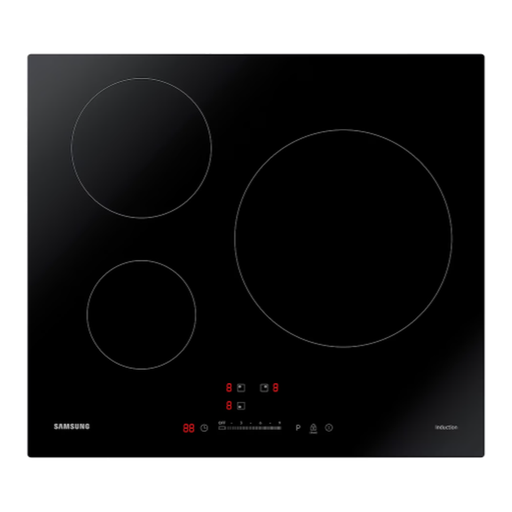 Image unavailable
Samsung NZ63M3707AK, 3-zone induction hob
Worth considering if three cooking zones match the number of pans you usually use at the same time.
The title lists a power rating of 7 200 W. Also compare the size of the zones with the bases of your pans.
Before replacing a built-in hob, compare the existing cut-out and electrical installation with the manual for this model.
View on Joybuy
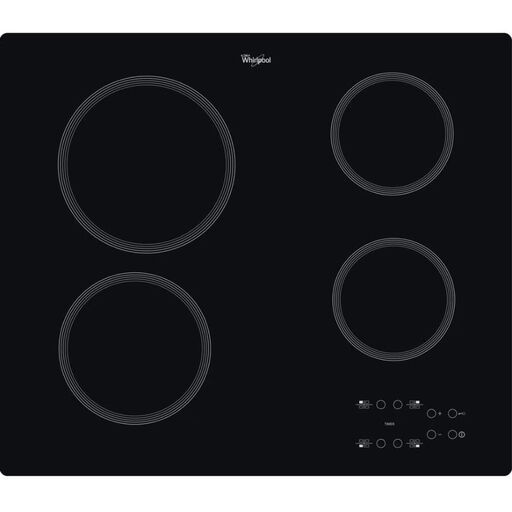 Image unavailable
Whirlpool AKT 801-NE, 4-zone ceramic hob
Worth comparing if you’re looking for an alternative to induction so you can keep certain pans; this is not an induction hob.
The title lists four cooking zones. Check that your cookware is suitable for this model.
Before choosing it, compare the model’s fitting dimensions and electrical requirements with your installation.
View on Joybuy
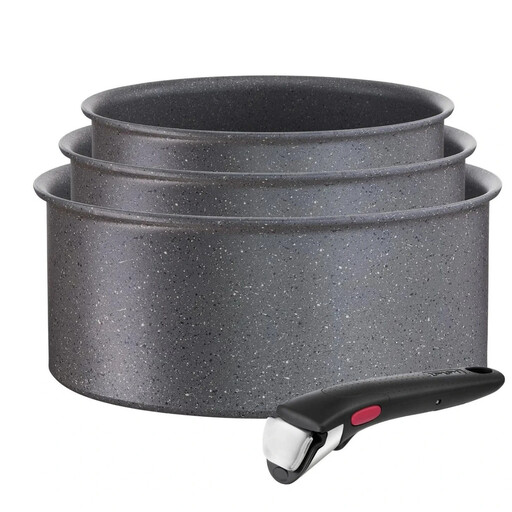 Image unavailable
TEFAL Ingenio Natural Force Induction, 16 cm saucepan
Worth considering if you need to replace a small pan you often use on an induction hob.
The title describes a 16 cm saucepan with a removable handle and states that it’s compatible with induction hobs.
Check exactly what’s included before choosing this size: the information about the number of pieces doesn’t match.
View on Joybuy
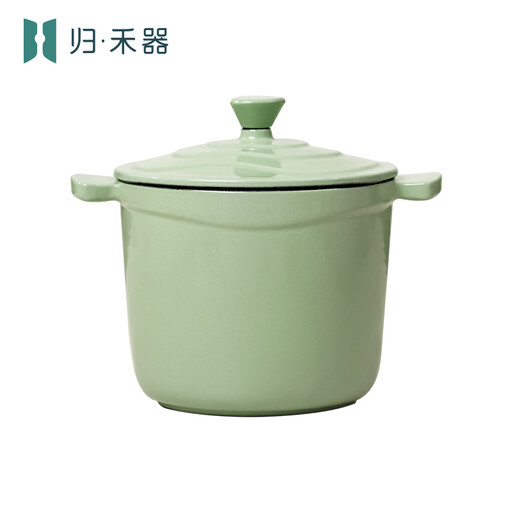 Image unavailable
Guihe, small enamelled cast-iron saucepan, 14 cm, 1.3 L
Worth considering if you need to replace a small pan rather than a large saucepan.
The title lists a 14 cm diameter and 1.3 L capacity, and states that it’s compatible with induction hobs.
Compare this size with the pan you’re replacing, particularly if you cook several portions at a time.
View on Joybuy
Frequently asked questions
How can I tell if my pans will work on an induction hob?
Their bases must be ferromagnetic: according to UFC-Que Choisir, a pan without this type of base won’t activate the hob. Check for an induction symbol or see whether a magnet sticks to the base of each pan you want to keep.
Are three cooking zones enough, or should I choose four?
Choose based on how many pans you use at the same time and how much space each one needs. If you cook with large pans, check the size of the zones and whether there’s a flexible zone too, rather than relying on the number of zones alone.
What should I measure before replacing a built-in hob?
Measure the existing cut-out and compare it with the fitting dimensions listed for the model you’ve chosen, not just its overall width. Also check the manual for other installation requirements. If the electrical installation needs to be modified, ask a qualified professional to assess it.
Can a ceramic hob let me keep cookware that isn’t compatible with induction?
It may be an alternative worth comparing, as it doesn’t require the ferromagnetic base needed for induction. However, check that your cookware is suitable for the ceramic model you’re considering, along with its dimensions and installation requirements.


