For sharing in the evening
A mixed box is easy to put out for everyone to help themselves. HARIBO, for example, describes its Happy Box as a sharing box. However, always check the ingredients and allergens in the box you choose.


If you’re sharing several kinds of sweets during a late-night get-together, choose a box of assorted sweets. If presentation or a selection of chocolates matters more, consider a chocolate box instead. In either case, compare the sugars per 100 g and check the ingredients and allergens for the exact product: the format doesn’t tell you how much each person will eat.
A mixed box is easy to put out for everyone to help themselves. HARIBO, for example, describes its Happy Box as a sharing box. However, always check the ingredients and allergens in the box you choose.
A chocolate box may be just right if you’re looking for a selection of chocolates in attractive packaging. Carrefour.fr, for example, describes a Chevaliers d’Argouges box containing dark and milk chocolates. Check its ingredients if milk or soya is a concern for the recipient.
If sugars or particular ingredients influence your choice, start with the nutrition information per 100 g and the ingredients list. In France, the DGCCRF states that nutrition declarations are mandatory for relevant prepacked foods, while Nutri-Score is voluntary.
First decide whether you’re looking to share, give a gift or choose a recipe that meets your requirements. Then compare the labels of the products you’re considering.
| Criteria | What to check | Who is it for? |
|---|---|---|
| Sugars and labelling | Compare the sugars and other nutritional values on the same 100 g basis. Check the Nutri-Score if it’s shown, but don’t draw any conclusions if it isn’t. | If I want to compare two products in different formats, the sugars per 100 g give me a common basis. Around 42% of consumers put this comparison first. |
| Sharing or gifting | Check the net weight, the type of assortment and, if stated, the number of pieces. | For an evening with others, I look for a box to put on the table; as a gift, I sometimes prefer a clearly labelled box of chocolates. The format is the top priority for around 33% of consumers. |
| Ingredients and allergens | Read the ingredients list, any highlighted allergens and any ‘may contain’ statements for the exact product. | If an ingredient isn’t suitable for my diet or a guest’s, knowing that another recipe from the same brand is suitable isn’t enough. Around 25% of consumers prioritise this compatibility above all else. |
According to the DGCCRF, Nutri-Score is voluntary in France. Its absence doesn’t replace the need to read the nutrition declaration on relevant prepacked foods.
Compare the values per 100 g and the ingredients list. Use the logo as additional information when it appears on the packaging.
A sharing box shows the total quantity, not how much each person will have during the evening.
If you want to keep track of how much is eaten, serve the sweets separately before you start and check the sugars per 100 g.
Products can differ. HARIBO, for example, says Dragibus Soft is suitable for vegetarians, while the ingredients in its Happy Box include gelatine. Ingredients and ‘may contain’ statements also vary between sweets and chocolates.
Read the packaging of the specific product you’re buying, particularly if milk, soya, wheat or nuts need to be taken into account.
A mixed box of sweets, an assortment of chocolates and a chocolate bar don’t meet the same needs when it comes to presentation or sharing.
Check the exact category and contents before comparing formats.
The range includes individually sold sweets and a Happy Box, which HARIBO describes as a sharing box.
Carrefour.fr describes a 140 g box of dark and milk chocolates with a soft caramel centre.
The product described by Carrefour.fr is a 90% cocoa organic dark chocolate bar, not an assorted gift box.
These products include an assortment in a box, chocolates in multipacks and chocolate bars. Choose the format that suits your evening: a bar or a multipack of bars isn’t the same as an assorted box of chocolates.
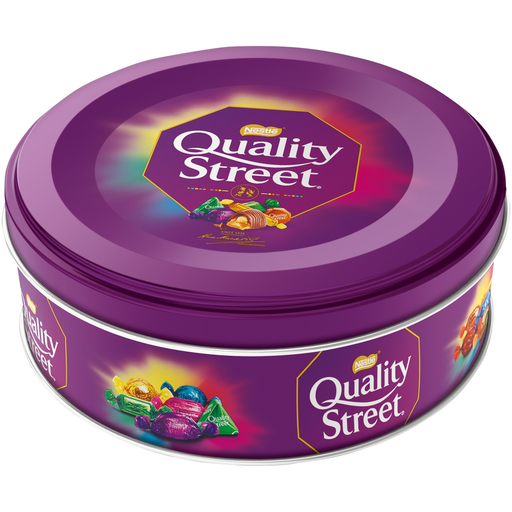 Image unavailable
A box of assorted sweets to consider if several people want to share. The total weight of 400 g isn’t an individual portion, so check the sugars per 100 g and the allergens listed for this product.
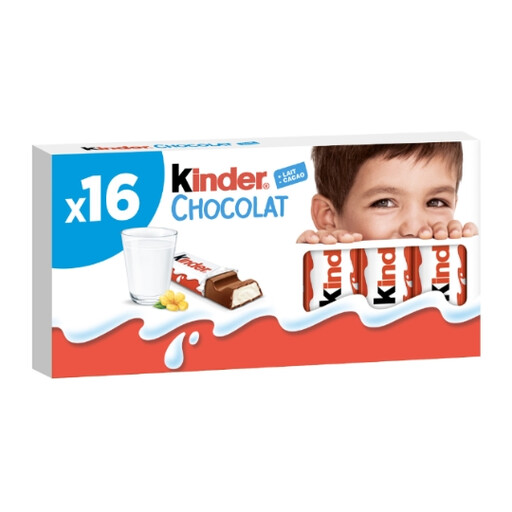 Image unavailable
This multipack is a good choice if you’re looking for individually wrapped chocolates rather than an assortment in a gift box. If milk or soya is a concern, check the ingredients for this product before buying.
 Image unavailable
Three milk chocolate bars may suit you if you want to spread the product over several occasions, rather than looking for an assorted gift box. The recipe includes milk, almonds and soya, among other ingredients. Check the ingredients list if any of these matter to you.
 Image unavailable
This bar is a good choice if you’re looking for dark chocolate with 85% cocoa, but not if you need an assortment to give as a gift. To compare it with other formats, check the nutrition information per 100 g and the ingredients list for this product.
 Image unavailable
This gianduja bar is another chocolate option, without the presentation of a gift box. Despite ‘Sugar-Free’ in its product name, check sugars and polyols separately on the label. The product information also warns that excessive consumption of maltitol may have a laxative effect. Check whether it contains milk and for any ‘may contain’ statements about nuts.
No. The DGCCRF states that displaying it is voluntary, whereas nutrition declarations are mandatory for relevant prepacked foods. So the absence of a Nutri-Score isn’t enough on its own to judge a product.
Check the net quantity, ingredients list, any highlighted allergens and the nutritional values. The DGCCRF also states that the product will have either a best-before date or a use-by date, depending on the product. Follow the instructions on the packaging of the product you’ve bought.
First compare their nutritional values on the same 100 g basis, particularly the sugars, then compare their ingredients according to your needs. According to the DGCCRF, Nutri-Score is voluntary, so its absence from one pack doesn’t count as a comparison result.
Yes. Ingredients vary by product. For example, the Happy Box described by HARIBO may contain traces of wheat and milk, while the Chevaliers d’Argouges chocolate box described by Carrefour.fr includes milk and soya. Always read the packaging for the specific product.
No. The description ‘dark chocolate’ alone isn’t enough to draw that conclusion. Carrefour.fr lists 9 g of added sugars per 100 g for a Carrefour Bio 90% cocoa bar, but this doesn’t tell you about all dark chocolates or the sugar content of another chocolate box. Compare the ‘sugars’ values for the products you’re considering.