
Livraison le jour même ou le lendemain

Qualité garantie

Débloquez vos offres de bienvenue: Livraison GRATUITE | Jusqu'à -80 % | 30 jours d'essai gratuits à JoyPlus
Téléchargez l'application
Buying sweets and chewing gum online is a great way to discover original flavours, family-sized packs and specialities from France, Japan and beyond. But the packaging doesn't always tell the full story: a "fruity" sweet isn't necessarily low in sugar, a "sugar-free" product often contains polyols, and a compact bag can hold far fewer sweets than it appears to.
To avoid any unwelcome surprises, here are the key factors to consider before choosing sugar-free sweets, fruit gums, fruit gummies or peppermint chewing gum.
Sugar-free chewing gum and sweets are usually sweetened with sorbitol, maltitol, isomalt or xylitol. These ingredients replace sugar, but they don't make the confectionery light or suitable for every diet.
So it's worth checking the nutritional table. Some products have a high polyol content and state that excessive consumption may have a laxative effect. This warning isn't trivial, especially if you plan to share a large bag with others.
A strawberry, peach, grape or apple flavour can come from flavourings, fruit juice concentrates, or a combination of both. Amos 4D gummy sweets, for example, mention strawberry or peach juice concentrate, while also containing glucose syrup and sugar.
The presence of juice or plant extract doesn't make a sweet the equivalent of fresh fruit. It's first and foremost a sugary treat, to be enjoyed according to your cravings and usual consumption.
A chewy gum, a jelly sweet and a hard boiled sweet are not used in the same way. For a birthday party or an afternoon snack, a large sharing bag is more practical than a small individual box. In a bag or desk drawer, individually wrapped portions prevent drying out and are easier to carry.
Also remember to check the allergens, whether gelatine is present, the product's origin and its storage conditions. If you're looking for vegan sweets, make sure the recipe doesn't contain animal gelatine and check the information on the packaging.
In France, the ingredients list and allergens must be shown on the packaging or in the product description. Pay particular attention to the following:
As recipes can change, always check the label on the product you receive before eating it, especially if you have an allergy or a specific dietary requirement.
The nutritional value per 100 g makes it easy to compare two products. The information per piece or per bag helps you get an idea of the amount you're actually consuming.
The MELTING SWEET Soft Ginger Gummy Lemon, for example, shows 0 g of sugar per 100 g, but 94 g of carbohydrates, a large part of which comes from sweeteners. In contrast, the Amos strawberry gummies show 50.6 g of sugar per 100 g. This data allows you to make an informed choice, without relying solely on the promises on the front of the pack.
For sharing sweets, go for a generous total weight or a clearly stated number of pieces. At 214 g with its assortment of fruity flavours, the MALABAR Bubble Mix bag is better suited to group consumption than an individual portion.
To keep their texture, store sweets in a cool, dry place, away from heat and moisture. Once the bag is open, seal it carefully or transfer the sweets to an airtight container if the product description recommends it.

Why this product might suit you: A pack of five strawberry chewing gum tubs, handy for dividing into portions at home, at work or in your bag.
The description states a sugar-free recipe with 70 g of polyols per 100 g: the composition is therefore clearer than a simple marketing promise on the front.
Five 14 g tubs, 70 g in total, with a strawberry flavour and no declared allergens in the provided description.
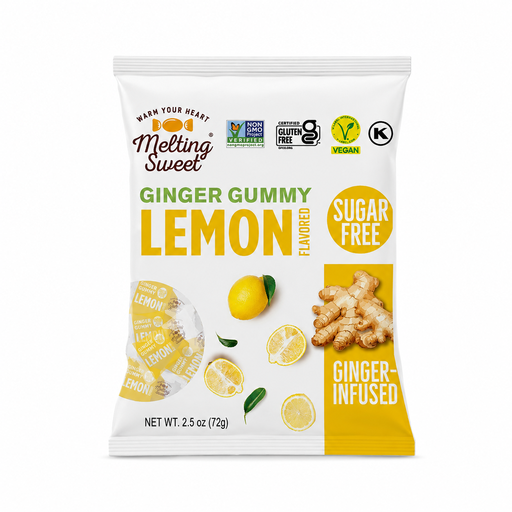
Why this product might suit you: The lemon-ginger duo is a change from the usual strawberry, cola or mint flavours, while the individually wrapped pieces are easy to carry.
The description states the absence of sugar, the presence of 5% ginger and the warning about excessive consumption of polyols.
72 g bag, recipe stated as vegan and gluten-free, with a soft, chewy texture.
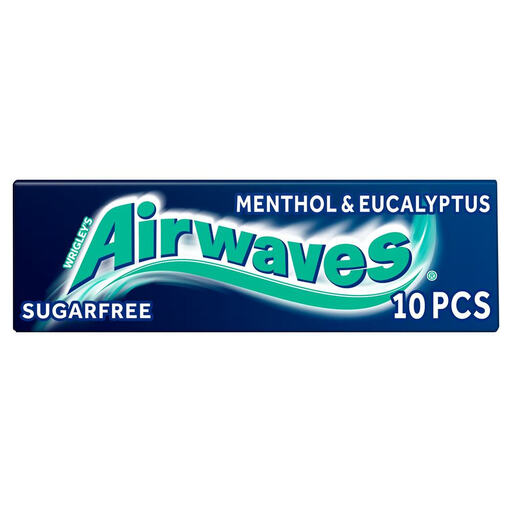
Why this product might suit you: The combination of mint, eucalyptus and menthol delivers a long-lasting, cool sensation, ideal on the go or during a break.
The description details the sweeteners used, including sorbitol, xylitol and aspartame, as well as the presence of phenylalanine.
14 g format, with no sugar stated per 100 g and 62 g of polyols.
Why this product might suit you: Its lasso shape and tangy strawberry flavour fit perfectly into an afternoon snack, a party or a bag of sweets to share.
The format and intended use are clearly stated: the product is ready to eat and designed for parties or surprise bags. However, check the exact weight stated before ordering.
A tangy strawberry flavour, a soft texture and no declared allergens in the provided description.
Browse our updated selection of confectionery, chewing gum and related products to compare formats, flavours and ingredients.
They can meet the needs of people who want to reduce their sugar intake, but they often contain polyols. Check the amount stated per serving and take note of any warning on the packaging. In excessive quantities, these sweeteners can cause digestive issues.
Follow the best-before date on the packet and the manufacturer's recommendations. After opening, seal the bag carefully or transfer the sweets to an airtight container. Heat and moisture can affect the texture of gummies and jelly sweets.
Start by checking the language of the available labelling, the allergens, whether gelatine is present and the format on offer. Products like MORINAGA Hi-Chew grape or green apple and Lotte Doraemon Bubble Gum offer original flavours and presentations, but their recipes and ingredients can differ. Always check the packaging before giving them to children.